
When most people think of Tanzania, their minds immediately jump to the iconic northern circuit: the Serengeti, Ngorongoro Crater, and the spectacle of the Great Migration. For a first safari, that path makes complete sense. This trip, however, took me south to a collection of parks that remain genuinely off the radar - even for seasoned safari travelers - to experience a brand I had been eager to explore for quite some time.
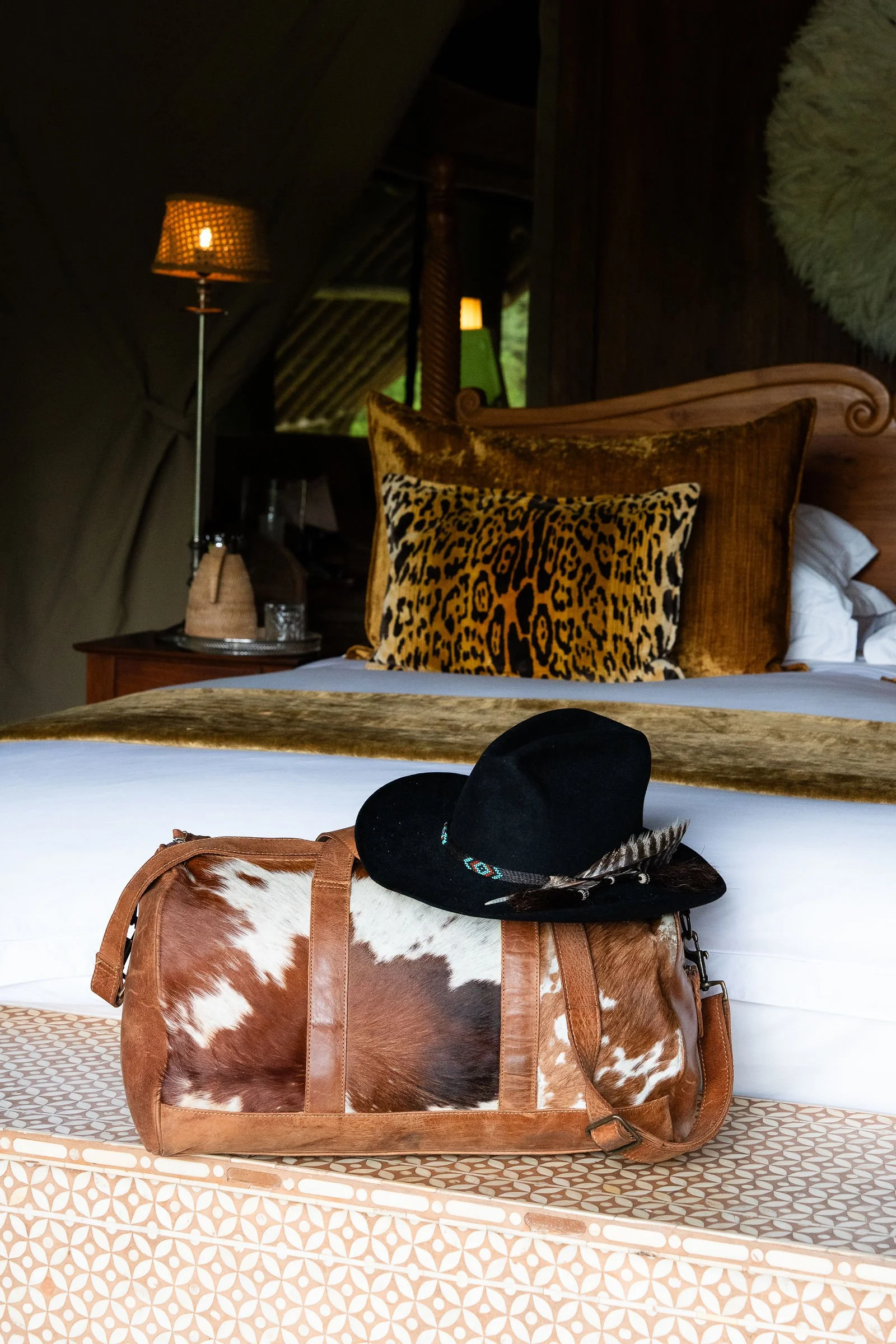
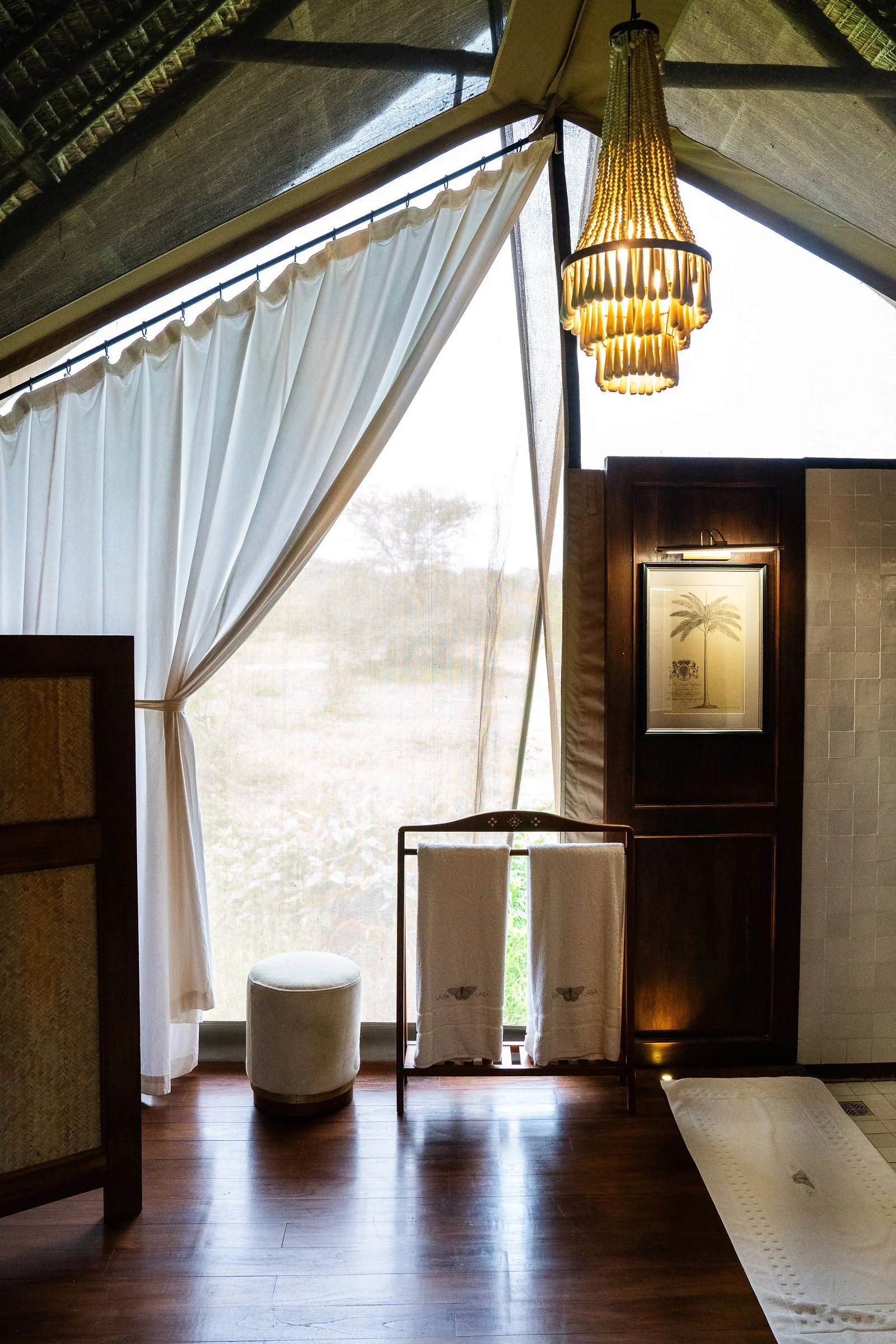
Laba Laba was founded by French entrepreneur Xavier Marie (of Maisons du Monde fame) and his wife Julie, who serves as the creative heart of the entire brand. Designing the interiors, writing the menus, and hand-selecting Maisons du Monde pieces throughout the camps, Julie’s discerning eye and distinct aesthetic are present everywhere you turn. The name itself translates to "butterfly" in Yoruba, signaling a core philosophy centered on light, unstructured living in deep harmony with nature.
Their origin story adds another layer of charm. Laba Laba is the evolution of the long-standing Selous Safari Company, which Xavier and Julie acquired and thoughtfully steered away from a heavy, colonial aesthetic toward an eco-chic, minimalist vision. Not long after taking the helm, COVID hit. Rather than walk away, Xavier spent months living deep in the bush, an isolated period that cemented his conviction in what they were building. The family has since pledged 30% of group profits to conservation and humanitarian initiatives across Tanzania, though it is a quiet commitment they rarely boast about on the ground. Today, the operation remains intimately family-run, with their son managing the island property at Fanjove - a warmth you feel instantly upon arrival.
Before diving into the three properties I visited, it is worth noting a defining element of the Laba Laba experience: the collection is entirely open-air and intentionally free of air conditioning. Rather than viewing this as a compromise, it serves as a natural filter for the kind of experience offered. This collection is designed for the traveler who prefers immersive, off-the-beaten-path authenticity over a sealed, fully climate-controlled suite.
Siwandu, Nyerere National Park
For the Out of Africa purist
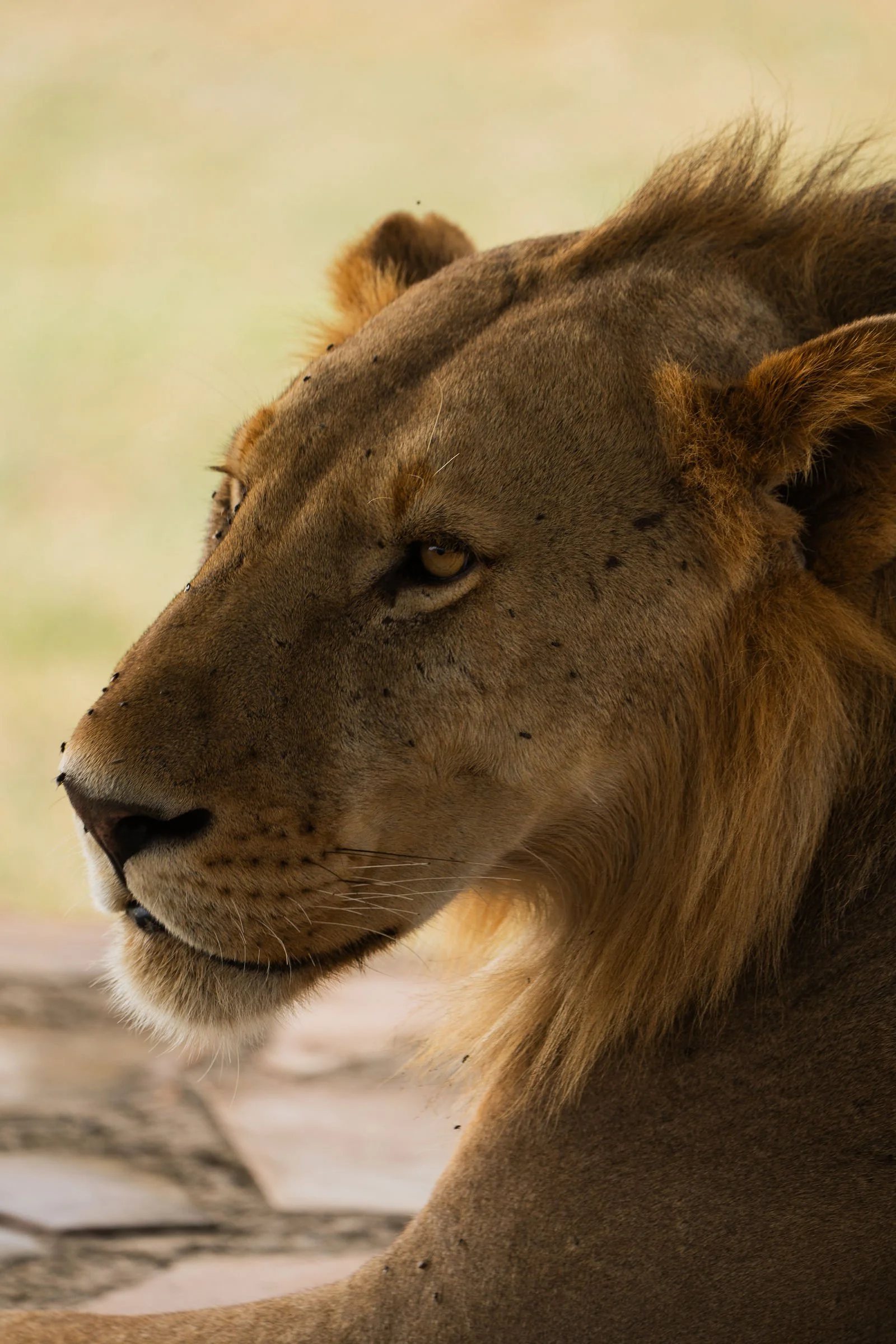
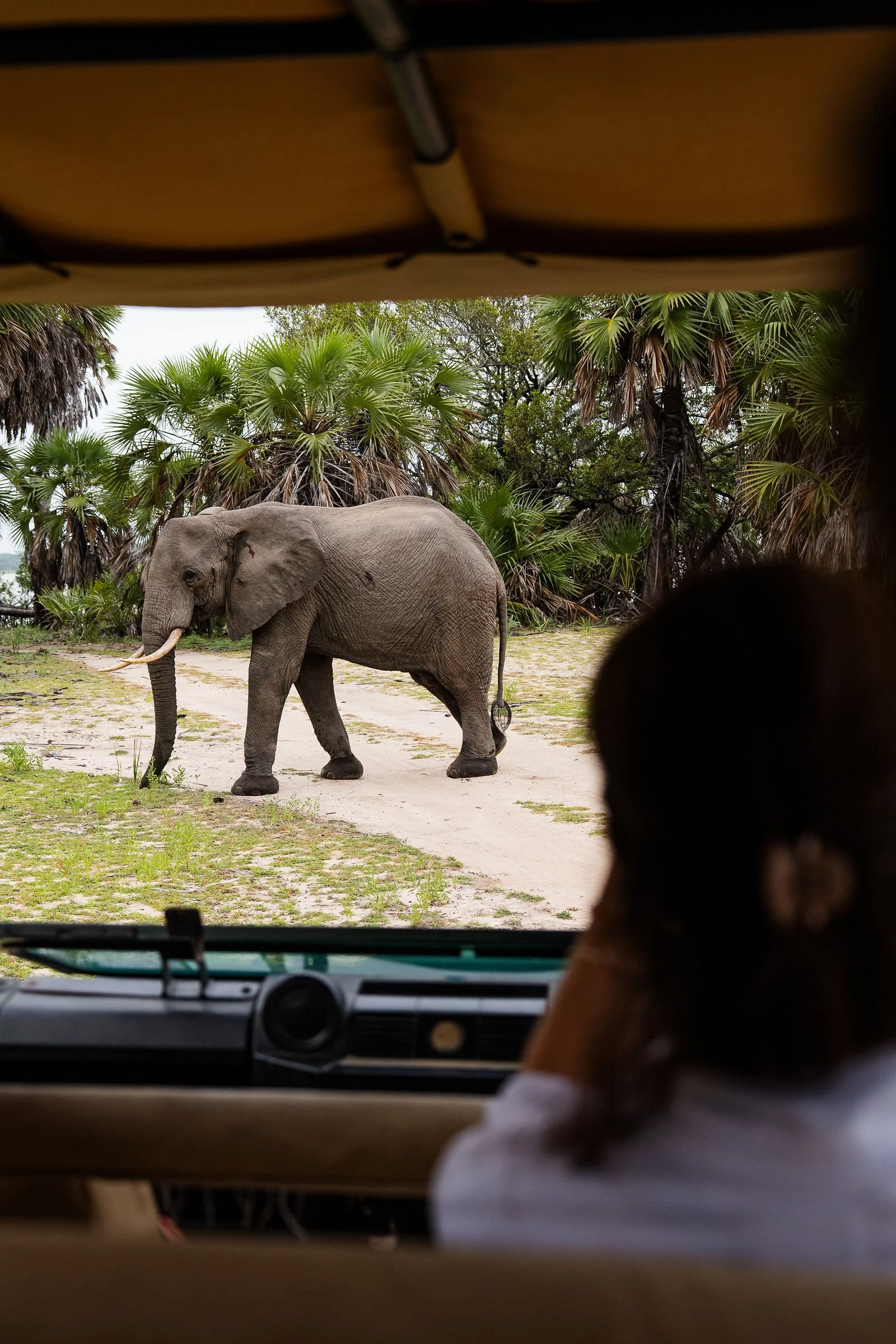
Nyerere National Park is Africa’s largest national park - spanning an area larger than Switzerland when taking in the broader ecosystem - and a UNESCO World Heritage Site. It holds Tanzania’s largest remaining concentration of elephants (roughly a third of the national population) alongside what is believed to be one of the largest lion populations on the continent, yet remarkably remains one of Africa’s least visited parks. You feel that solitude on every single game drive; at Siwandu, our vehicle was routinely the only one in sight.
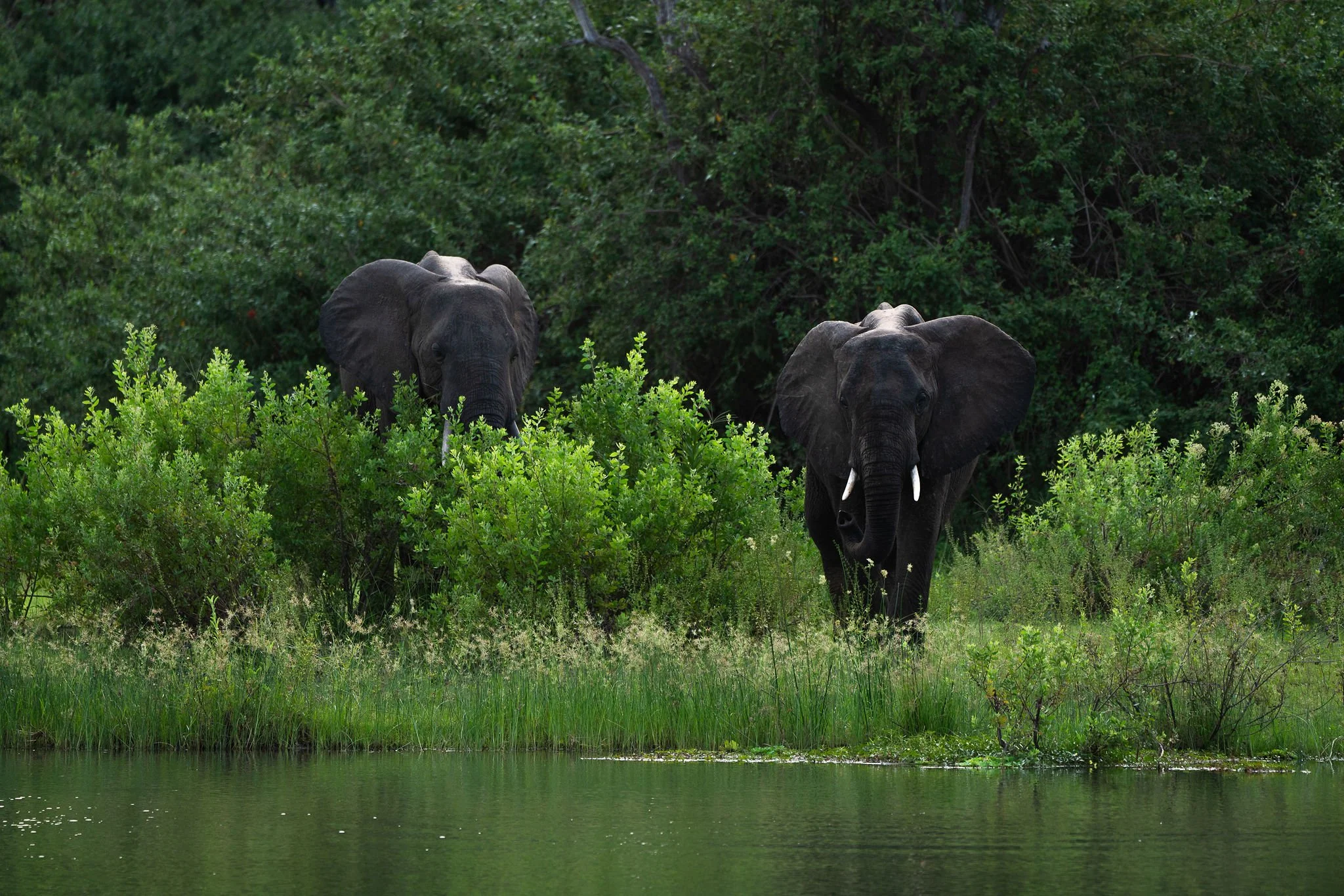
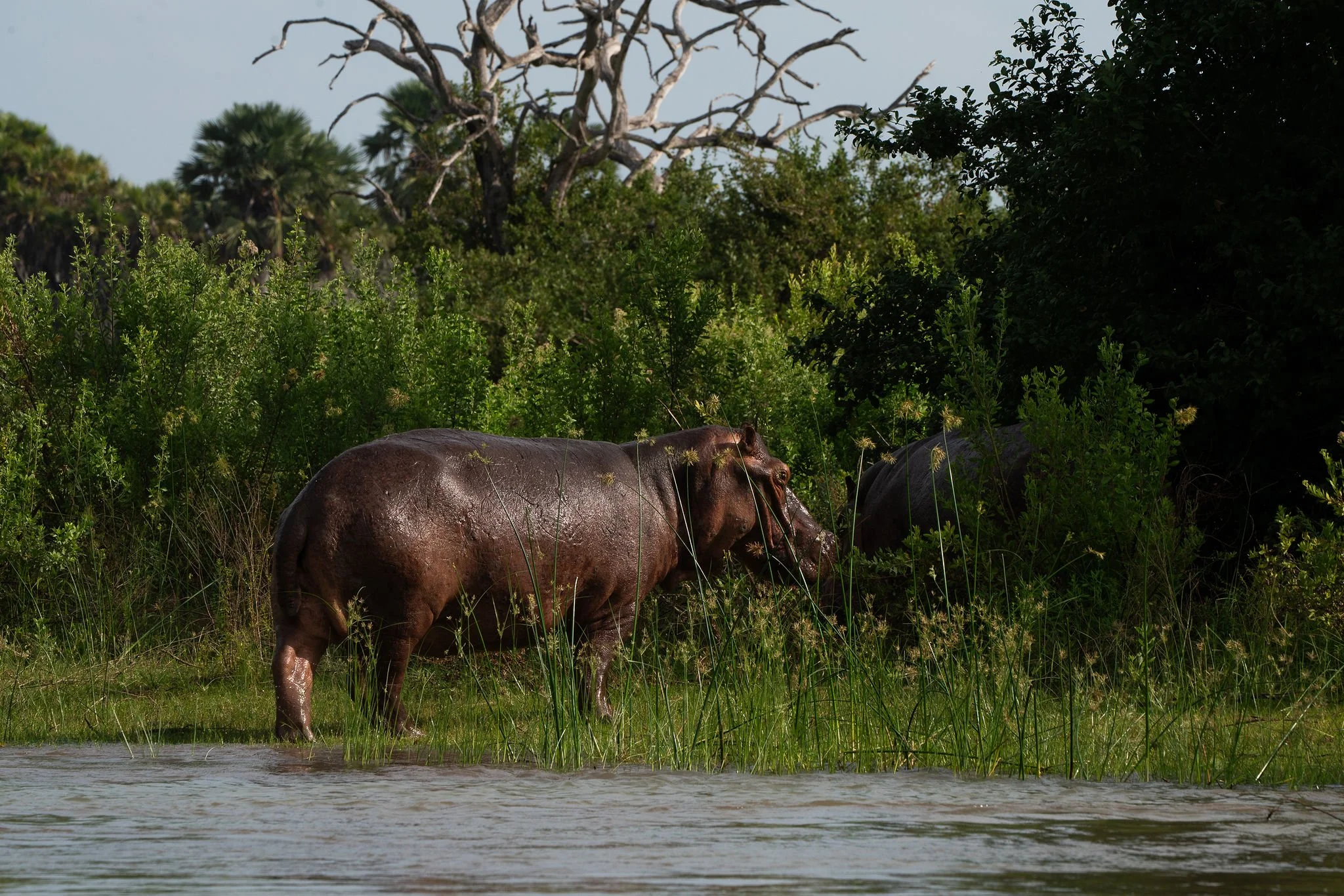
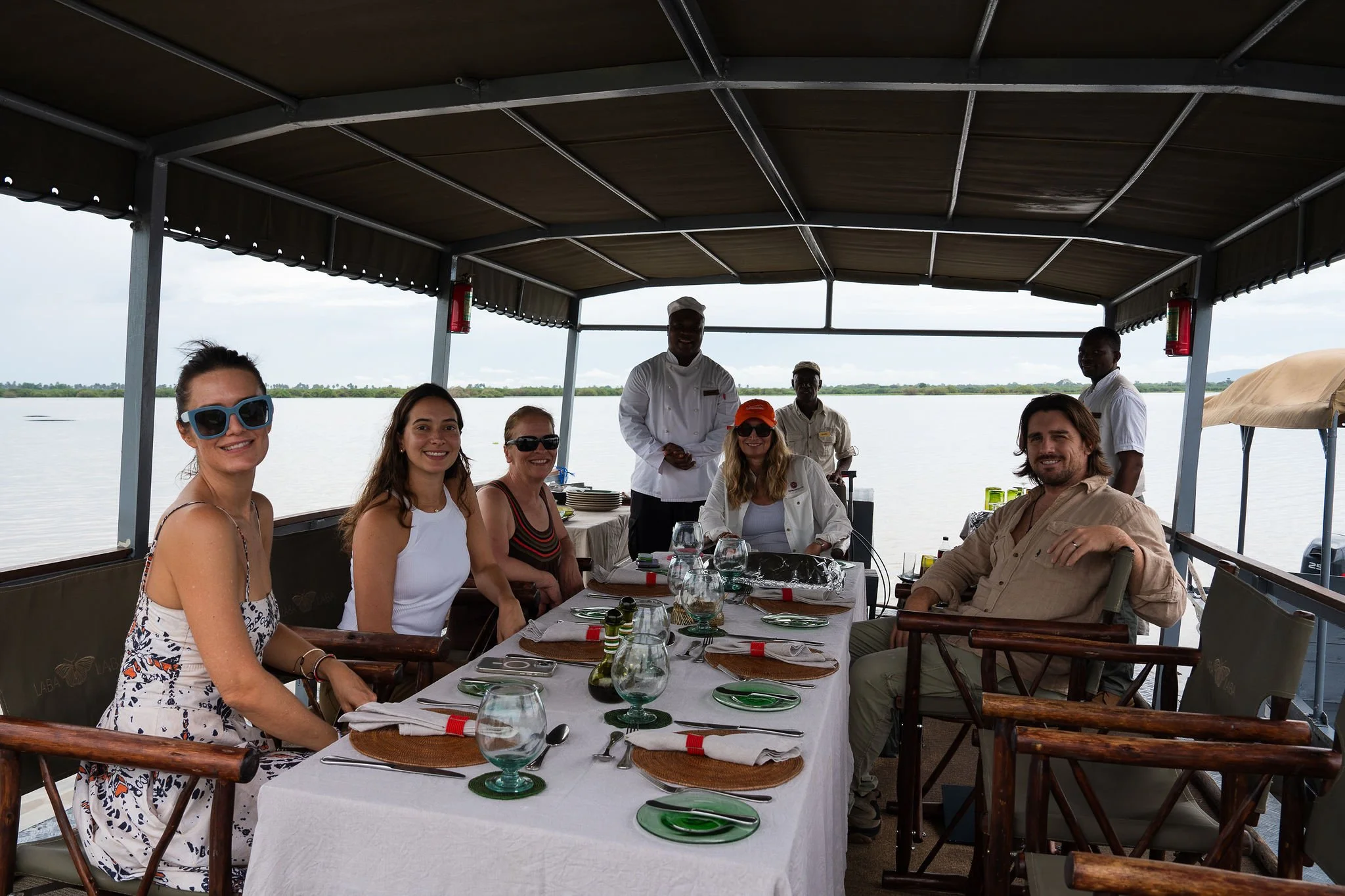
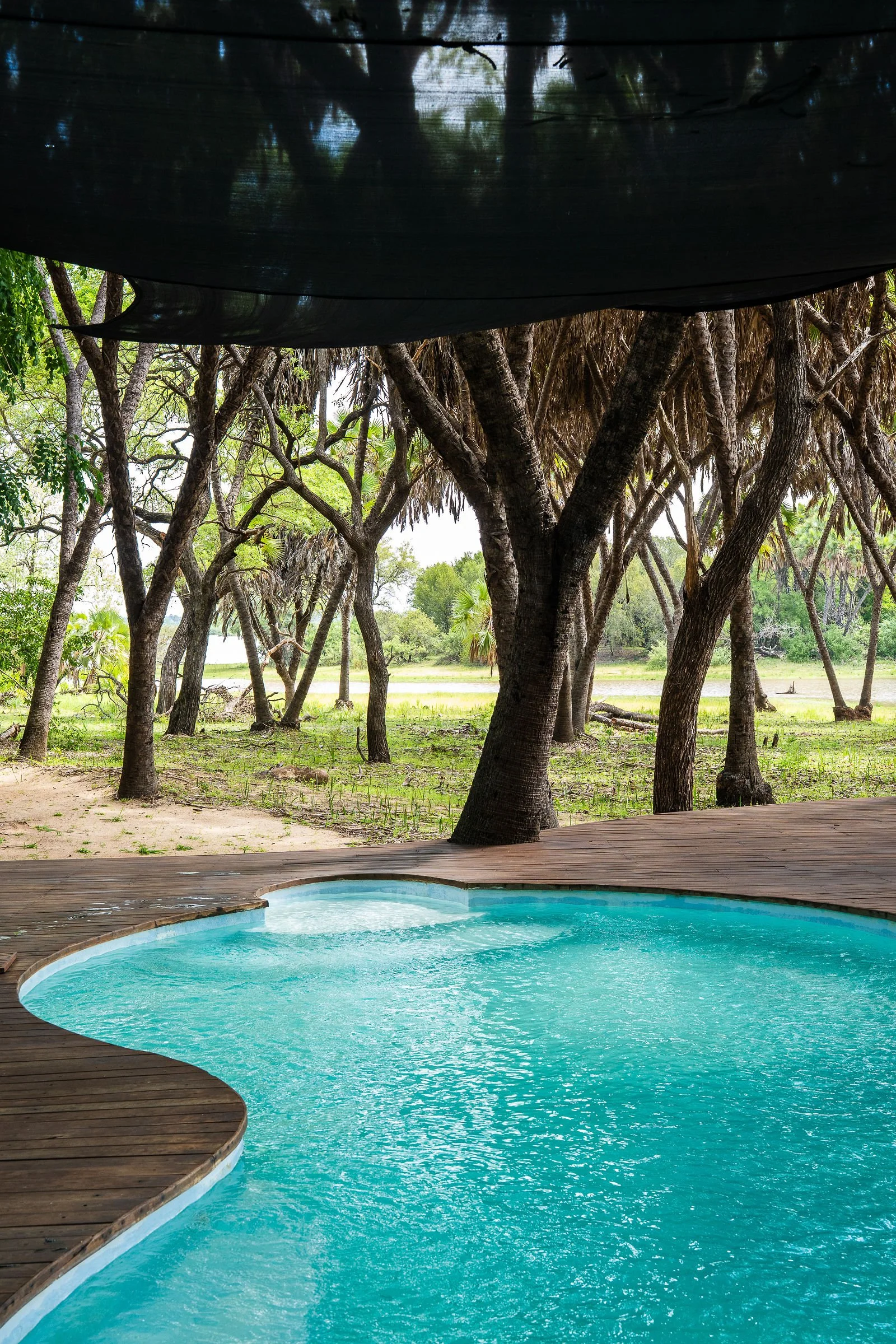
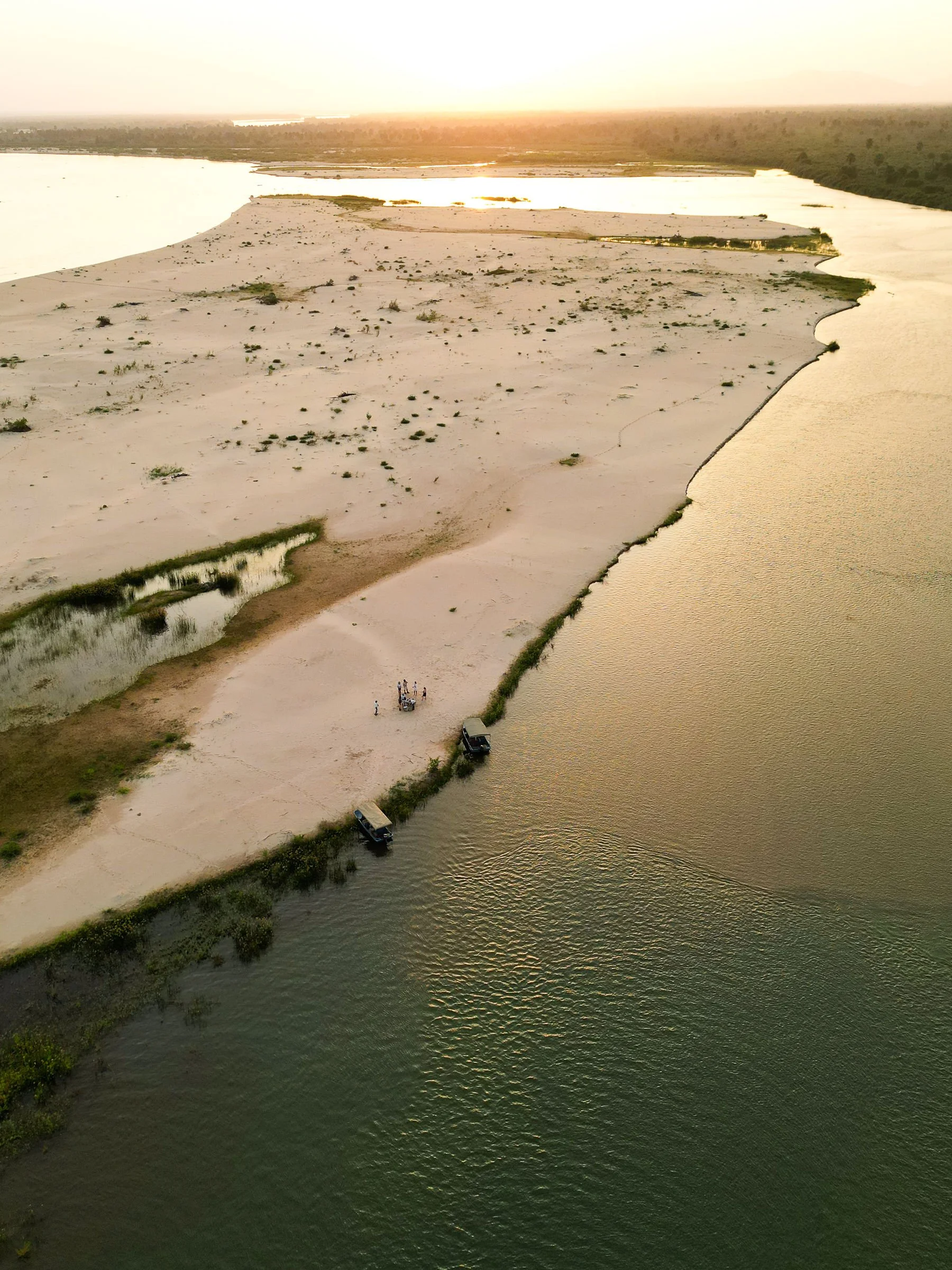
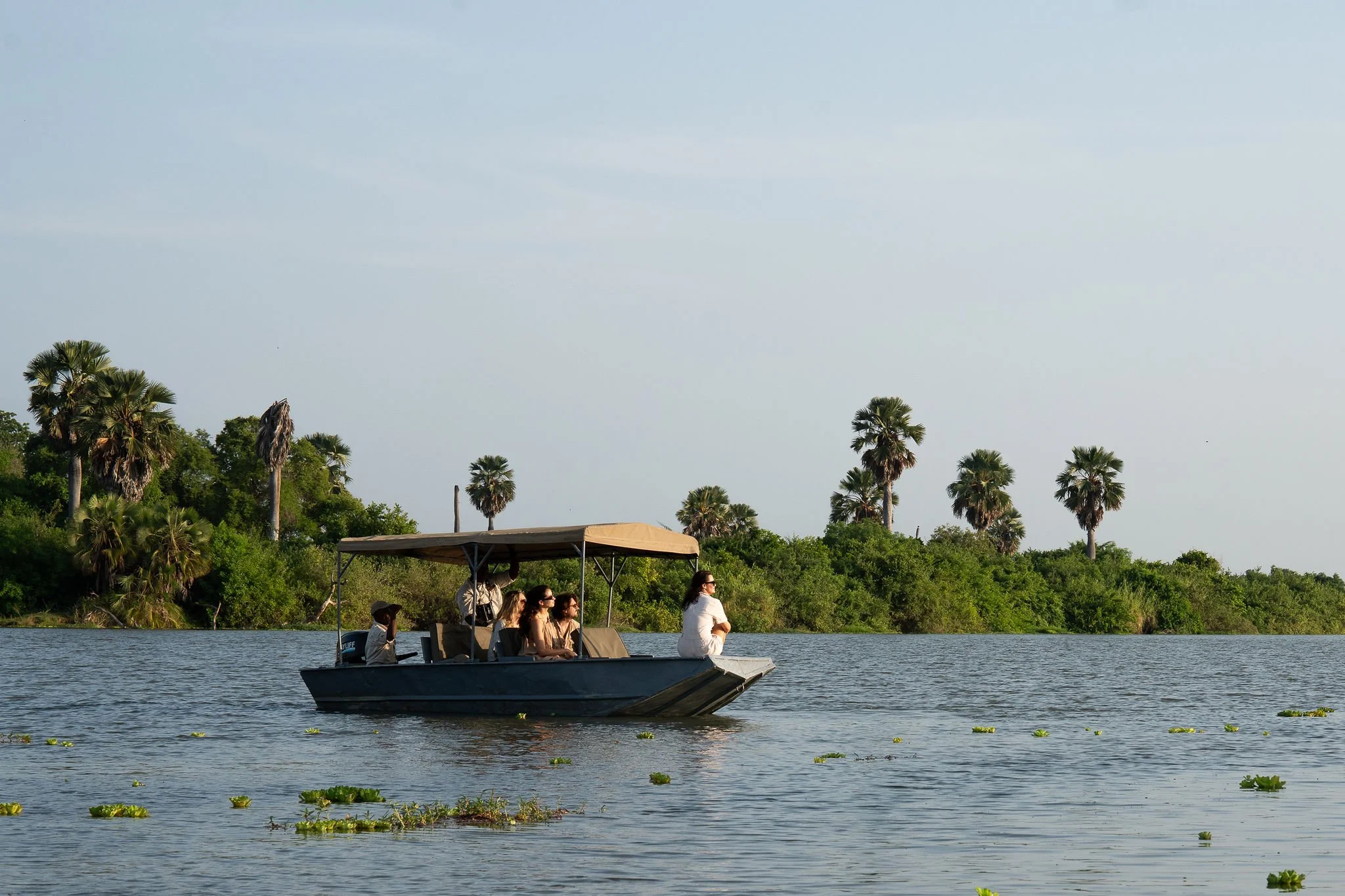
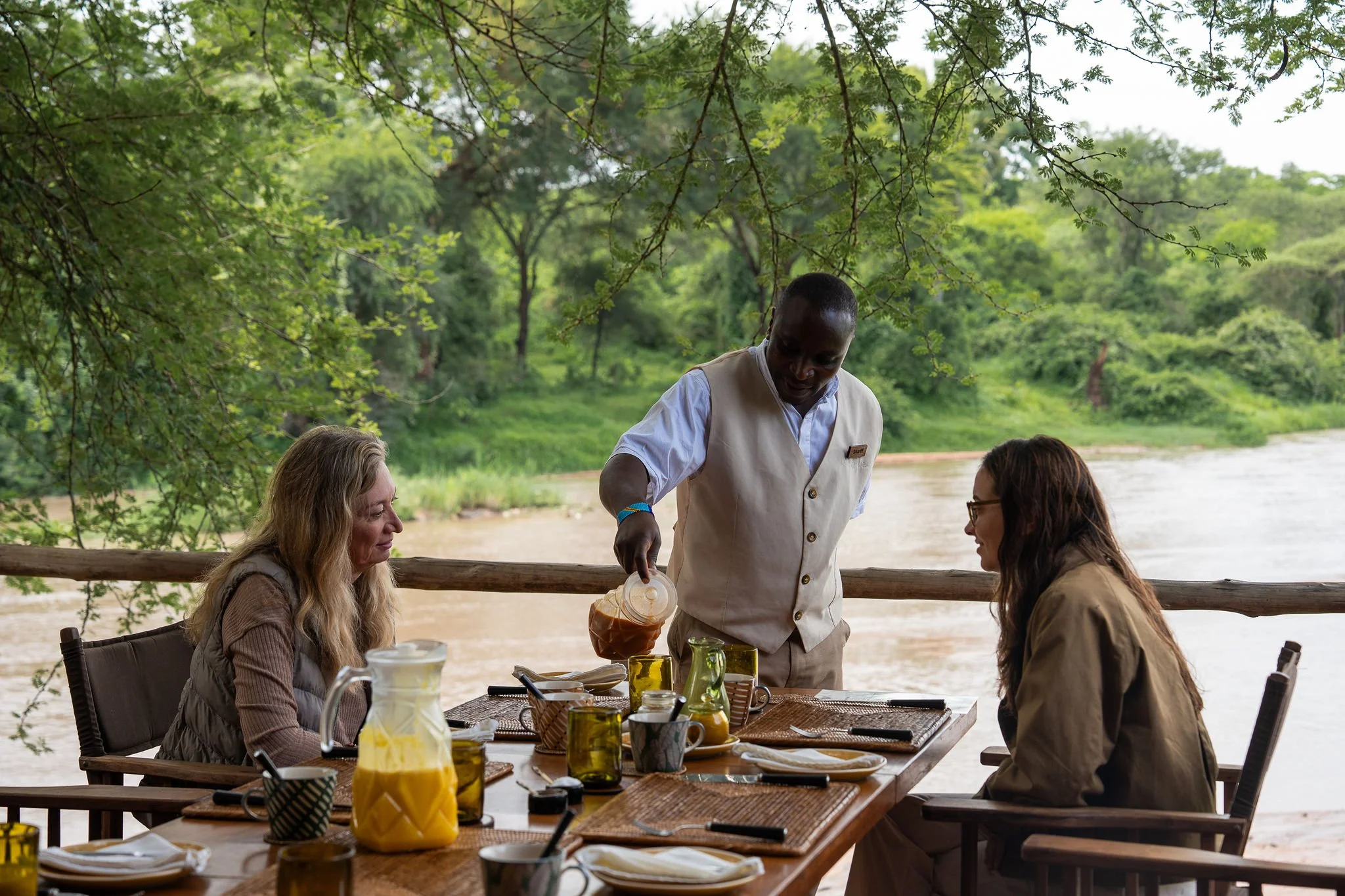
Siwandu rests on a lake within the Rufiji River network - the largest river system in East Africa - granting the camp access to incredible water-based safaris. Floating at eye level with elephants drinking at the water’s edge and watching hippos surface alongside our boat at dusk made for one of the most memorable safari experiences I have ever had. From sundowners set up on an open sandbar to a full breakfast served on the pontoon while cruising the lake, the entire experience felt wholly unique in Tanzania.
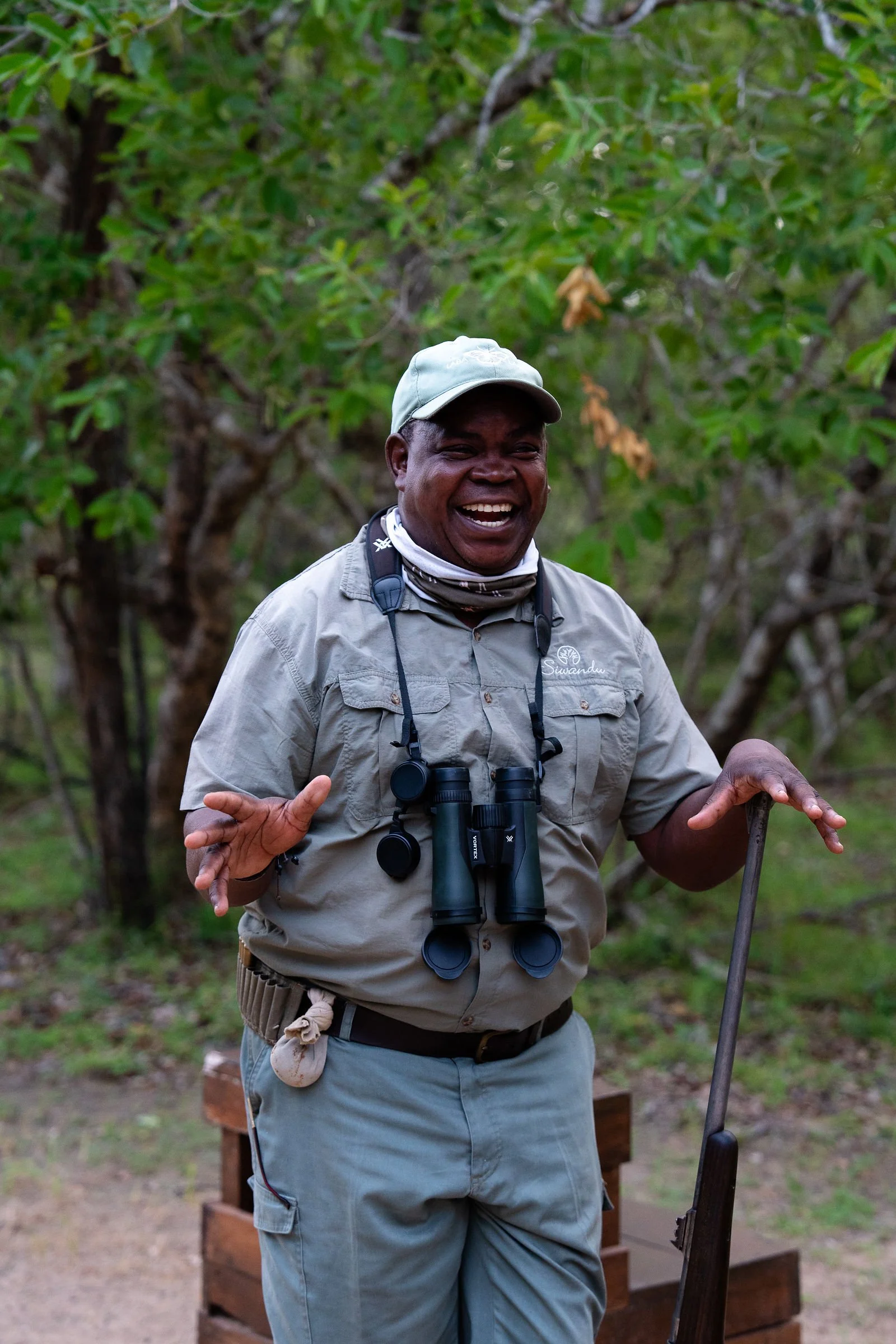
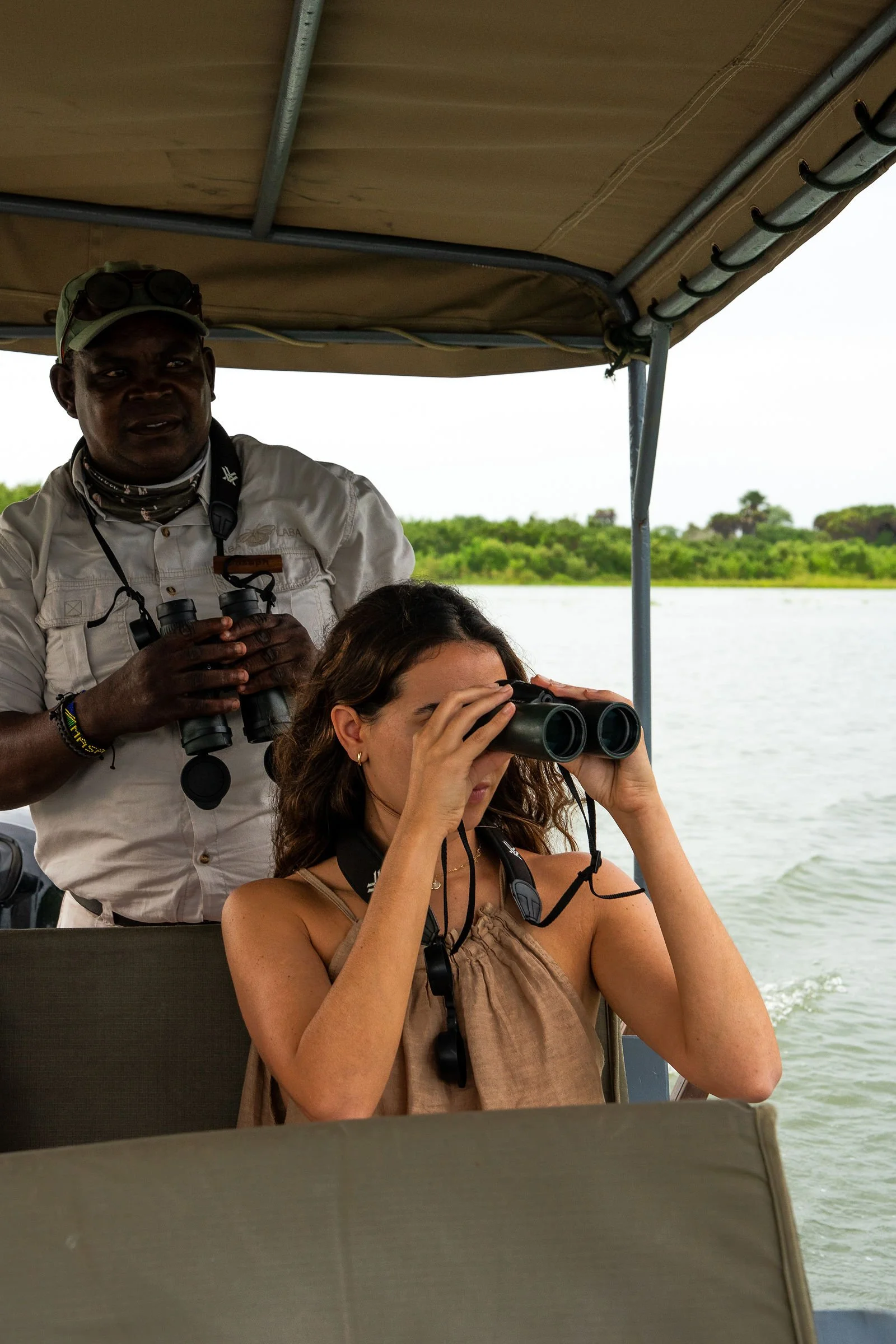
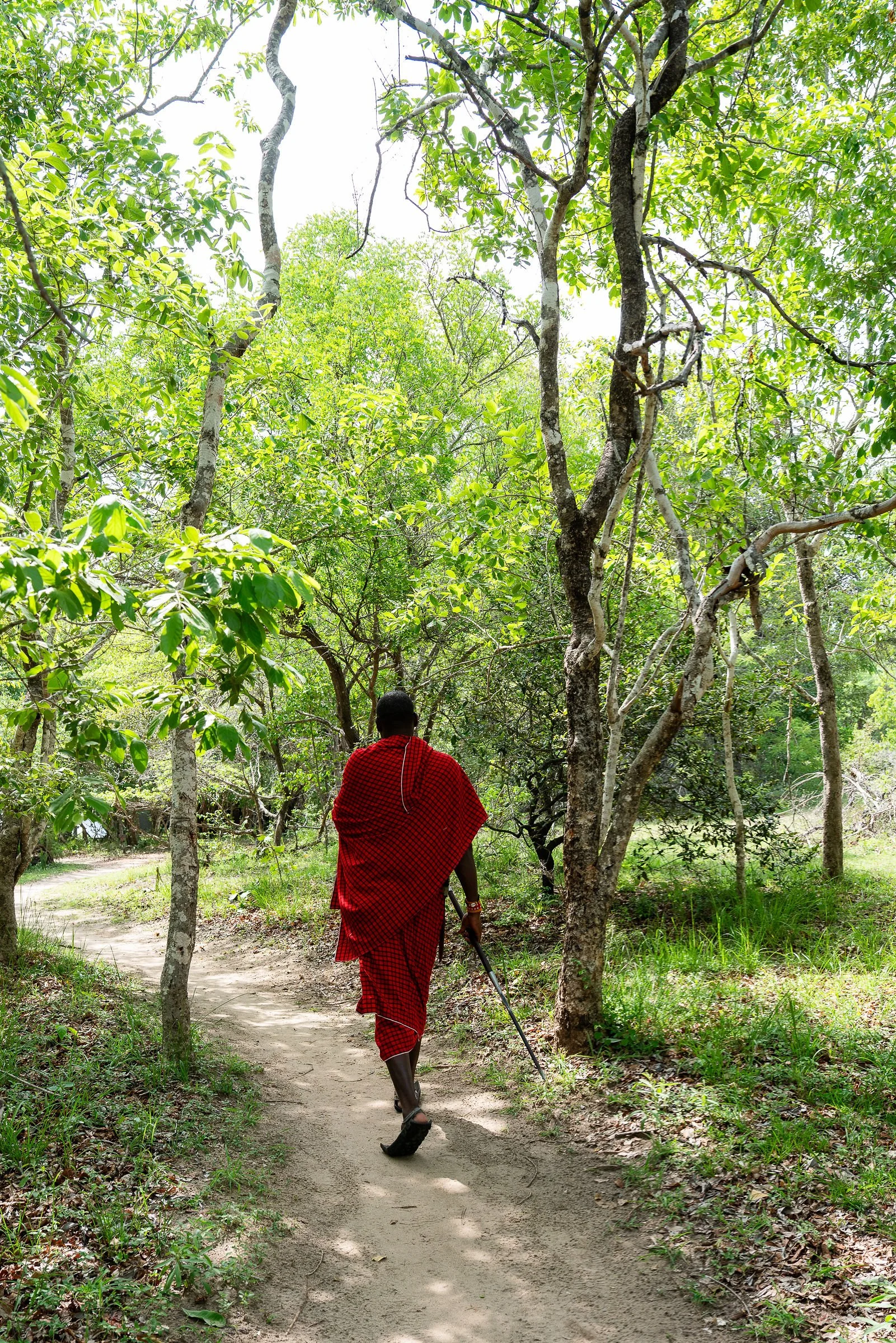
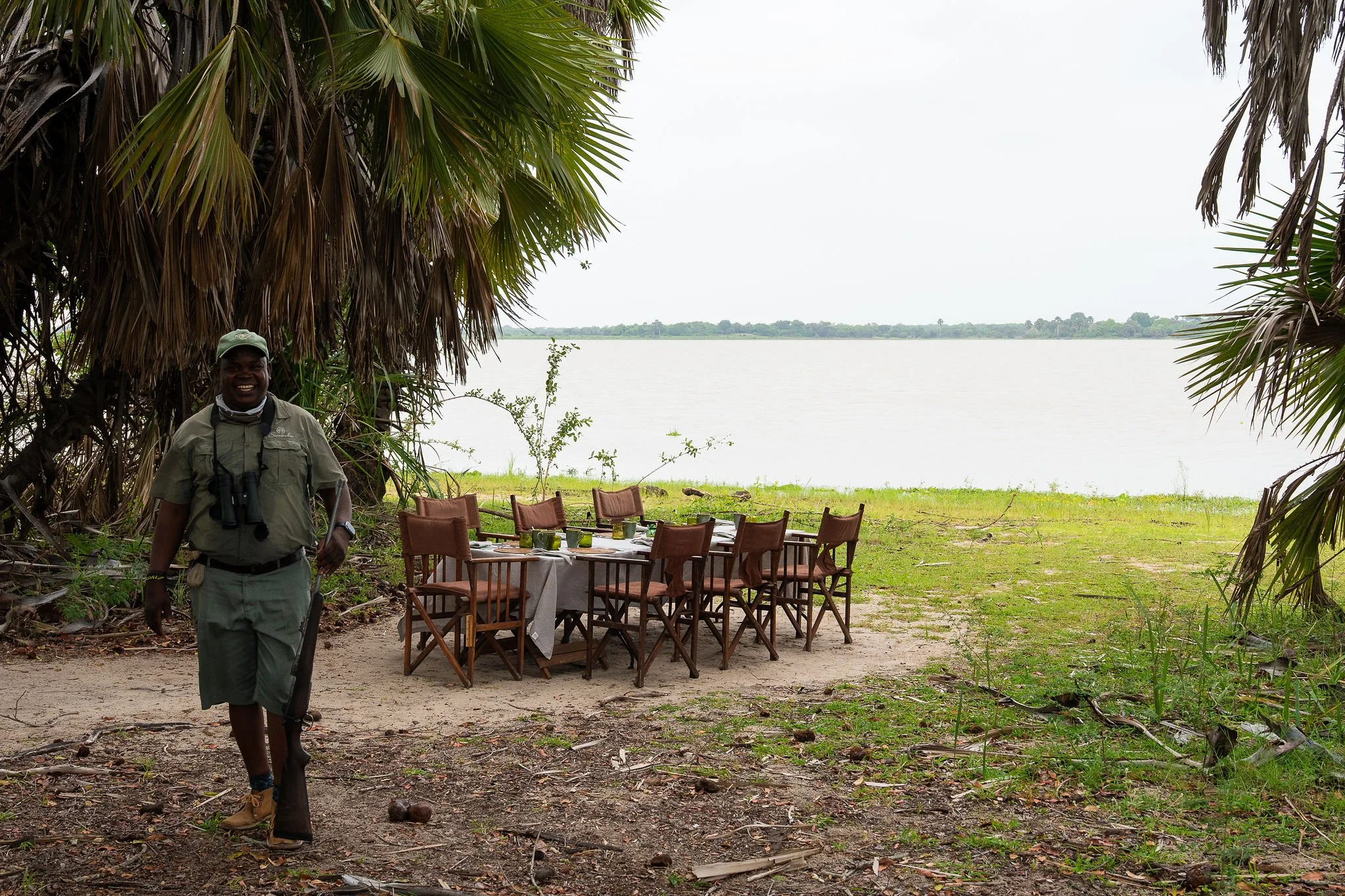
The walking safaris are equally compelling. Exploring the bush on foot accompanied by an armed specialist guide and a TANAPA ranger offers a sense of scale and perspective that no vehicle can replicate.
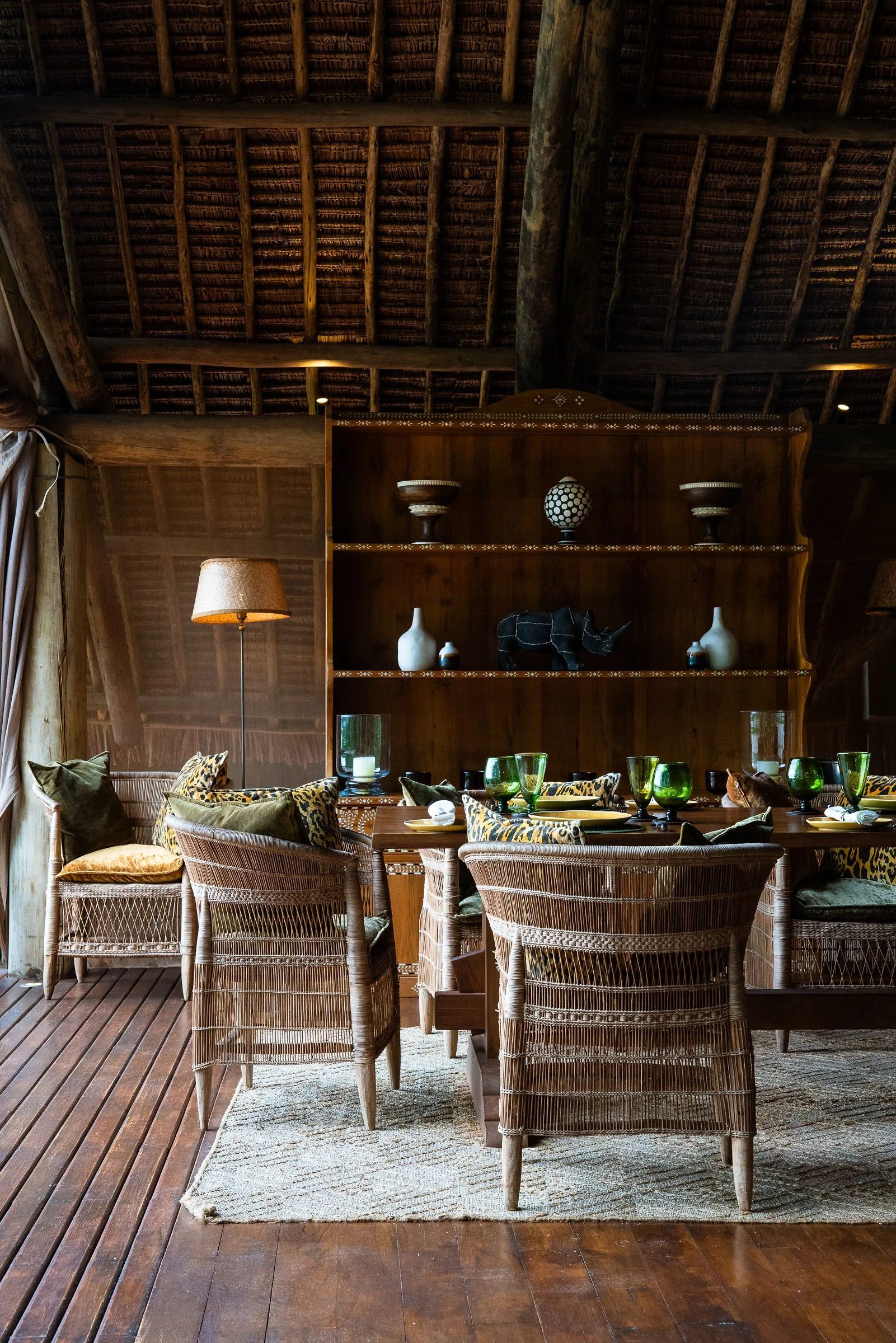
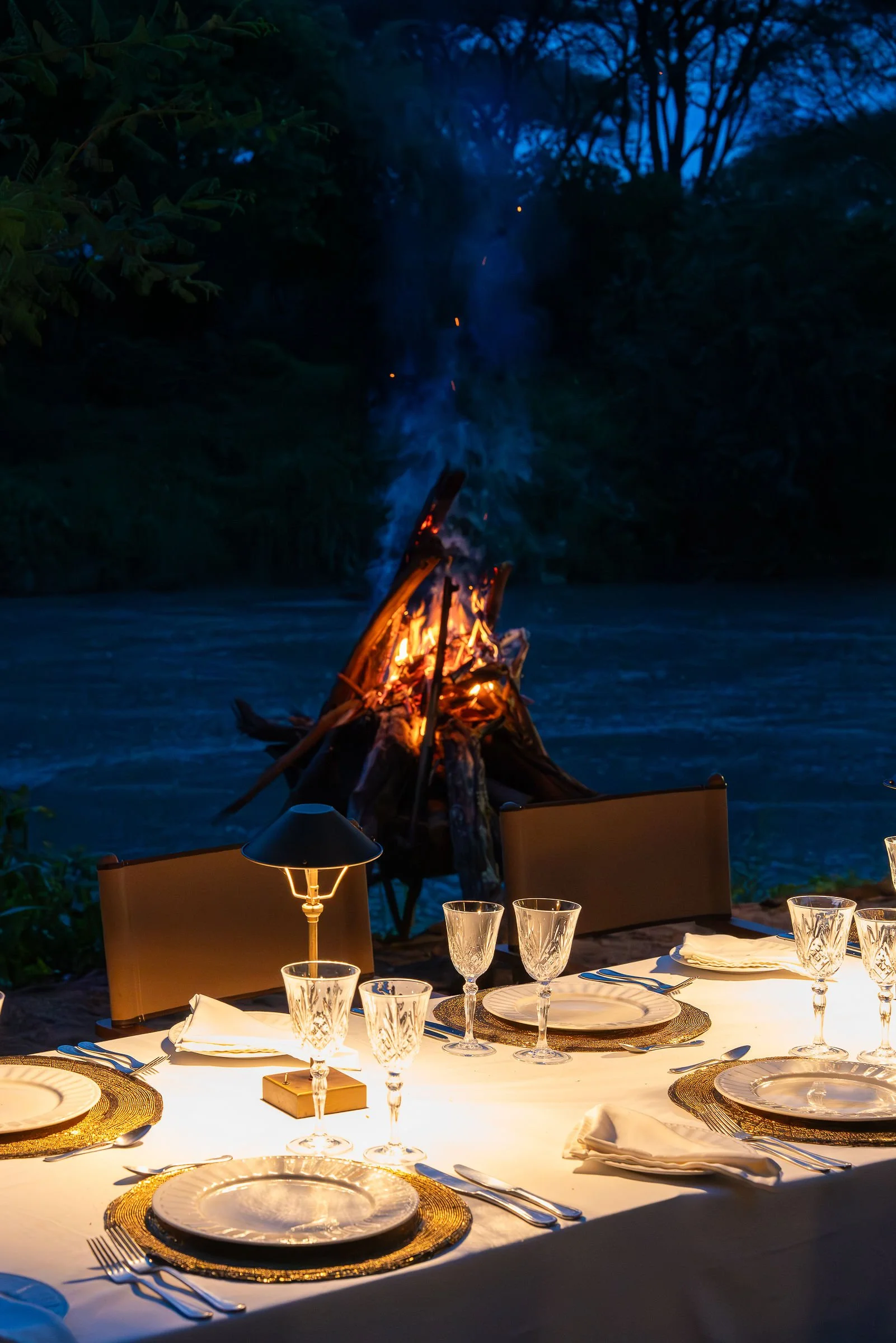
It is undeniably warm, and being open to the elements means sharing the evening light with a few moths at dinner or sleeping beneath a ceiling fan. Yet waking up inside one of the most unspoiled wildernesses on Earth makes those elemental touches feel less like a compromise and more like the very point of being there. The simple, considered tent design and subtle Maisons du Monde accents complete an ethos that feels effortlessly harmonious.
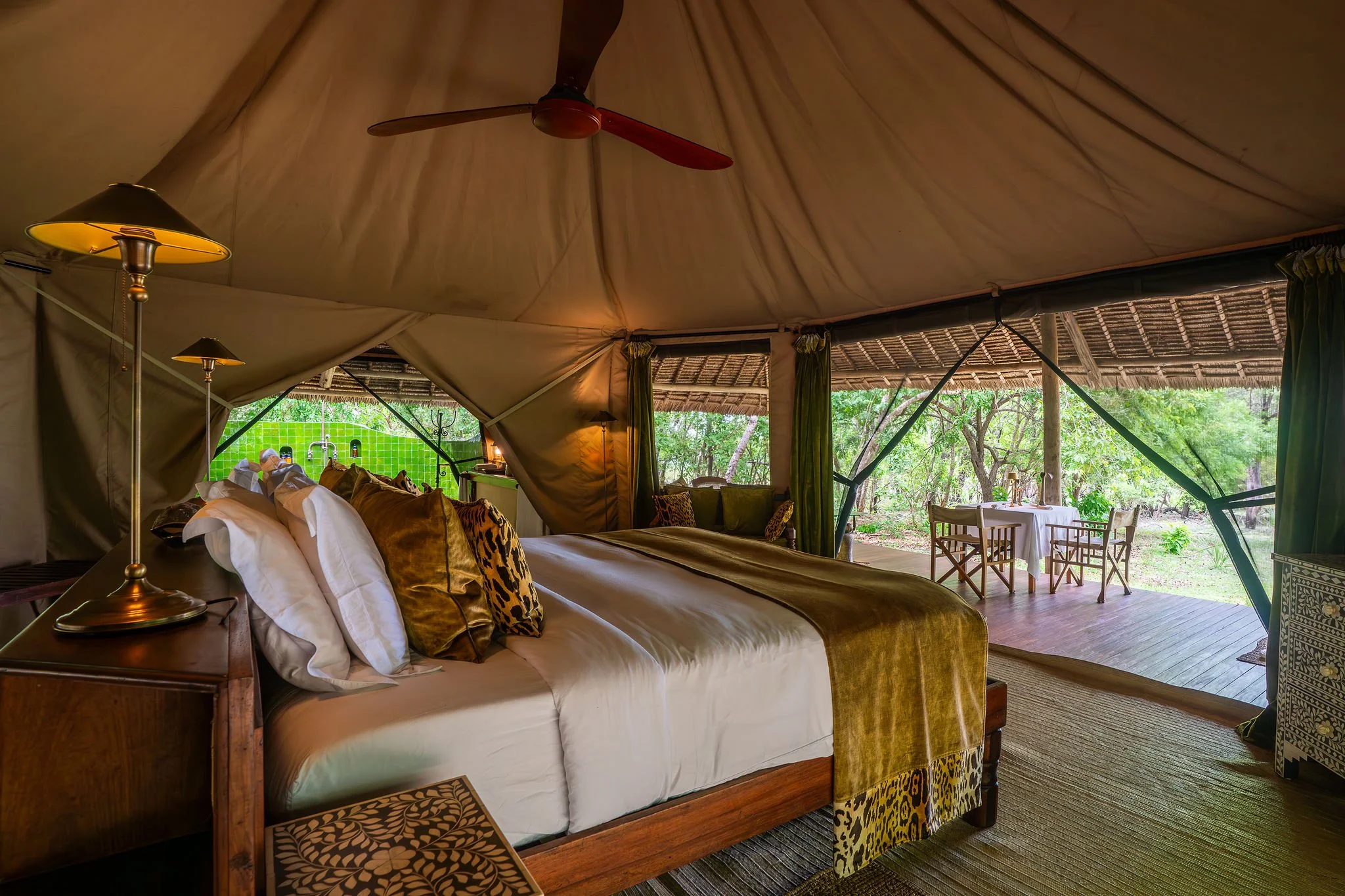
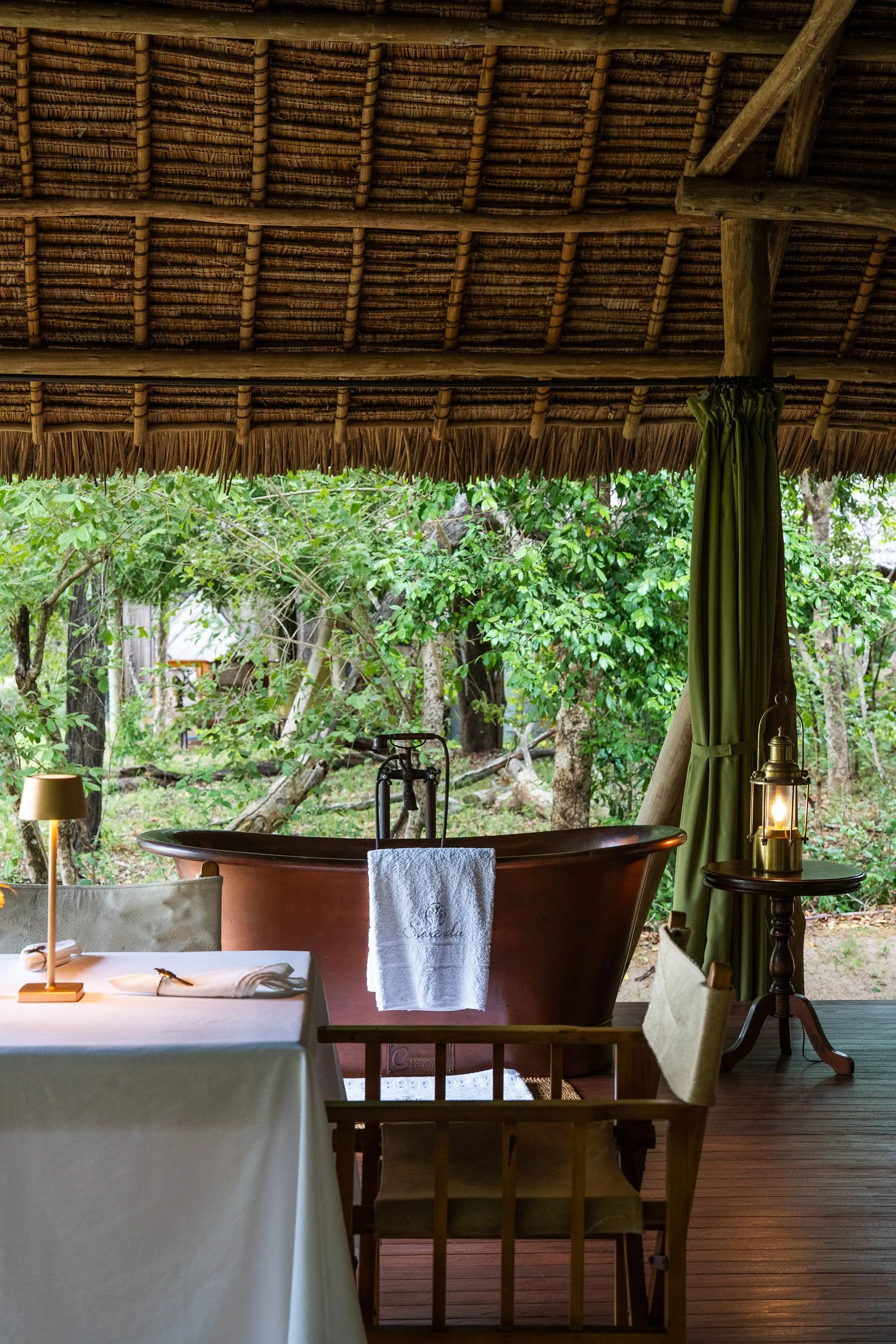
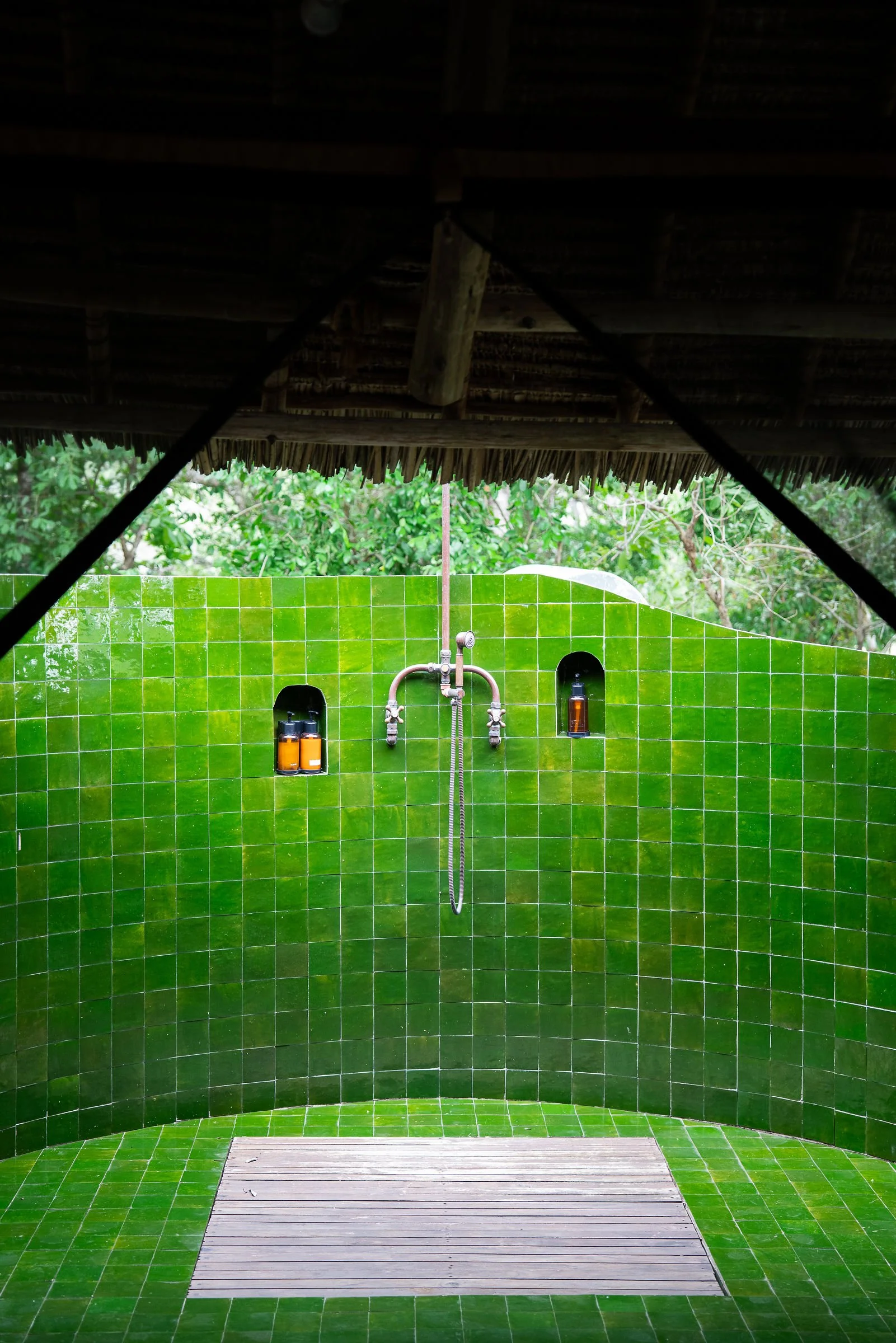
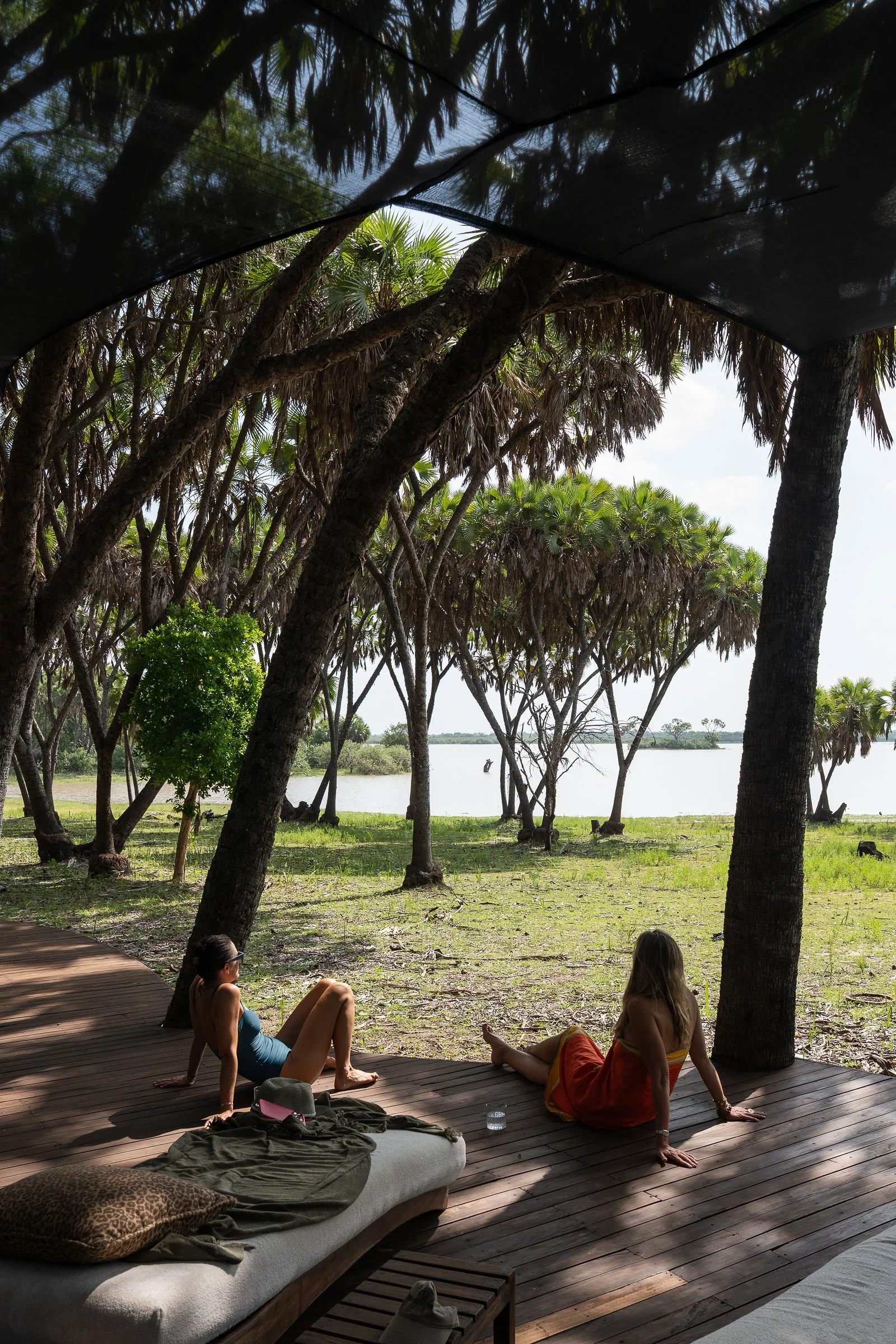
Recommendation: Stay a minimum of three nights. Ideal for birding enthusiasts and travelers seeking scenic, water-based wilderness over high-density vehicle traffic.
Laba Jongomero, Ruaha National Park
For seclusion with a higher level of refinement
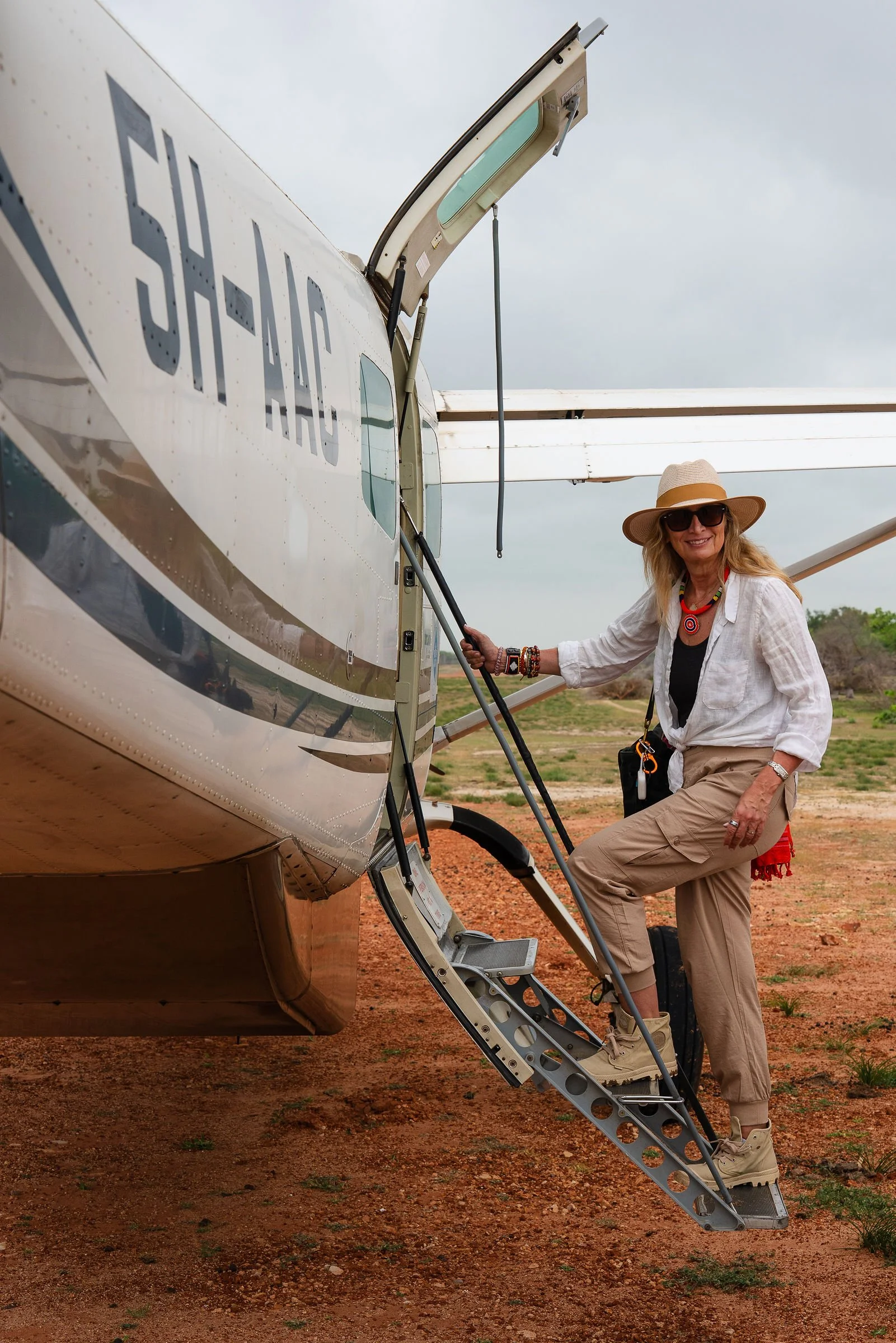
A short 1-hour-45-minute flight from Nyerere brings you to Ruaha, Tanzania’s second-largest national park and one of its best-kept secrets. Near Jongomero lies a region guides refer to as "the little Serengeti," characterized by sweeping plains and high game density. Having these vast, wildlife-rich landscapes virtually to ourselves created an extraordinary sense of intimacy with the wilderness that is so rare on safari today.
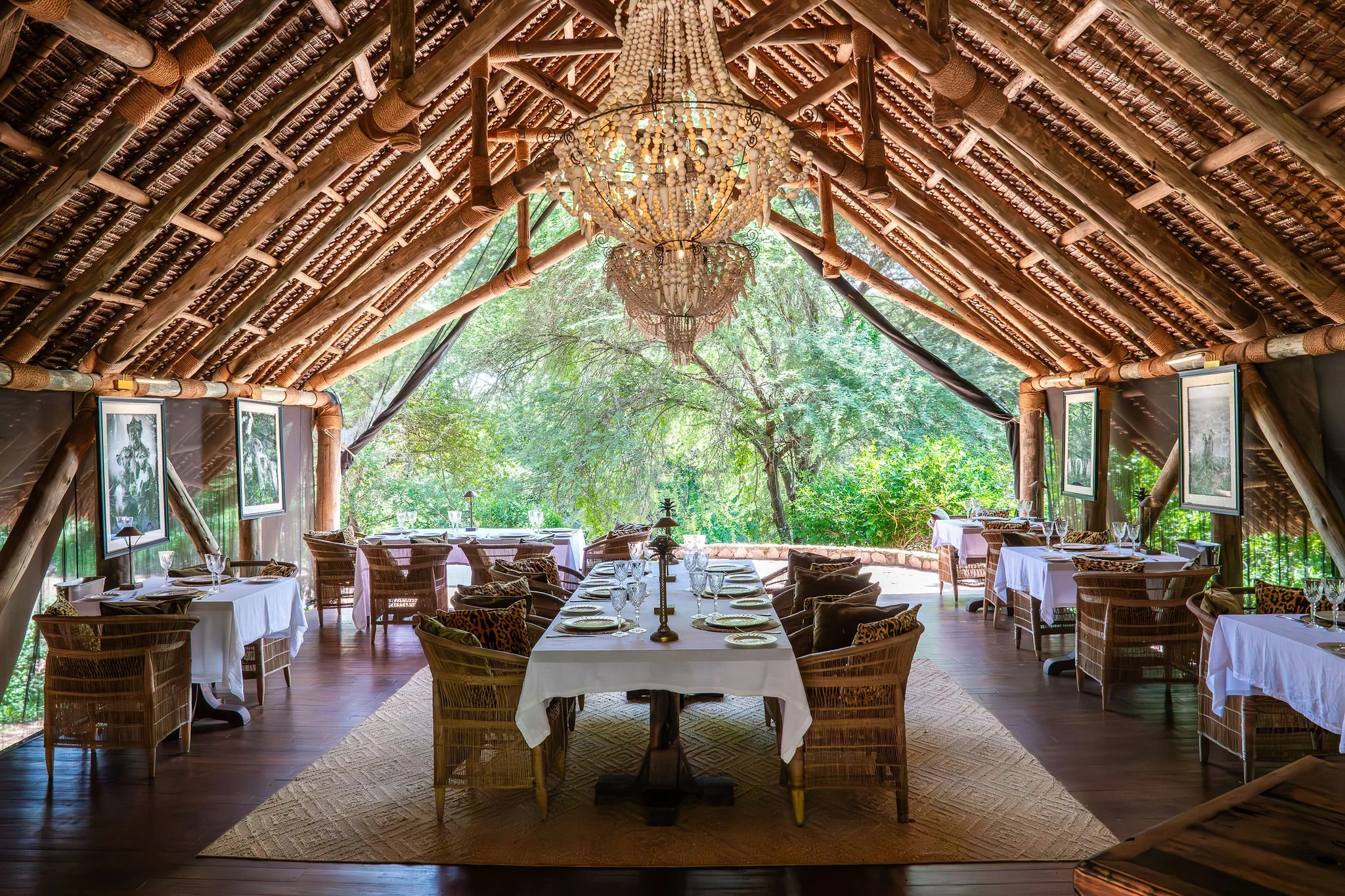
Where Siwandu leans into raw, elemental adventure, Jongomero elevates the experience across every register. Sitting at roughly 1,000 meters in elevation, the camp enjoys cool, comfortable evenings where the lack of air conditioning is a complete non-issue.
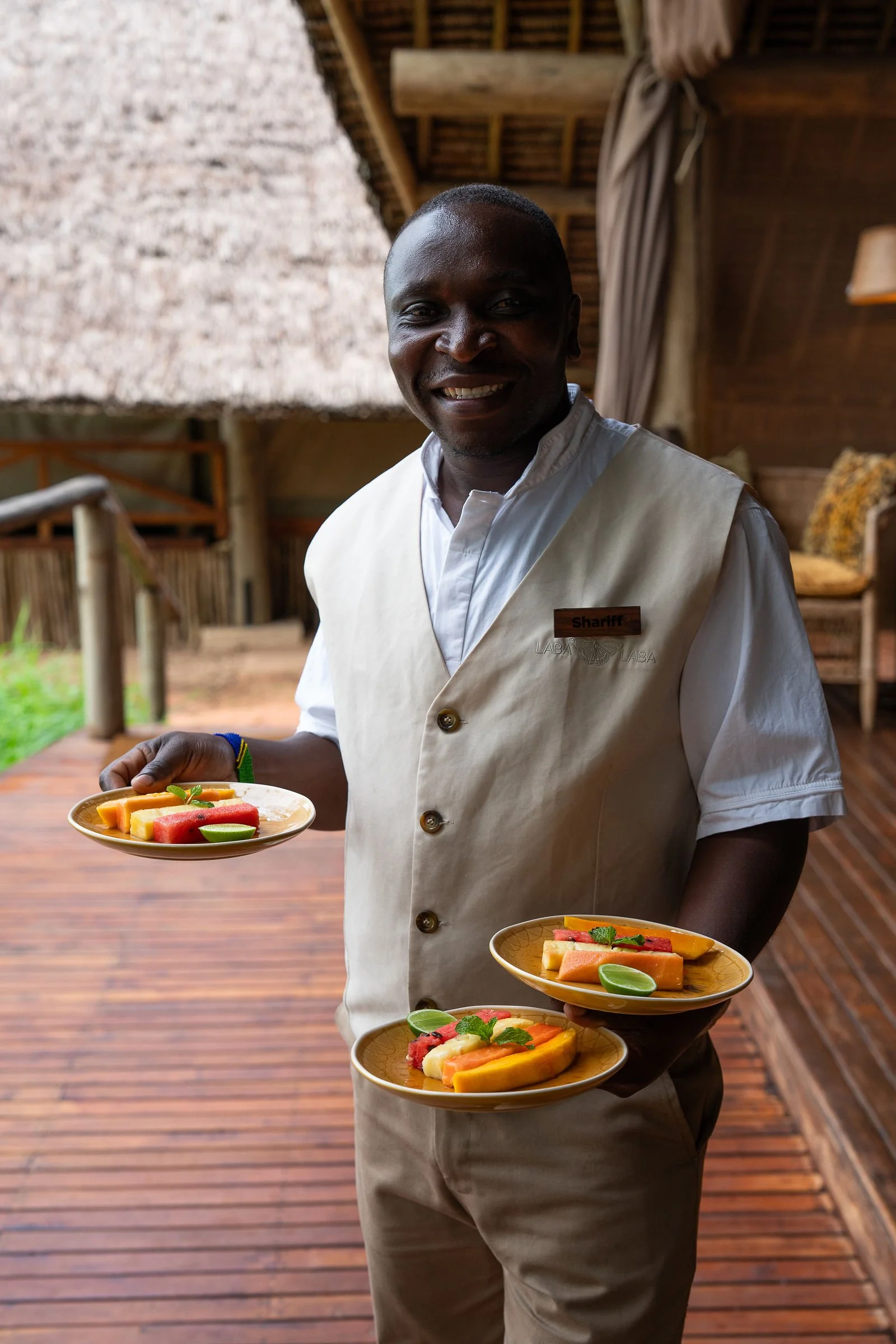
The service here operates with intuitive precision: a small personal preference mentioned casually on day one was remembered for the remainder of the stay, without a single reminder or form required. That level of attention - quietly observed and flawlessly executed - is something many properties promise, but very few deliver with such ease. Each tent also includes its own private safari vehicle and guide, allowing complete freedom over your daily schedule.
For those looking to venture further, the property offers a four-night fly camping expedition that lets you sleep under the stars in remote sectors of the park, as well as an immersive three-day walking safari guided by Maasai experts.
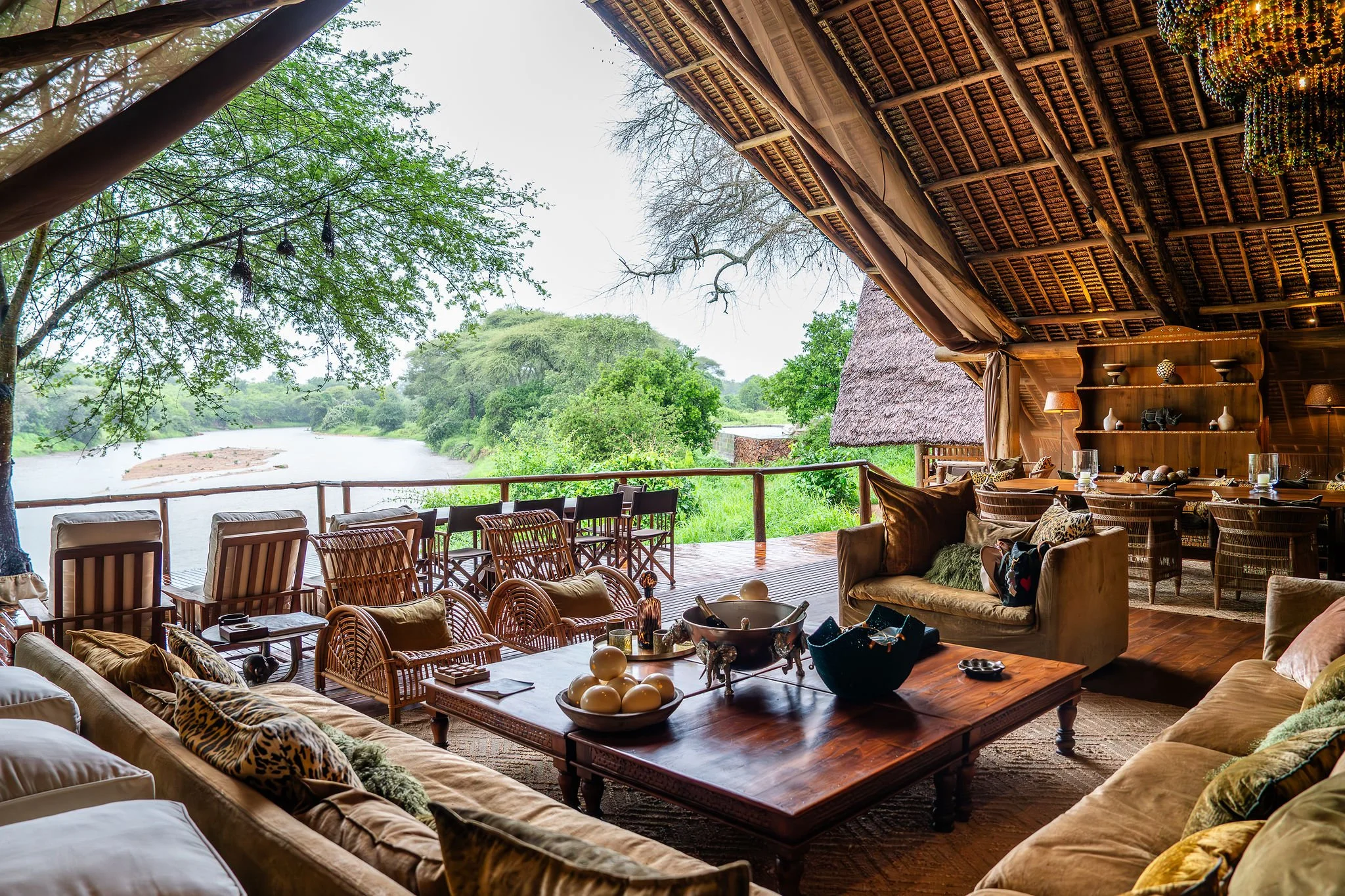
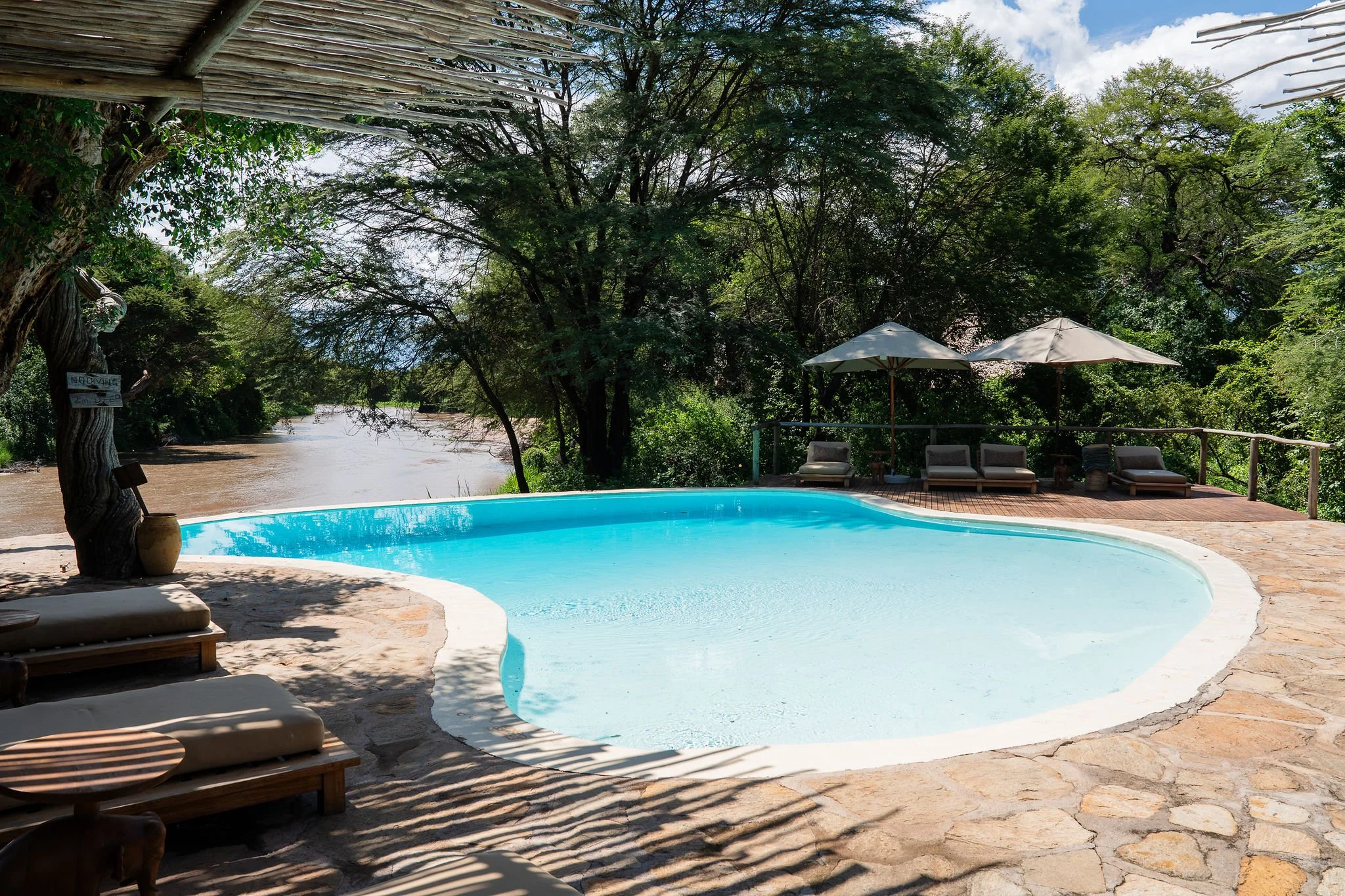
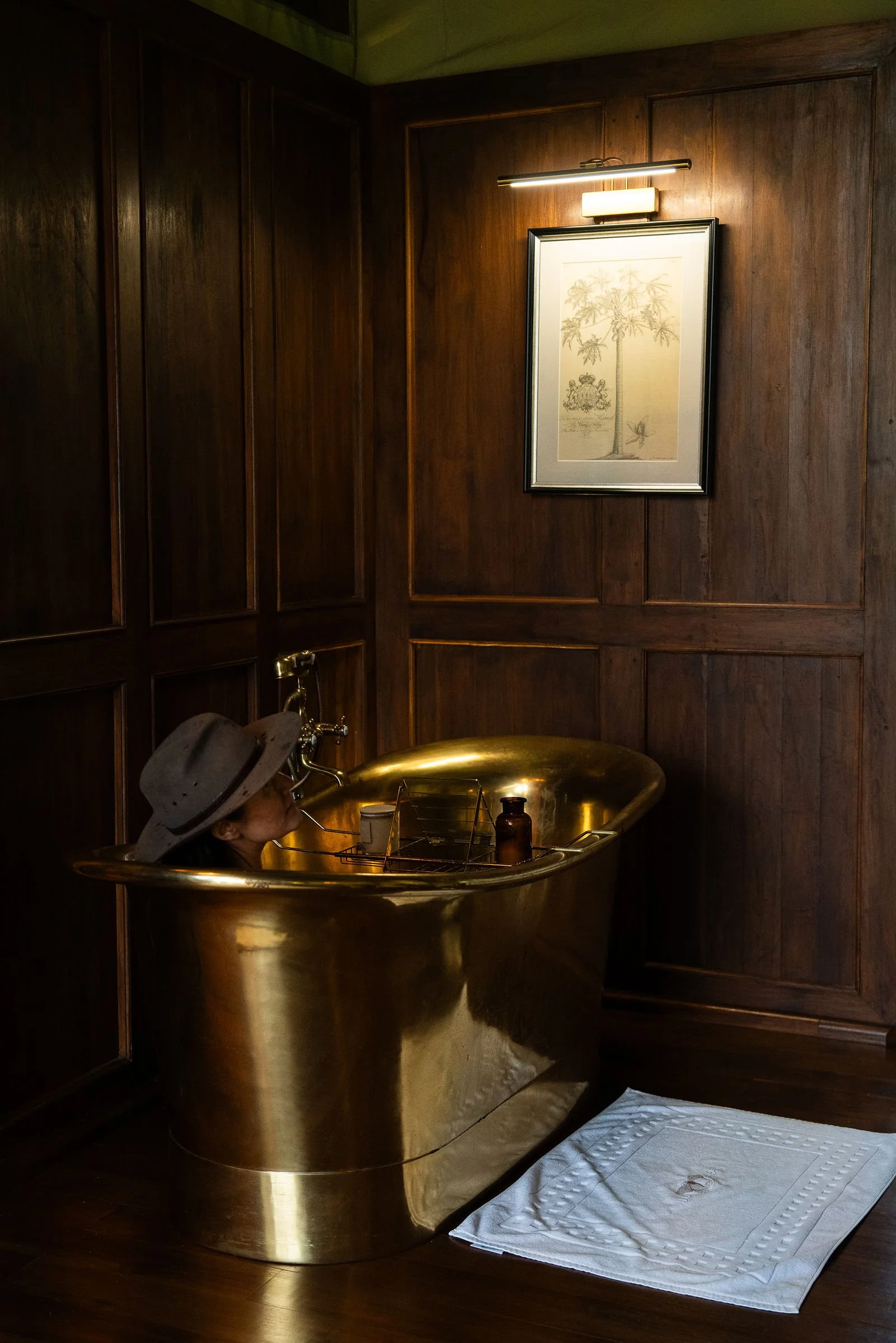
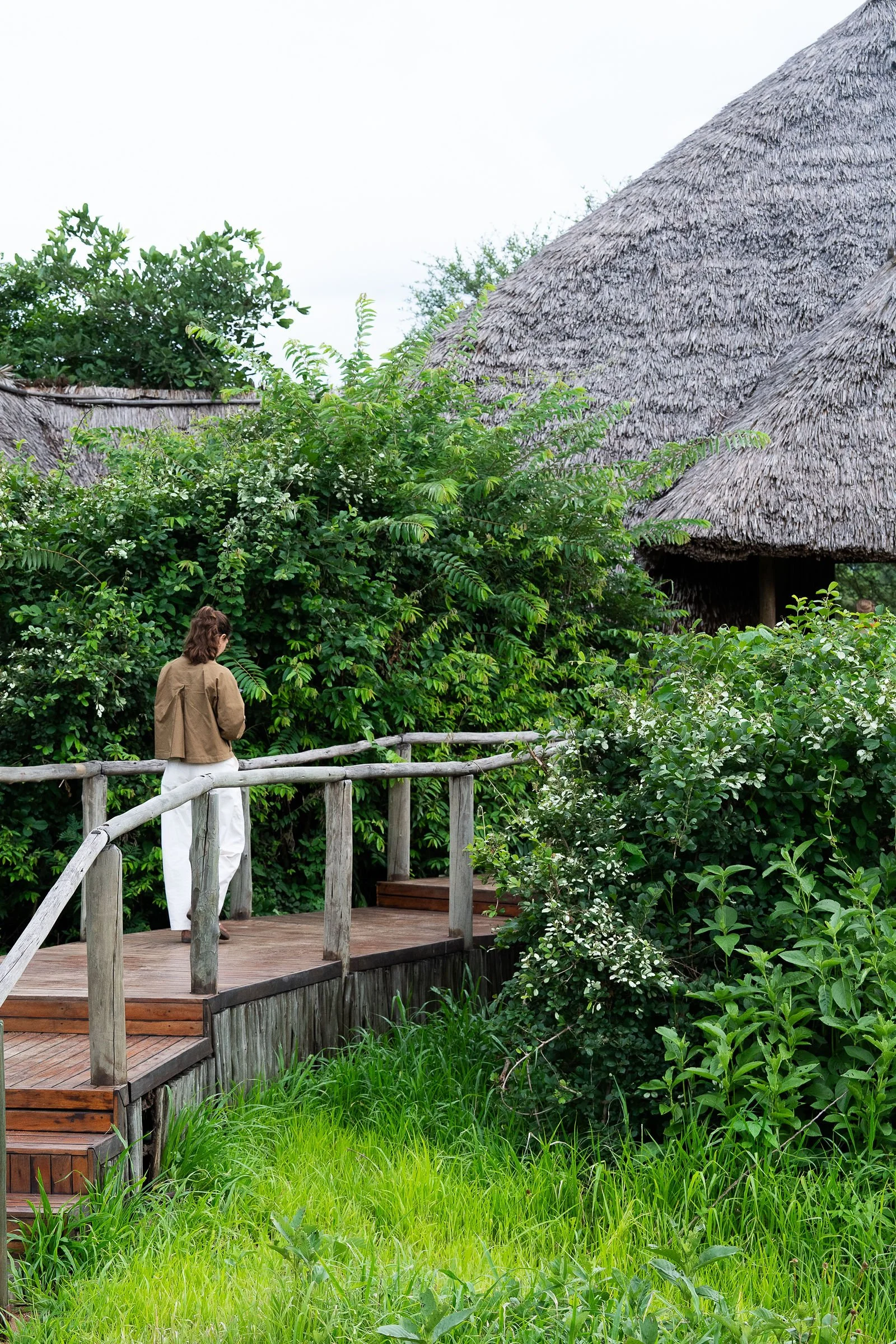
Even a visit to the spa feels like an excursion in itself. Located a scenic 30-to-40-minute ride from camp, the journey doubles as a short game drive before arriving at a natural spring with a plunge pool built directly into the rock - making it a perfect mid-morning sanctuary.
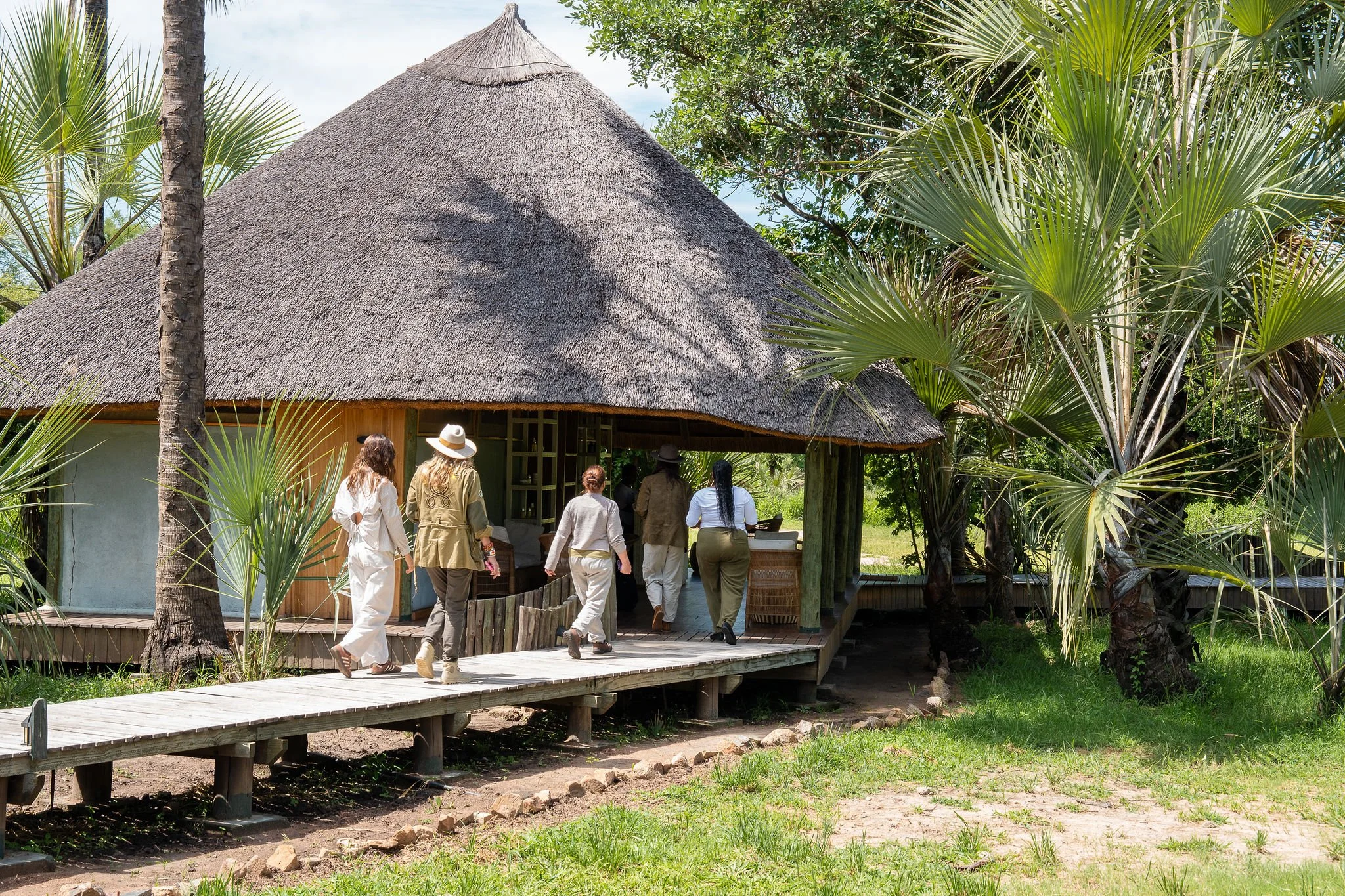
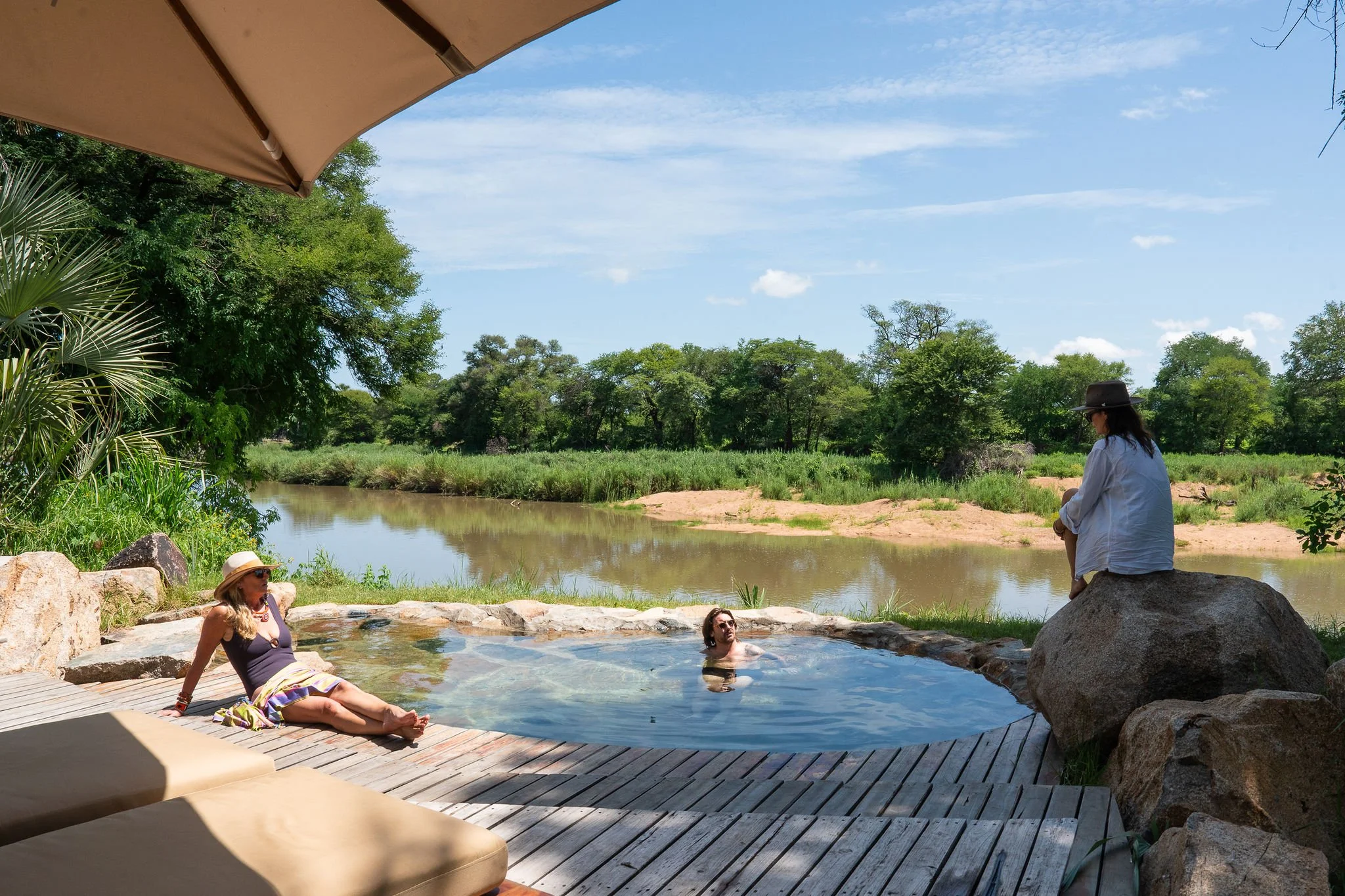
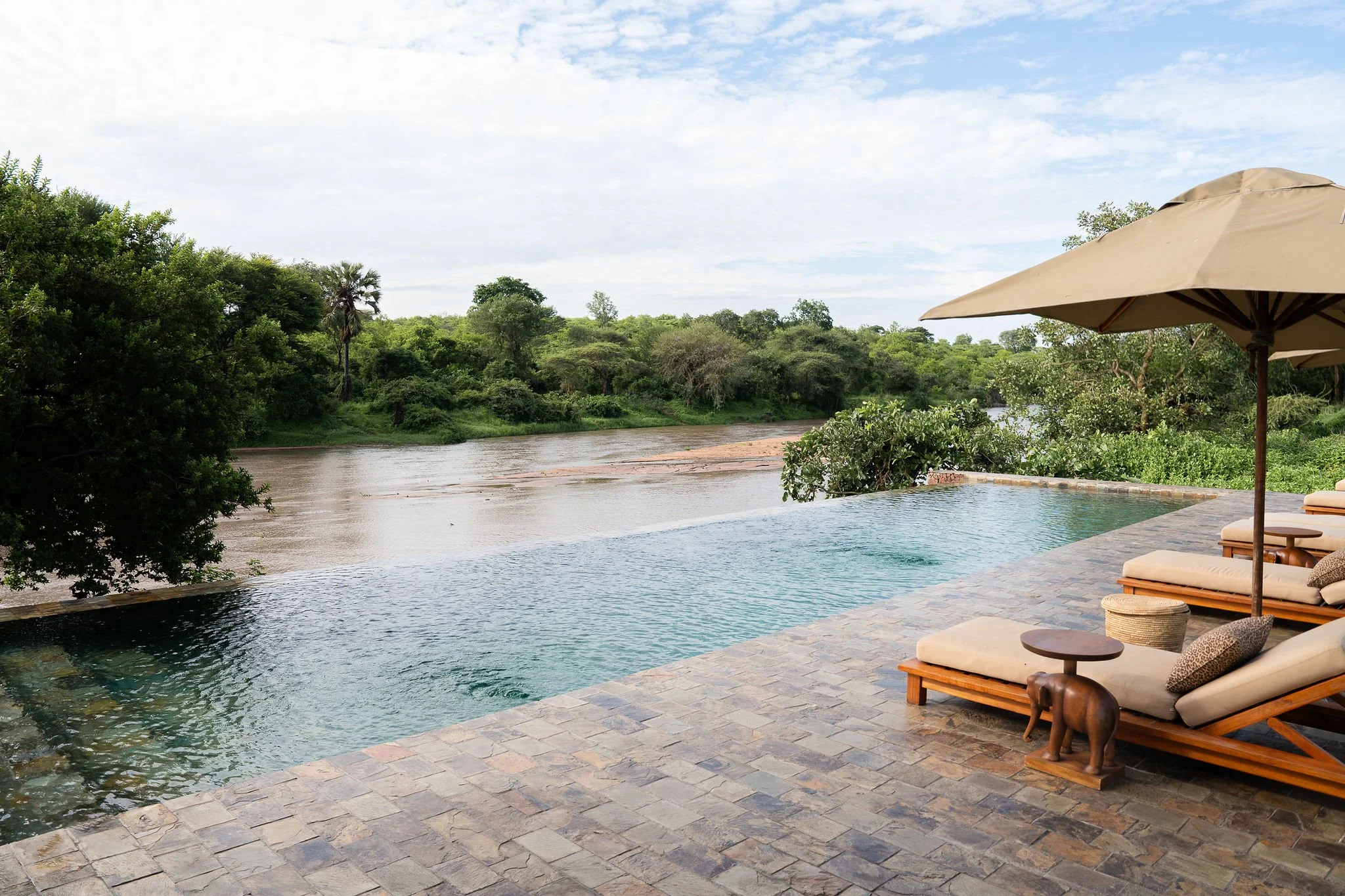
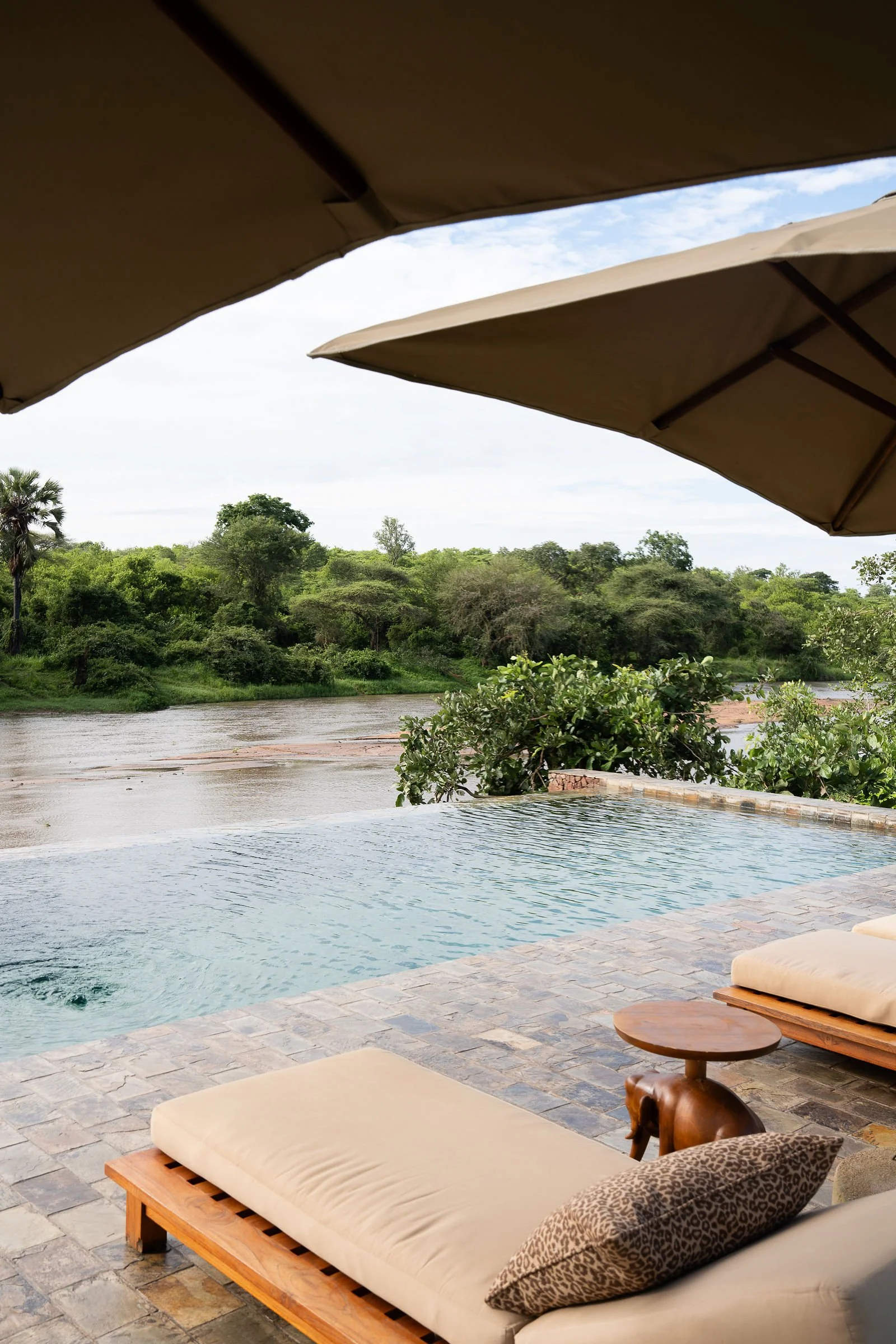
Accommodations across the property consist of 12 private cabins, alongside the standout Bush Manor. Designed for families and private groups, this exclusive residence features its own dedicated staff and an infinity pool overlooking the river, delivering multi-generational luxury that rivals Africa's top-tier safari estates at a fraction of the cost.
Fanjove Private Island
For barefoot luxury and total disconnect
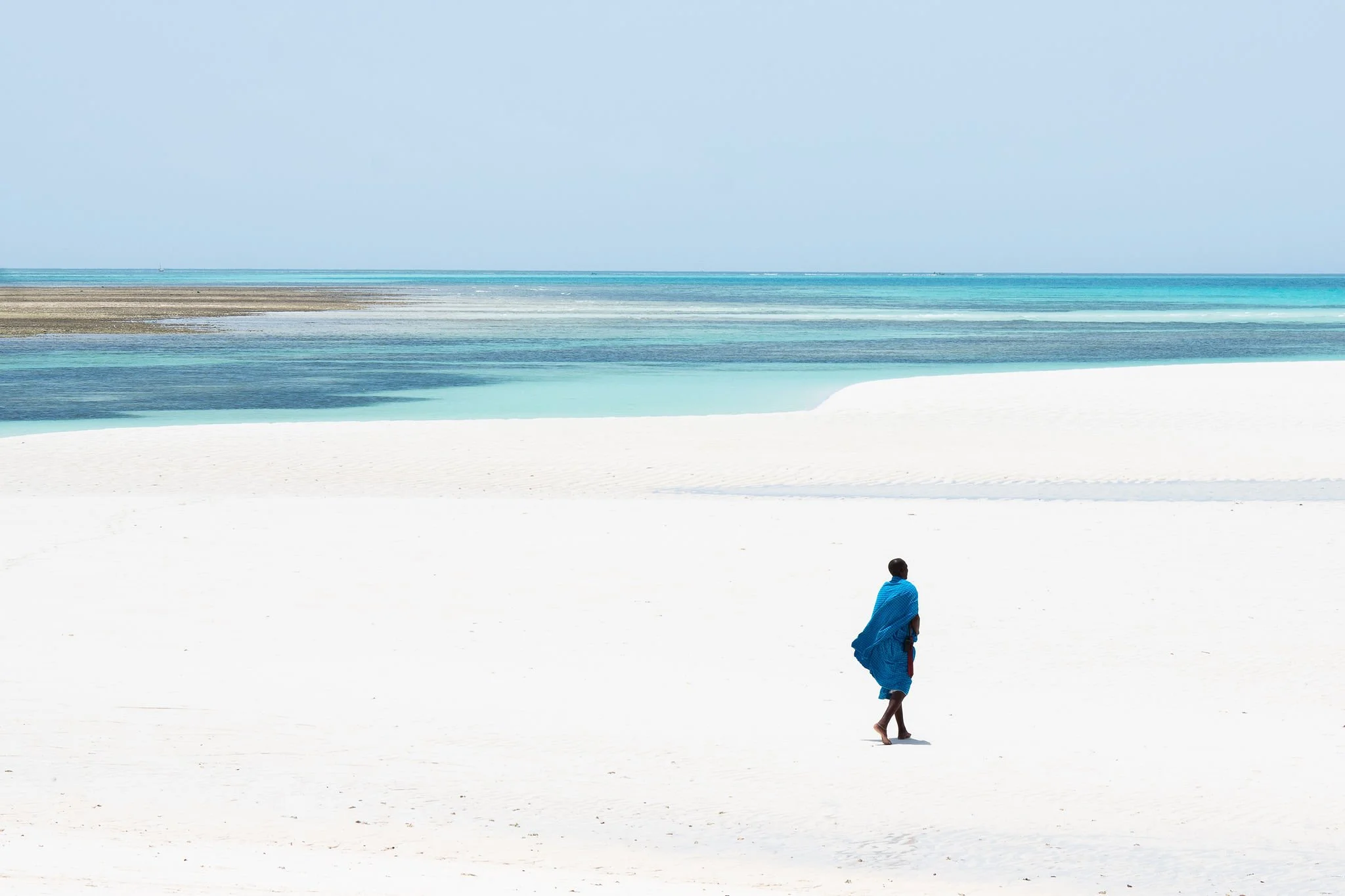
Safari activity can be wonderfully intense, filled with early mornings and constant sensory stimulation. Ending a journey on a private island provides the perfect antidote, which is why this nine-day itinerary concluded on Fanjove, Laba Laba’s private island off the Tanzanian coast.
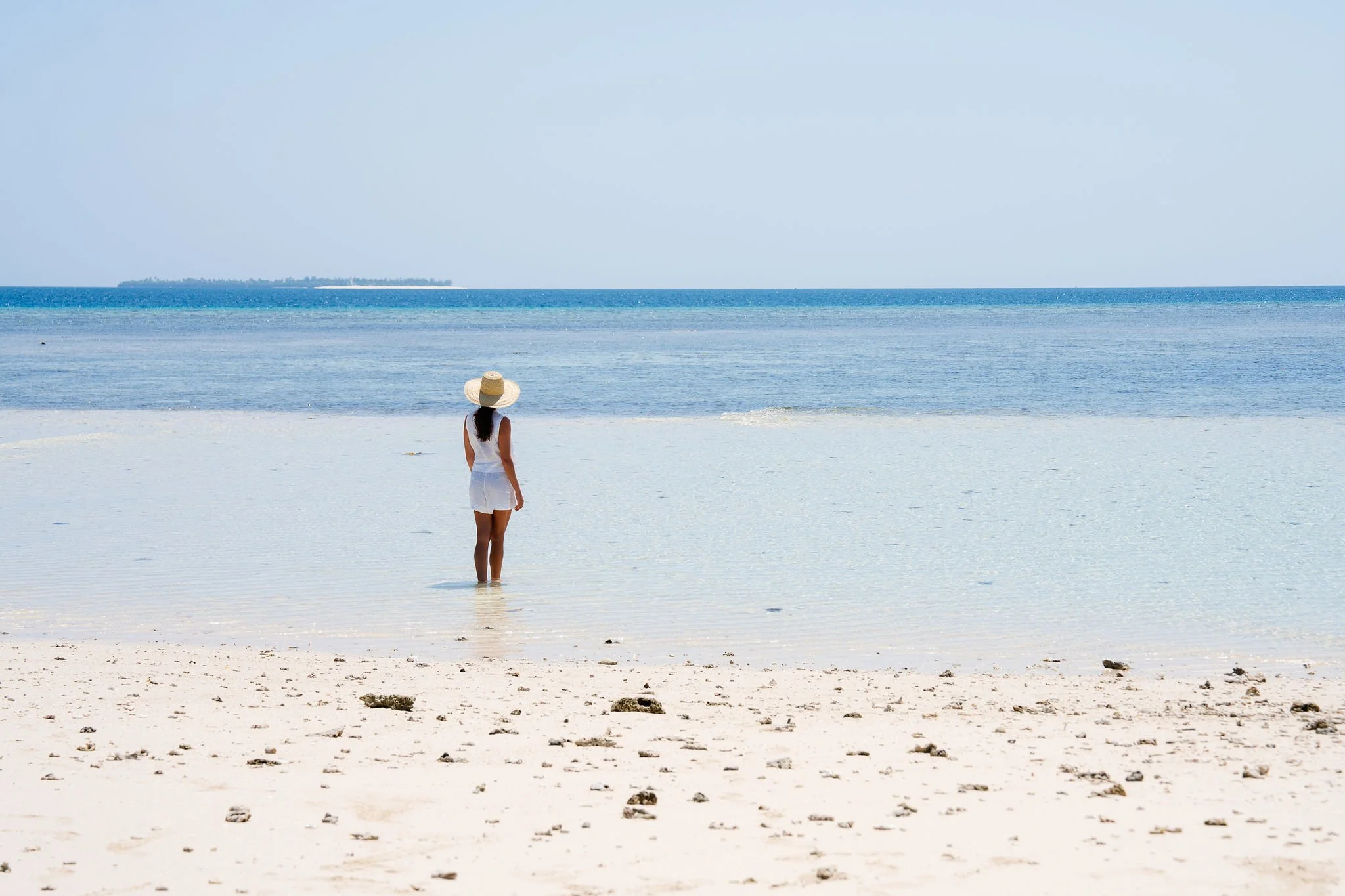
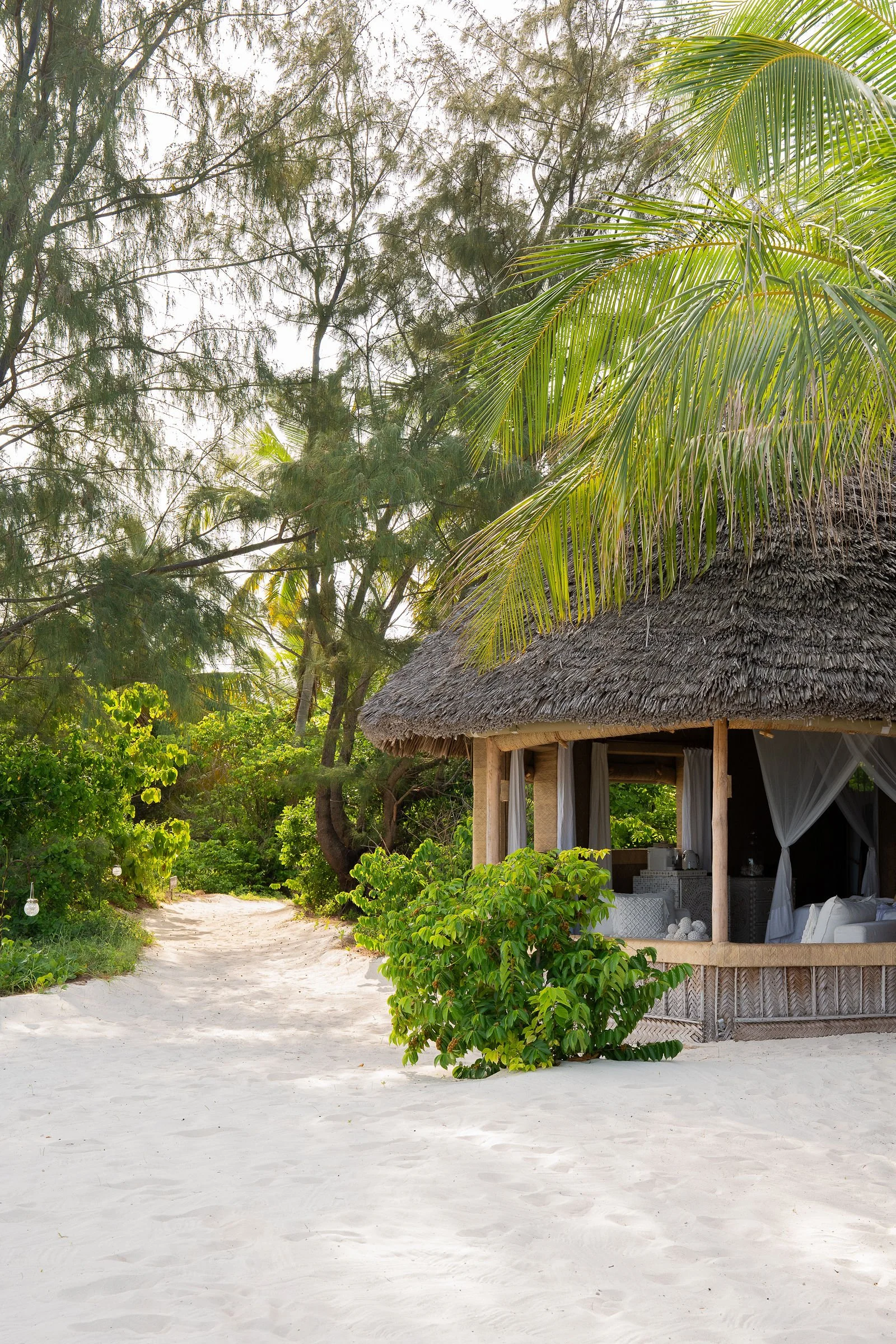
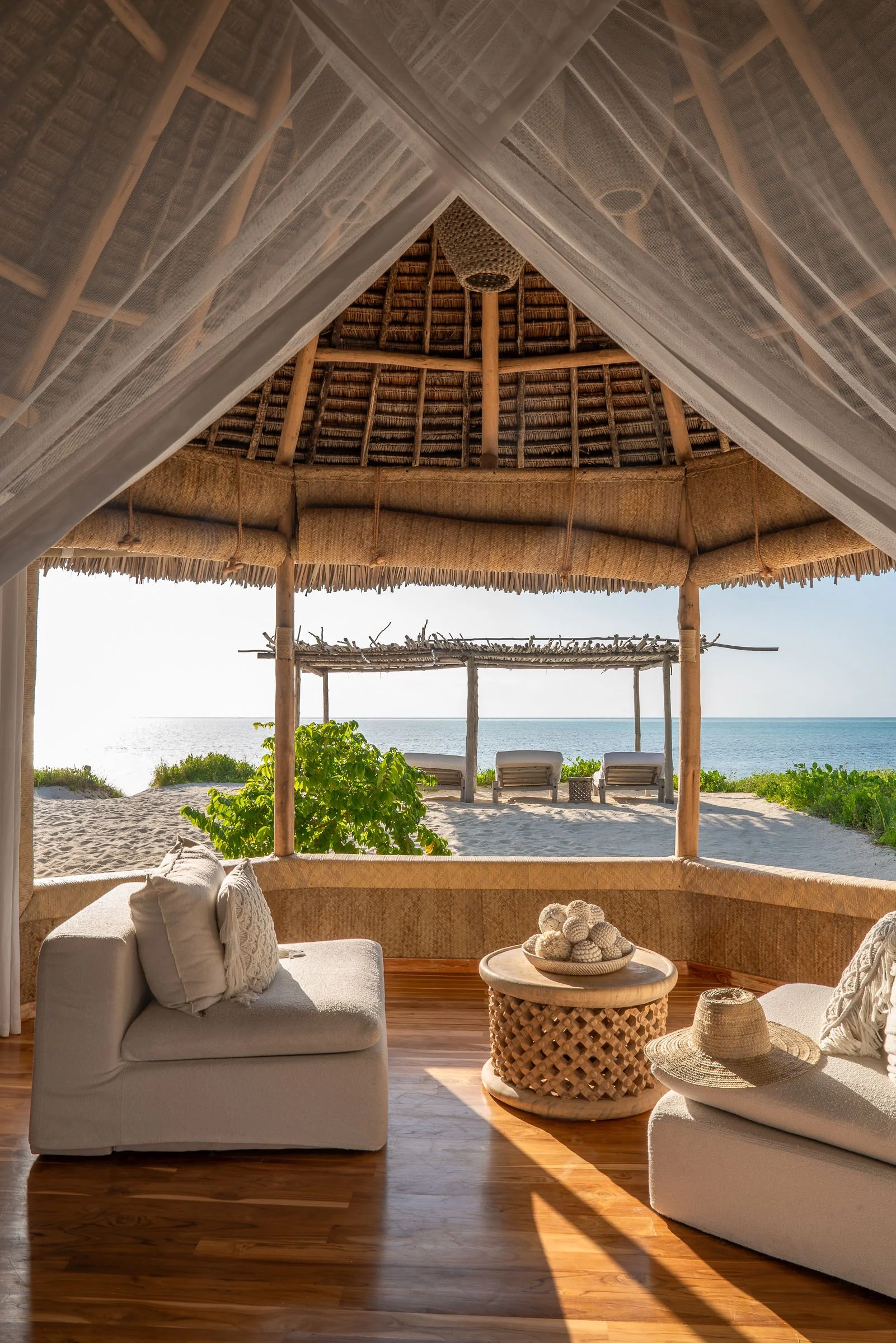
Reaching Fanjove involves a charter or commercial flight from Dar es Salaam to Songo Songo, followed by a 20-minute boat ride. Step off the boat into shallow turquoise water, walk directly onto the sand, and shoes quickly become entirely optional (in fact, I didn't see mine again for the next three days). Fanjove embodies true island privacy with no other lodges in sight and villas spaced widely along the palms.
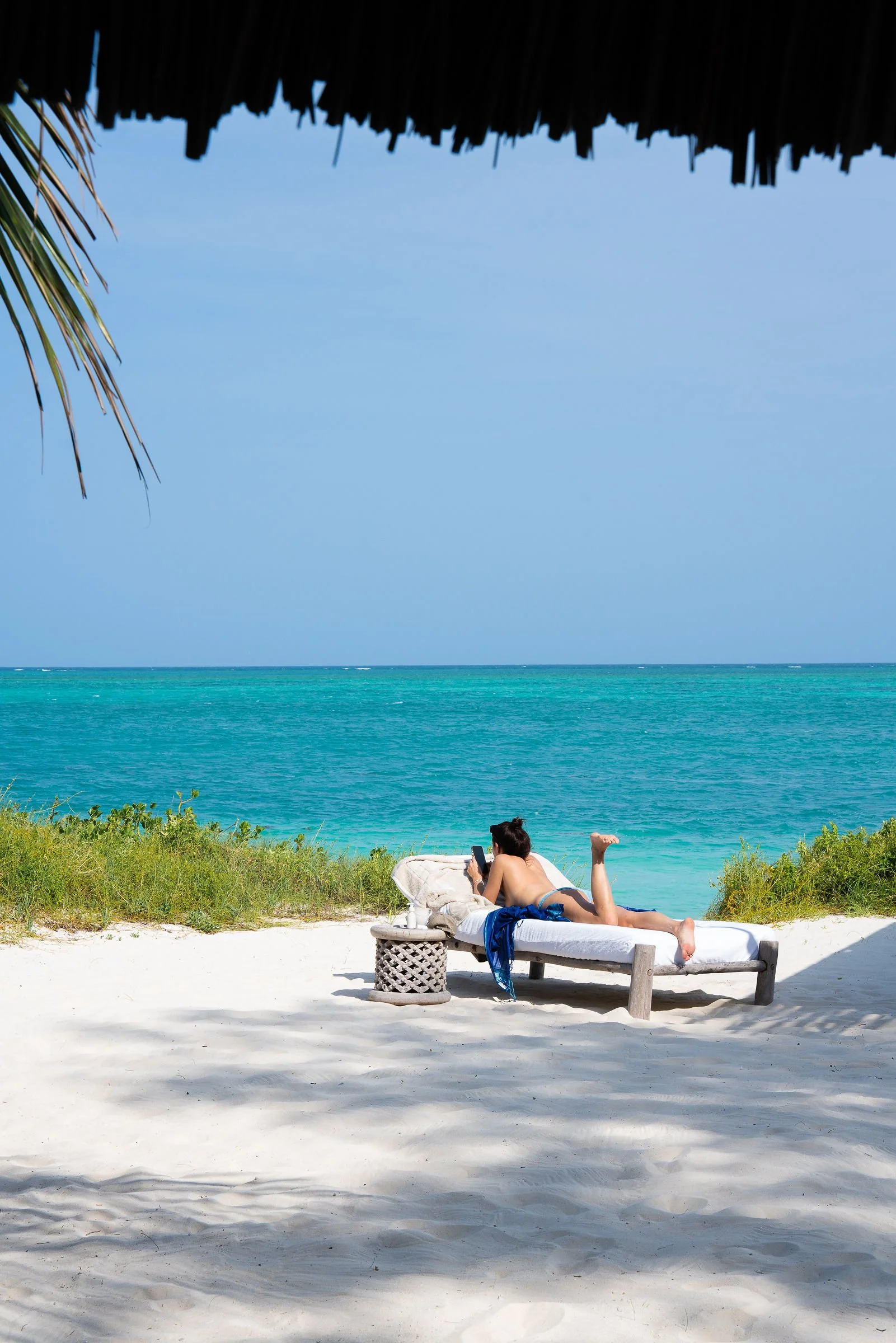
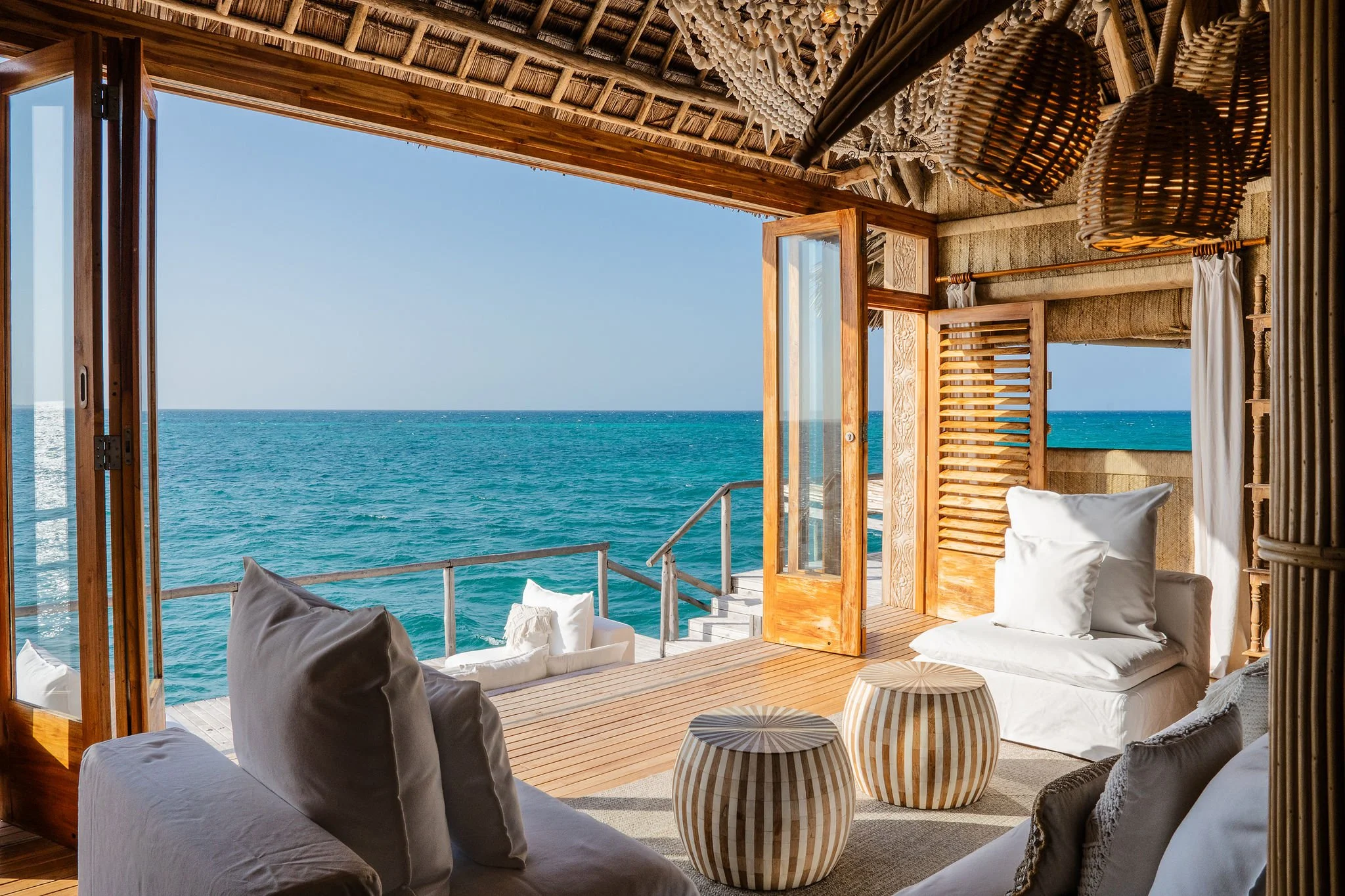
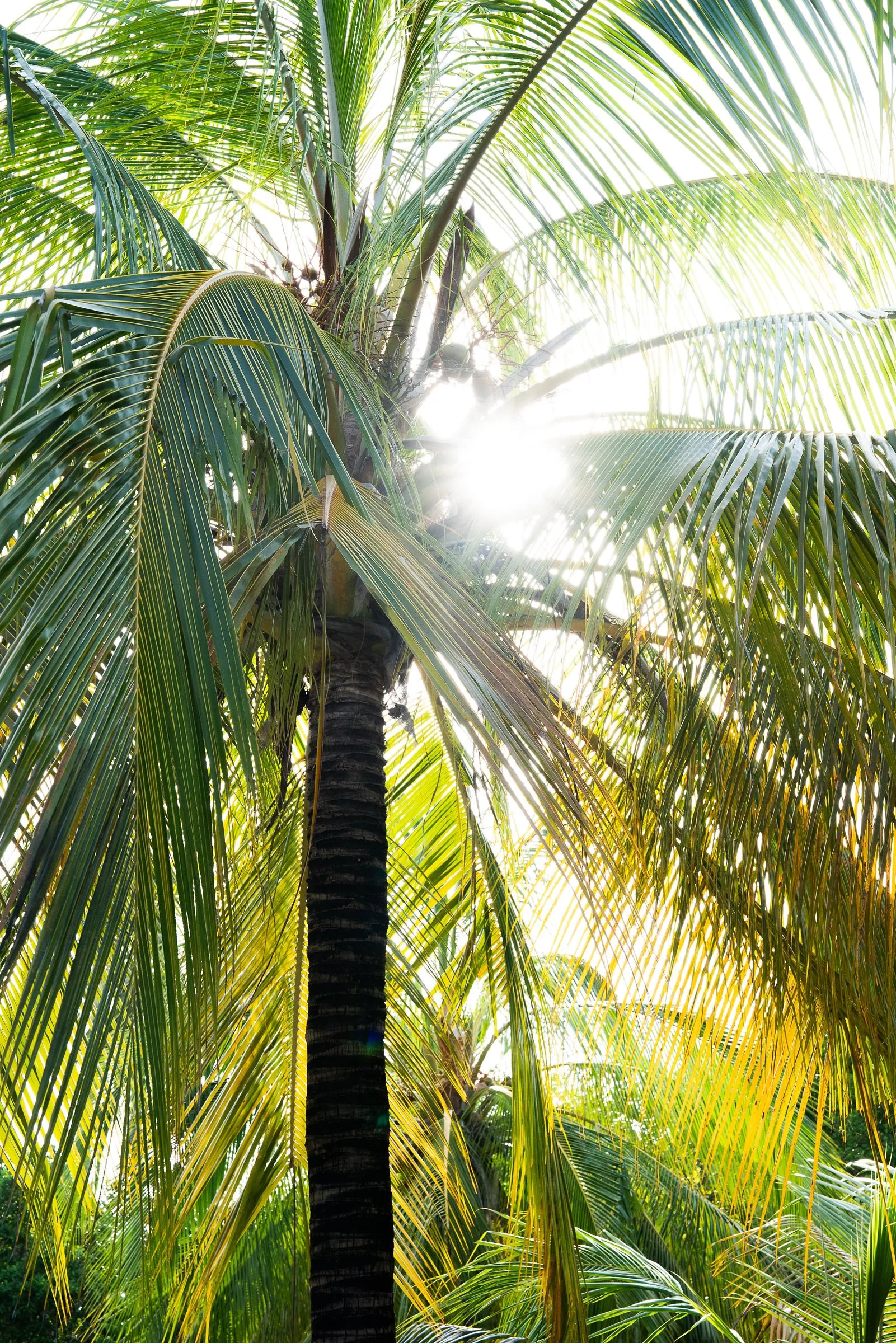
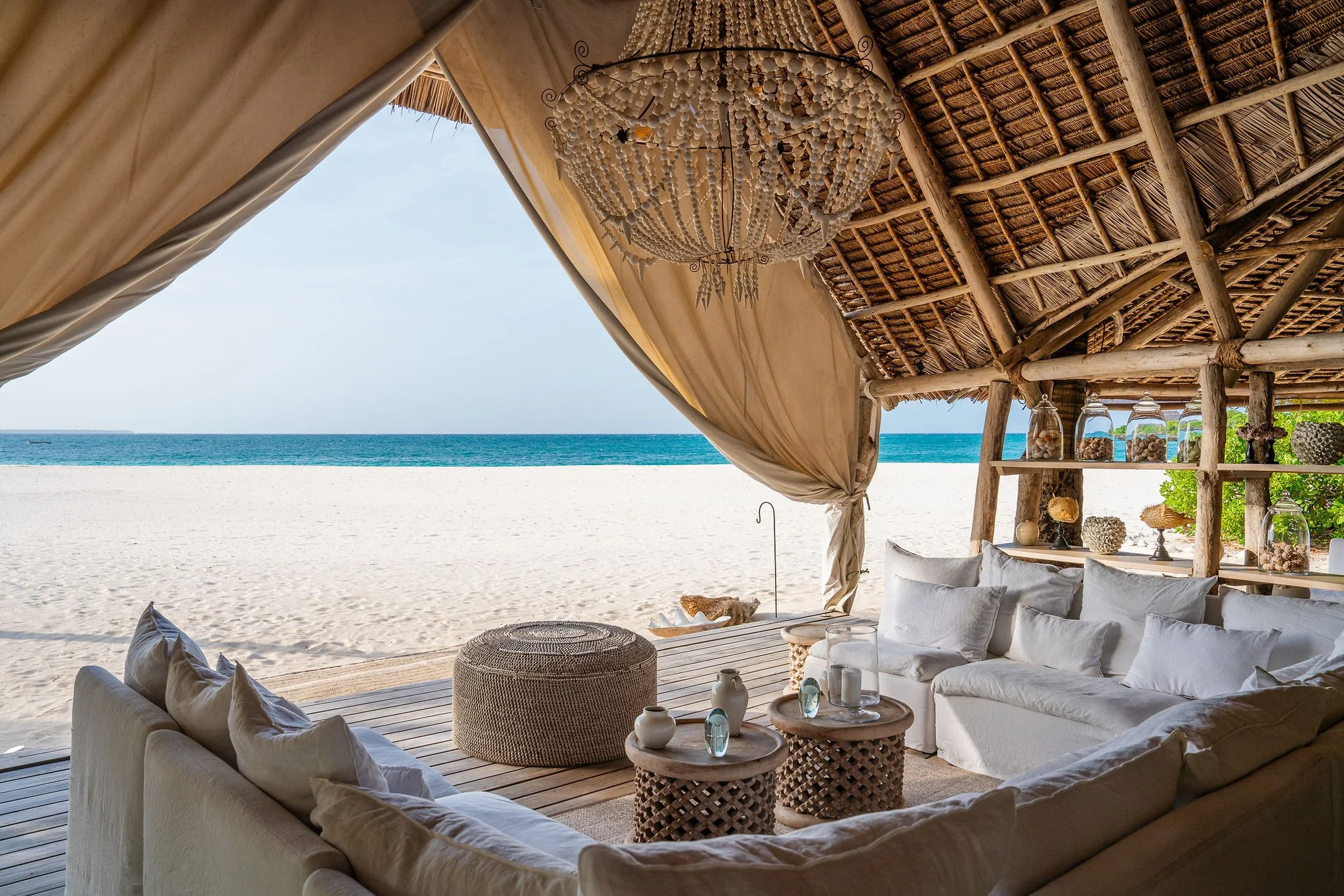
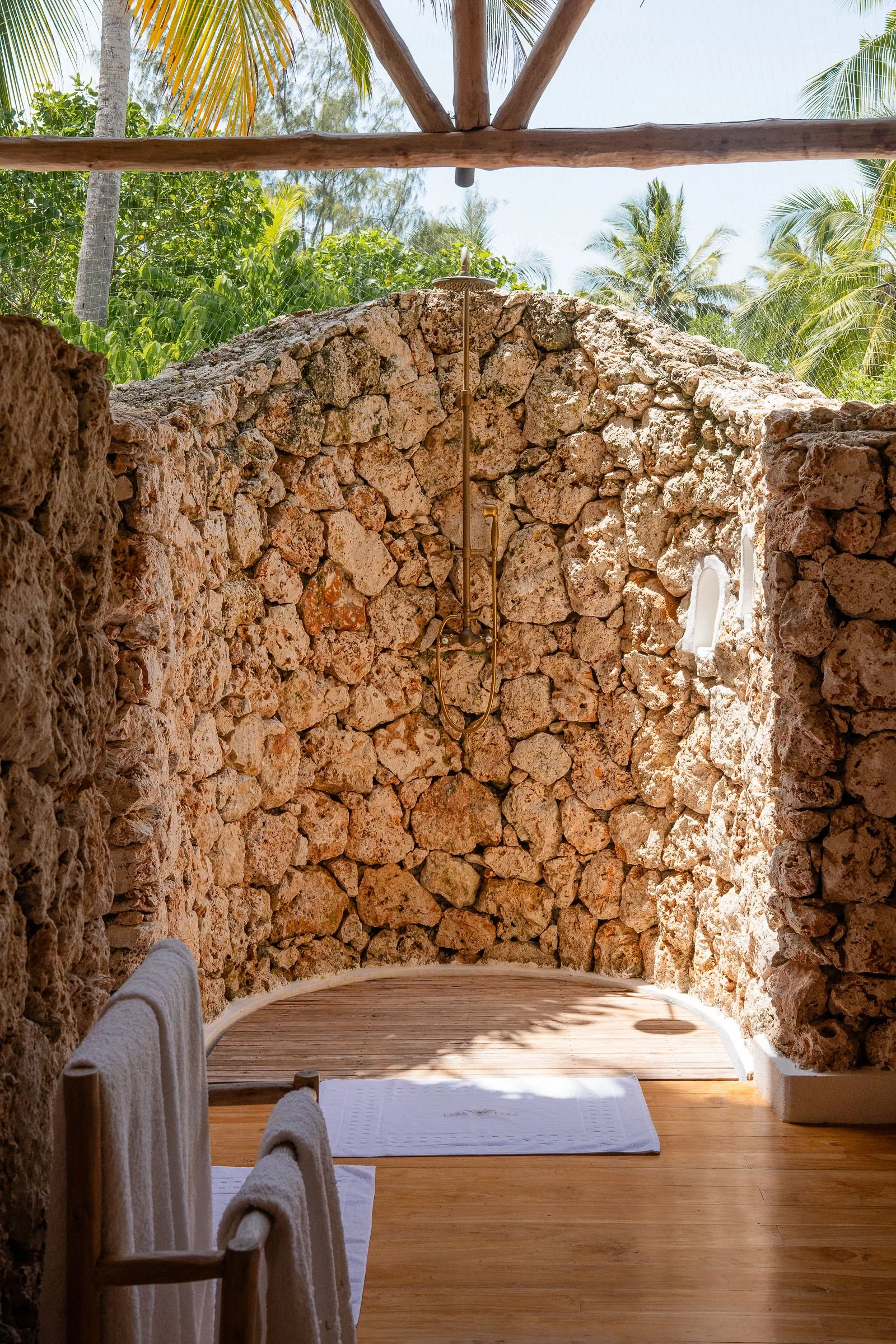
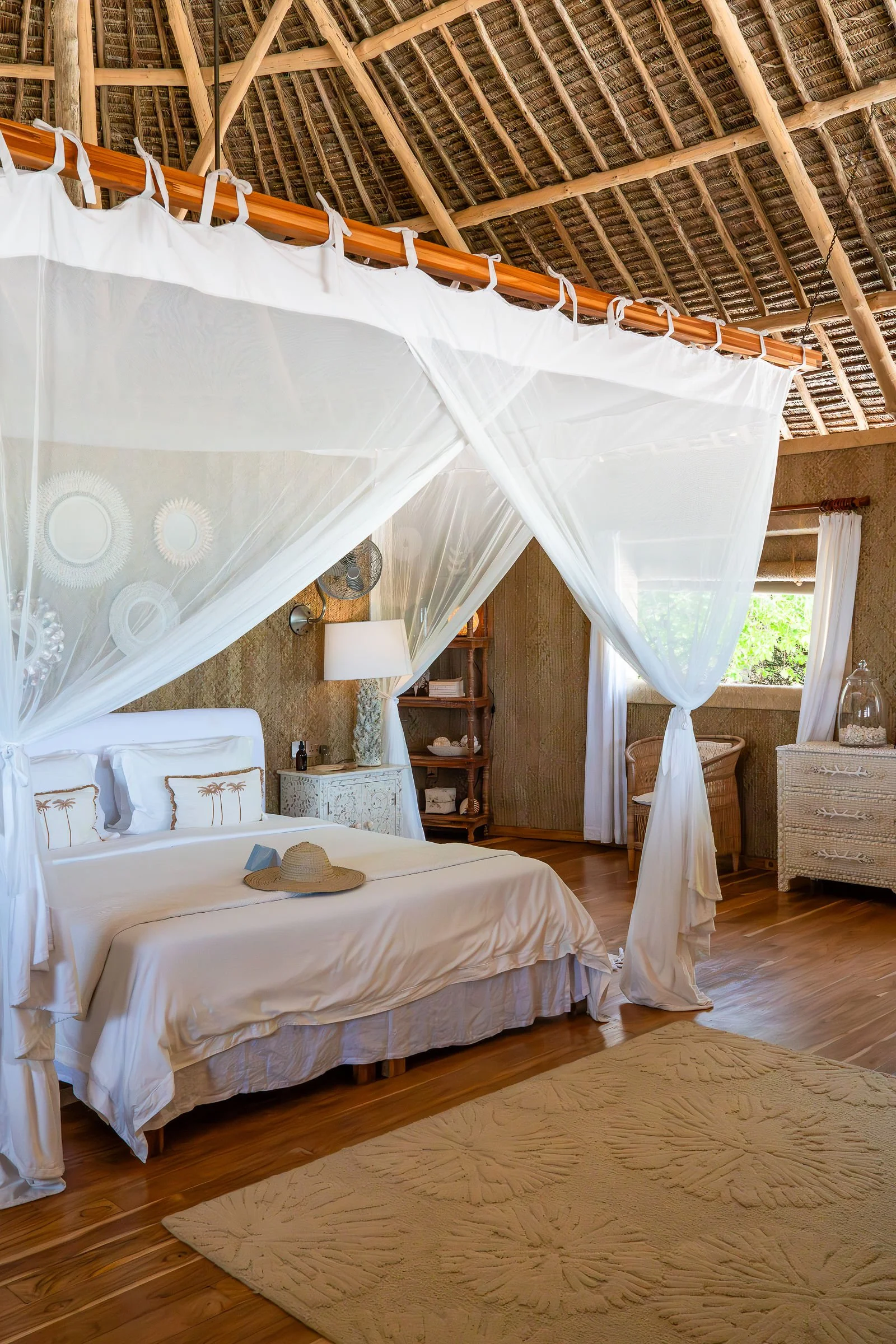
Rather than a single standard layout, the island’s accommodations are thoughtfully varied to suit different travelers - from couples seeking romance to families needing extra room. Every single villa is designed to face the Indian Ocean, offering uninterrupted sea views and direct access to the water. Some are classic A-frame beach villas tucked right into the palms where you step straight out onto soft white sand, while others are perched dramatically on the edge of the coral cliffs, offering panoramic sunset views and private stairs leading directly down into the reef below.
For families or larger groups traveling together, dedicated multi-room configurations provide seamless space and privacy without sacrificing the island's signature open-air charm. The crown jewel of the island is the Coral Manor - an expansive 350-square-meter beachfront residence with a private terrace and sweeping ocean outlooks, making it the ultimate private haven (and where the owners themselves stay when on the island).
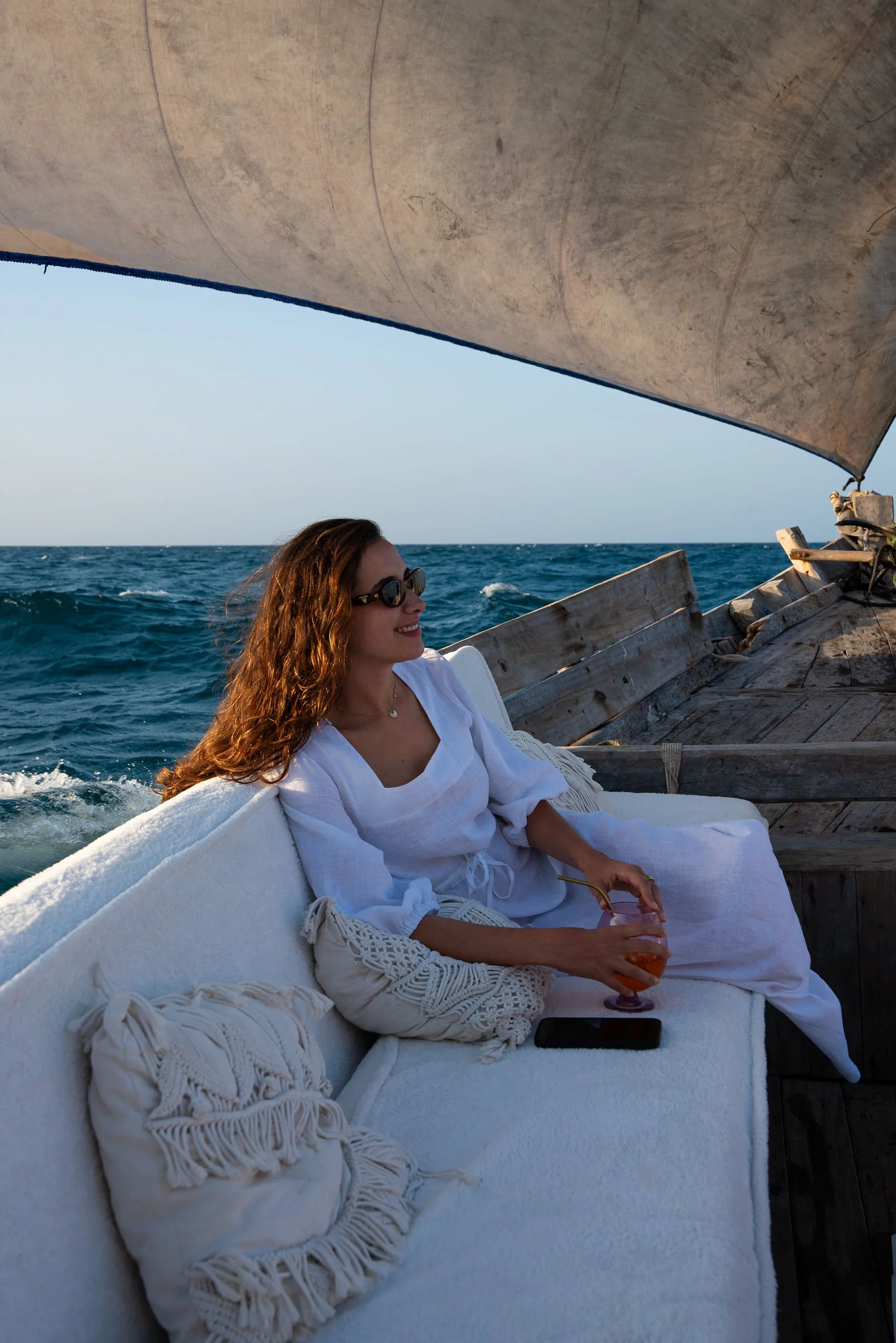
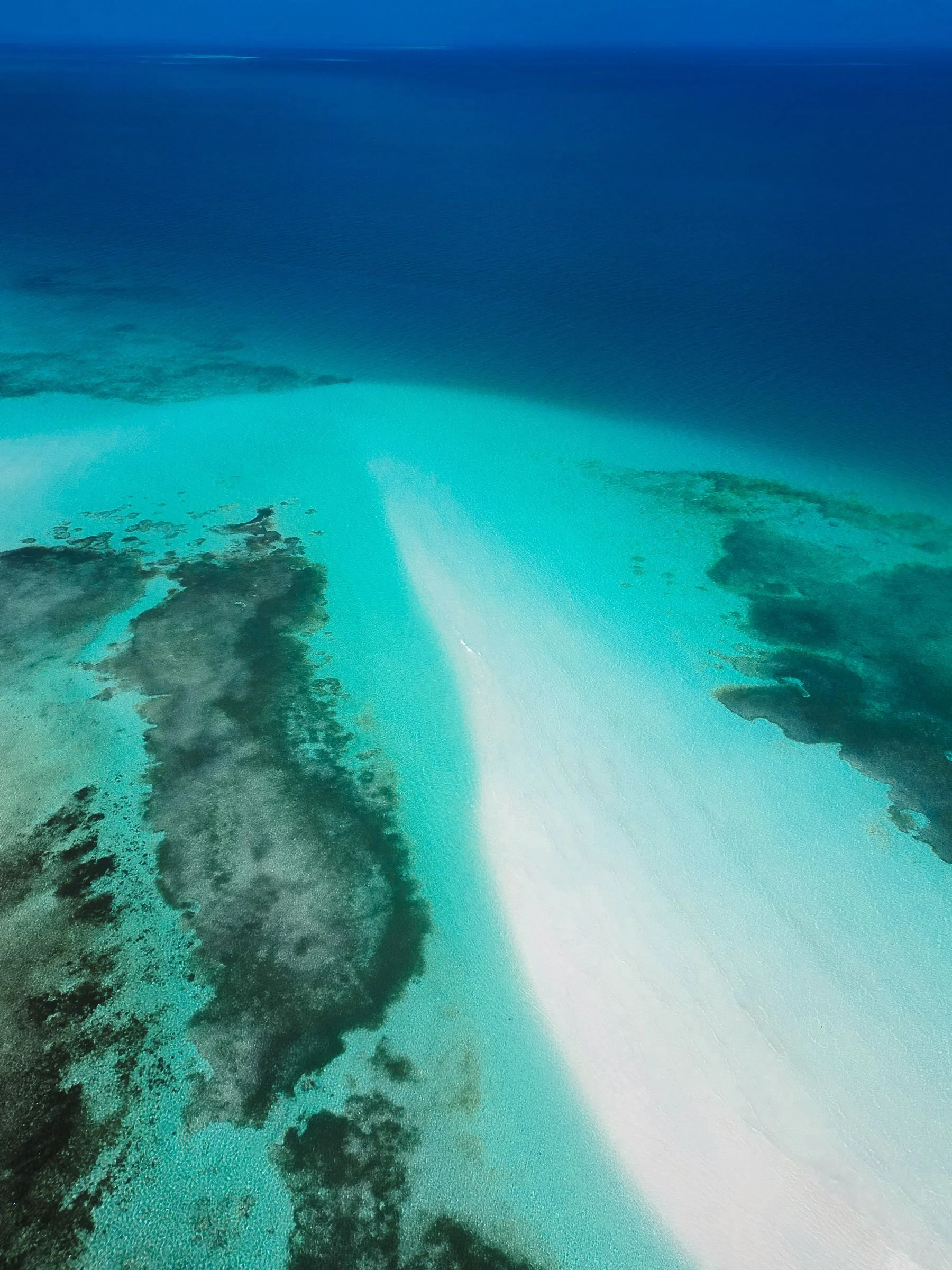
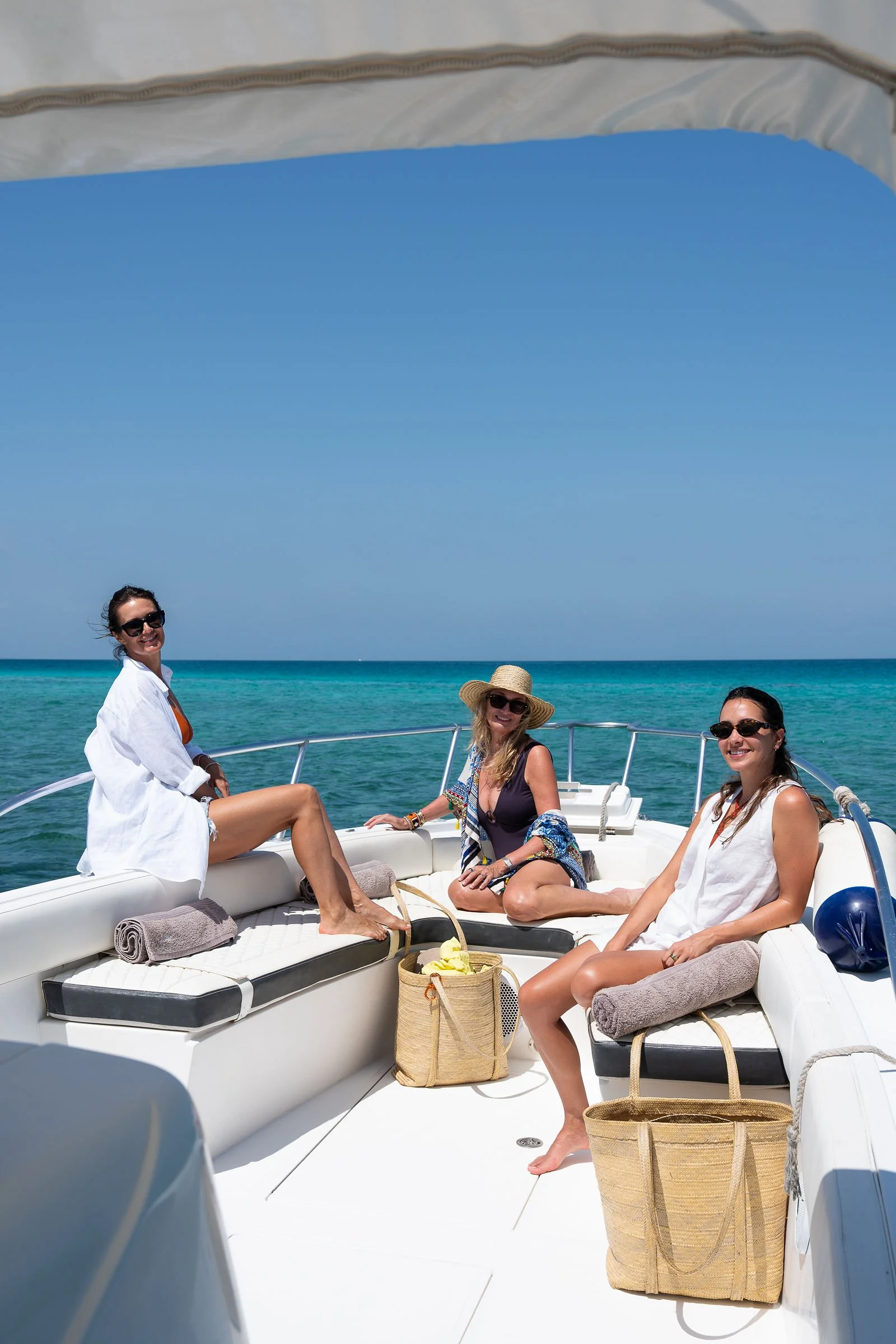
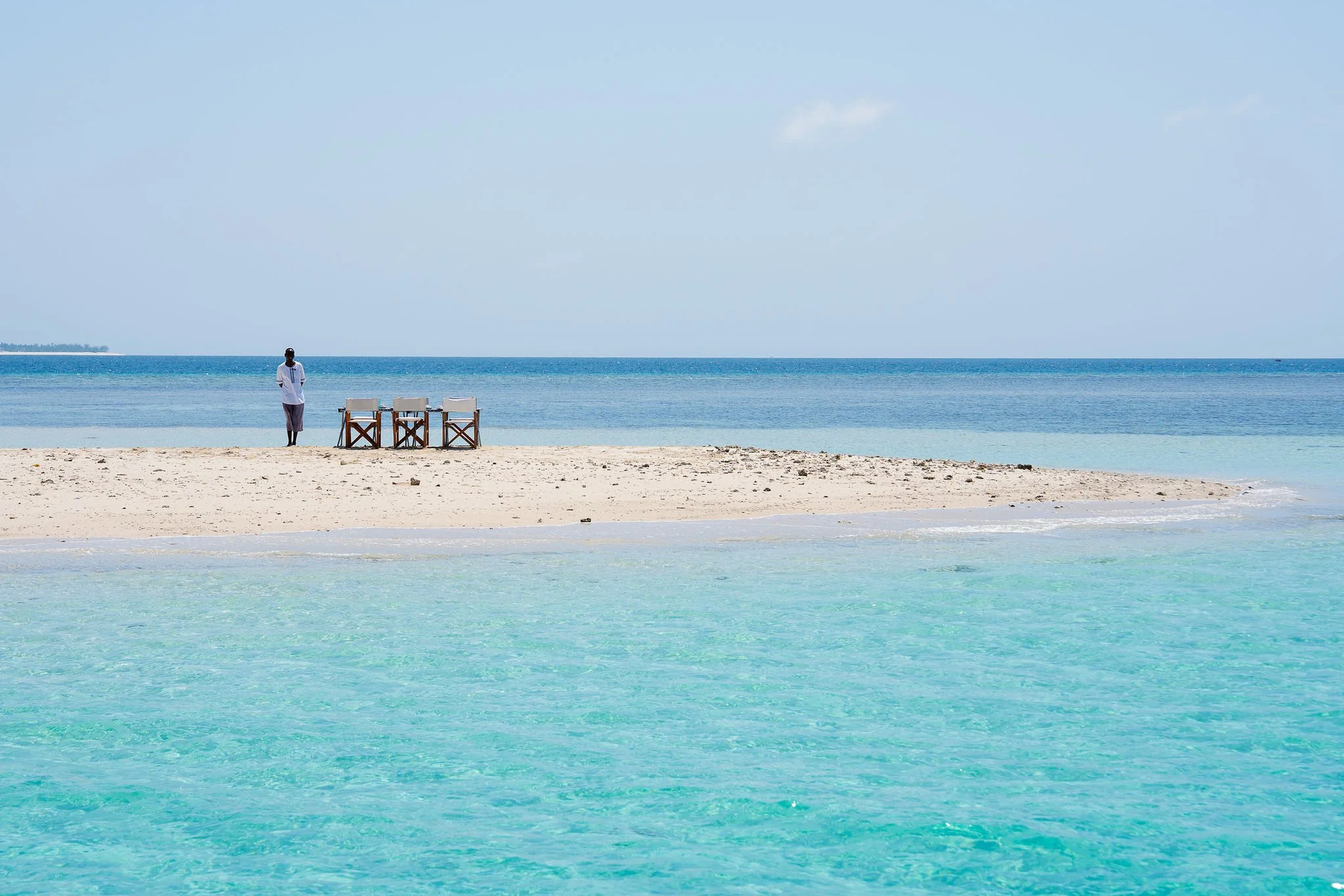
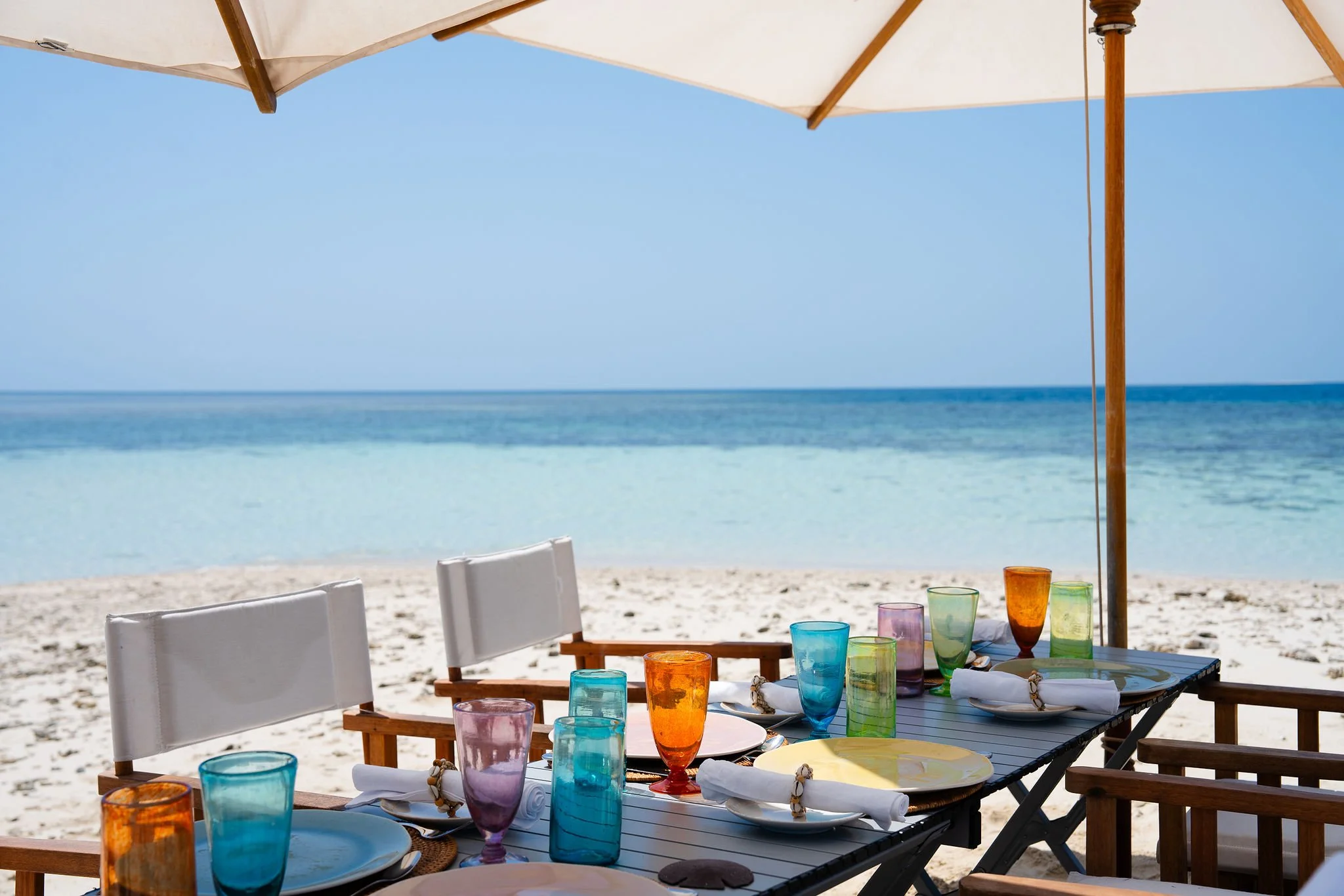
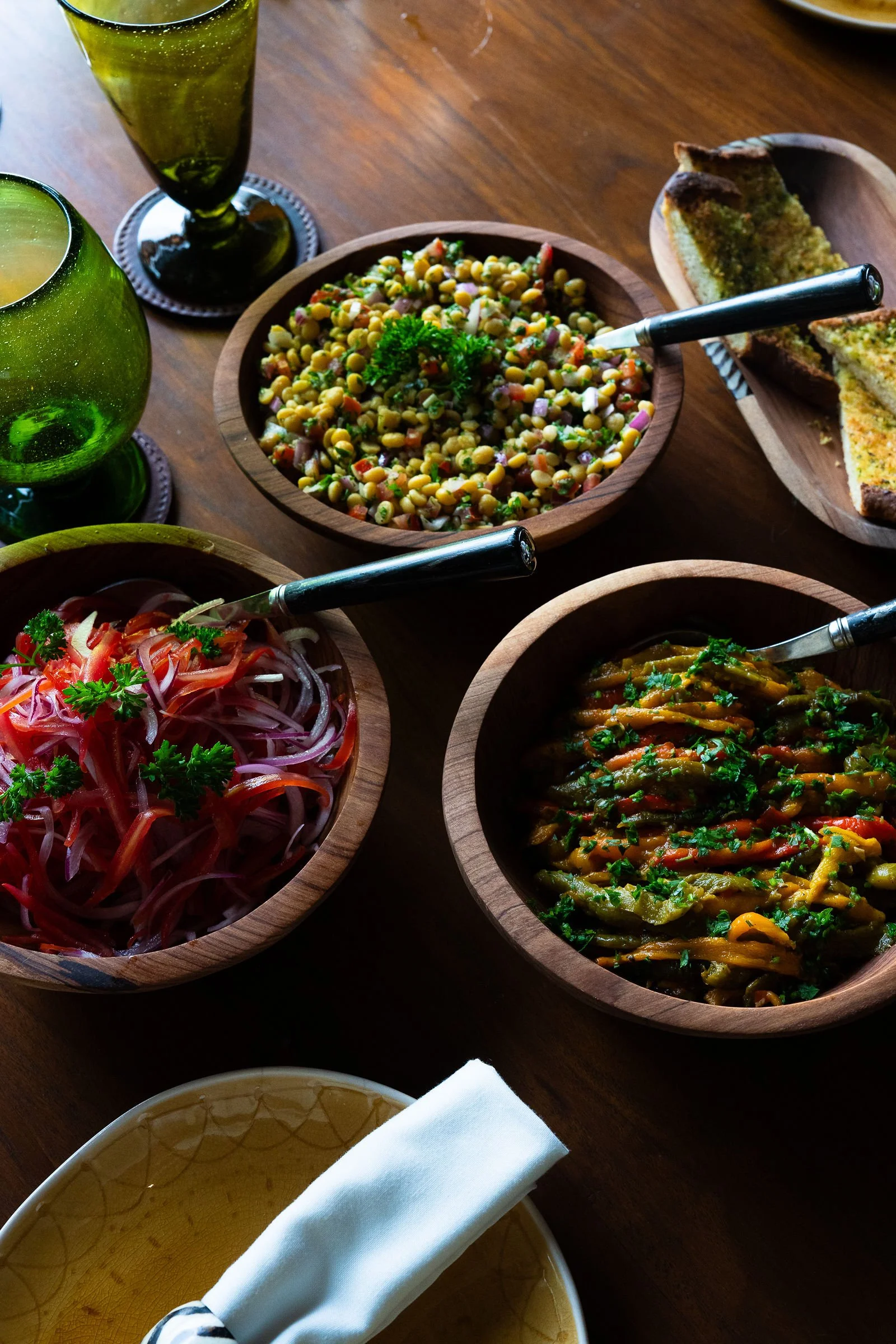
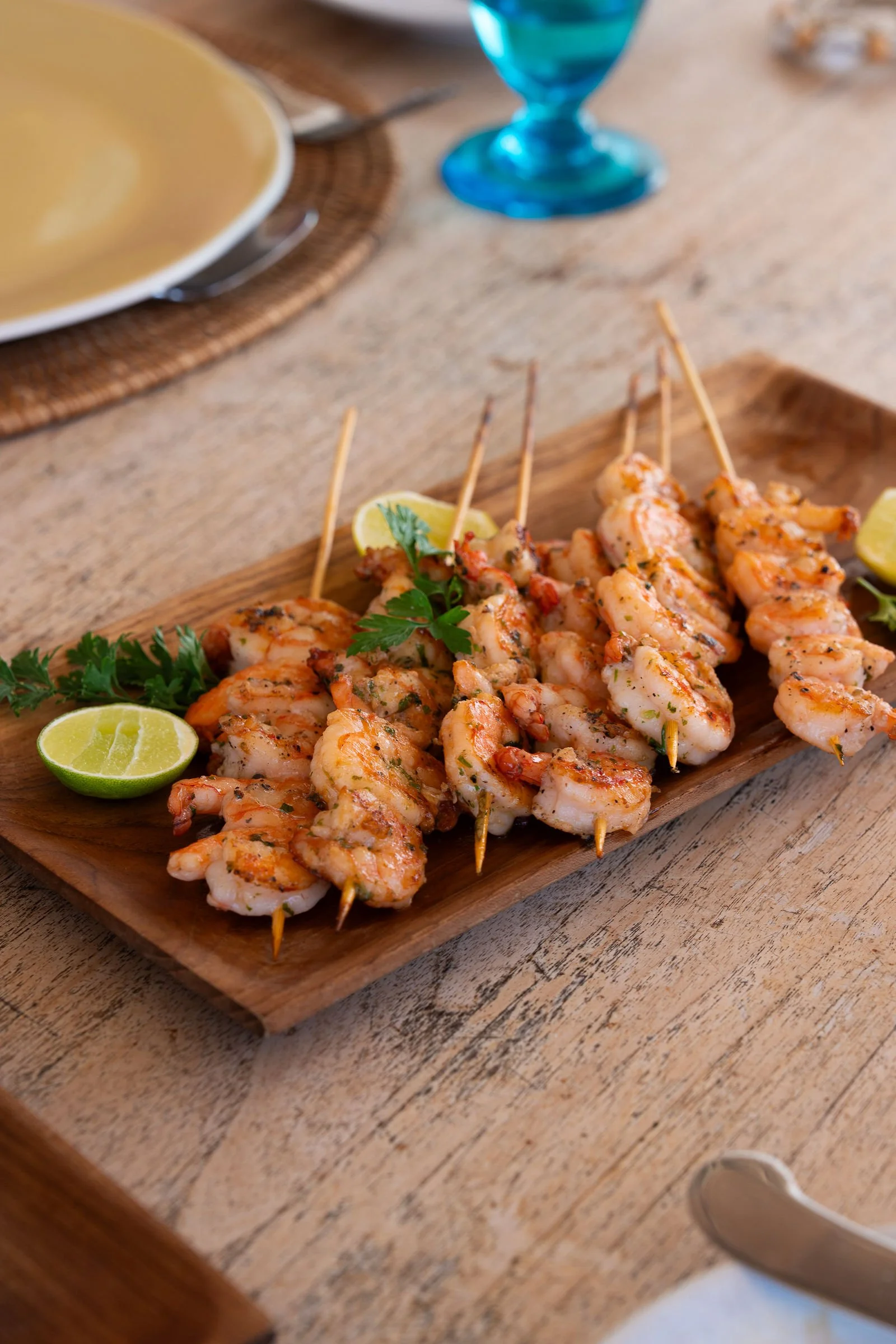
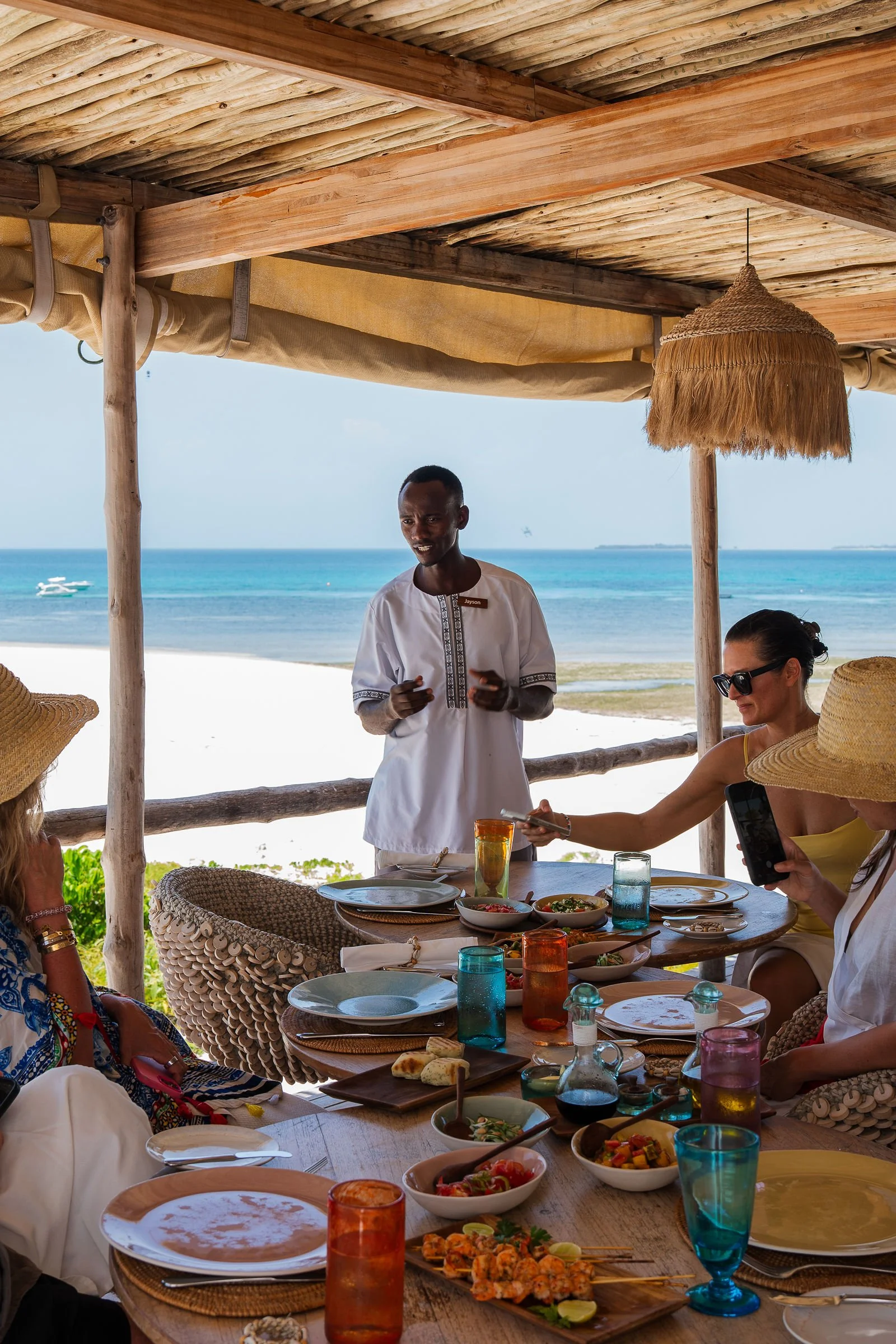
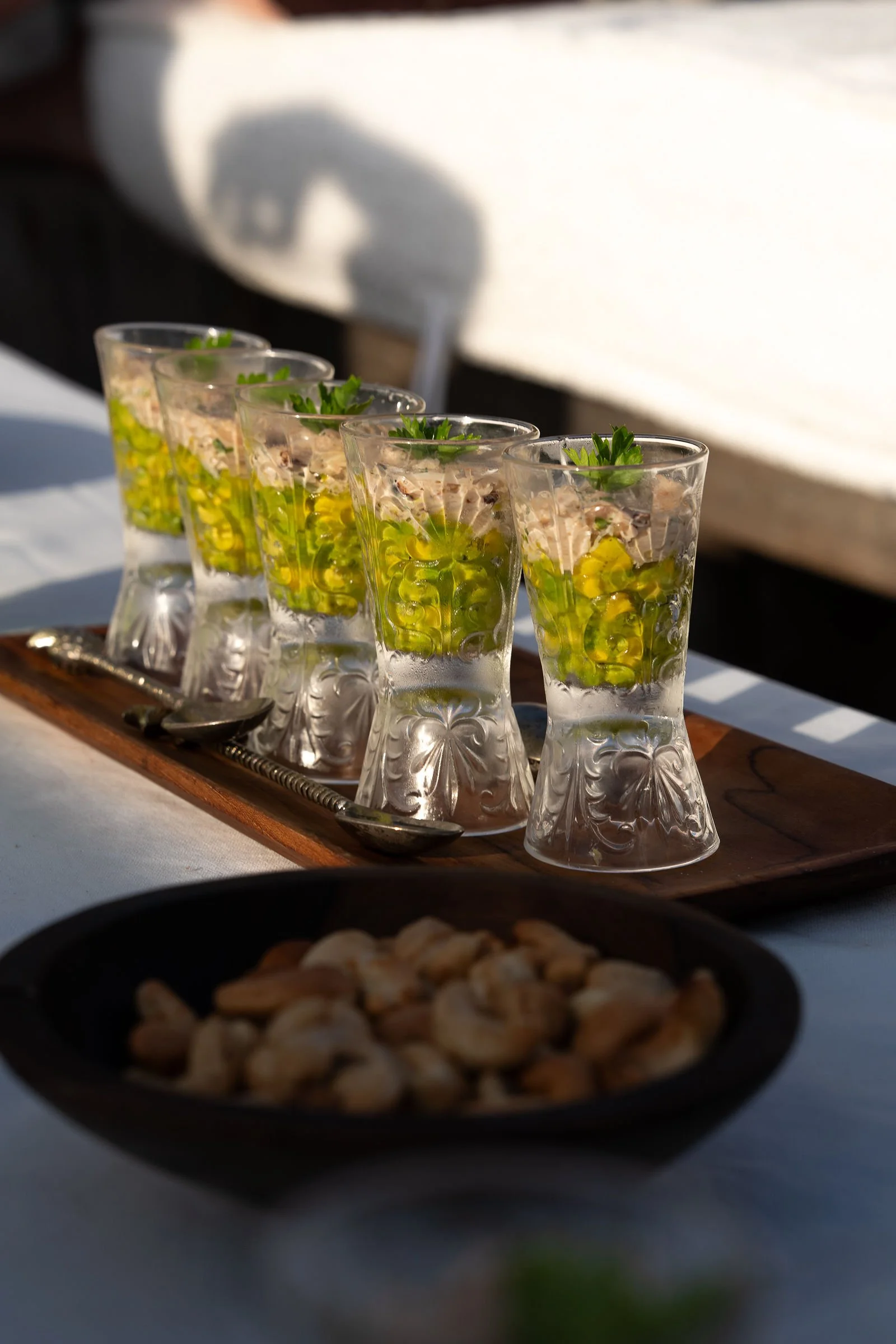
The culinary experience on Fanjove is truly outstanding. The kitchen crafts every menu around whatever the local fishermen bring in fresh that morning, paired with organic produce sourced directly from regional farms. The dishes are fresh, vibrant, and deceptively simple, letting the quality of the ingredients shine through whether you are dining beneath the historic lighthouse, having lunch on a exposed sandbar, or watching the tide roll in from your private deck.
Elevating it all is the team on the ground. The staff at Fanjove were hands-down some of the finest, most attentive hospitality professionals I have ever encountered - sharp, incredibly warm, and operating with a genuine passion for the island that you feel in every interaction.
The island’s daily flow is shaped by dramatic tides. High tide brings the sea right to your doorstep, while low tide reveals expansive reef beds perfect for guided snorkeling alongside resident turtles and dolphins. Guests can enjoy sandbar lunches, sunset dhow sails, island bike rides, or seasonal whale shark excursions to nearby Mafia Island (October through December). Off the radar, Fanjove also operates with impressive eco-conscious integrity: running entirely on solar power, harvesting rainwater with advanced desalination, and employing staff primarily from neighboring Songo Songo island to support local sustainable livelihoods.
Seasonality is key here. August through early December offers optimal conditions, whereas the higher humidity and insects during other months are far more noticeable in open-air, non-AC accommodations.
While Fanjove is barefoot and nature-led, it is far from rustic - it's beautifully chic and thoughtfully elevated. It offers a distinctly different kind of luxury: one defined not by traditional resort formalities, but by total remoteness, effortless style, and the completeness of the disconnect.
On combining all three
While each property stands on its own, experiencing the trilogy together creates a seamless journey:
Service Continuity: Sharing one operational philosophy means your personal preferences travel with you across properties, making a multi-leg journey feel like one cohesive stay.
Logistical Ease: Staying within Tanzania eliminates cross-border logistics, extra visa requirements, and transit complications.
Natural Arc: The itinerary flows naturally from the water-focused wilderness of Siwandu, to the elevated game viewing and hot springs of Jongomero, concluding with the ocean sanctuary of Fanjove.
Who this is for (and who it isn’t)
This collection is not meant for a standard first-time safari or travelers who gauge quality by traditional lobby amenities and enclosed luxury. It is designed for the discerning traveler seeking deep immersion in places few others ever see - where having the only vehicle on a game drive or an entire island to yourself is the ultimate mark of luxury.
If that resonates with how you prefer to travel, Laba Laba is waiting.
Image Credit: dmAfrica, Sofia Molinaro and Sean Gibson Photography.