
Mongolia: One of the Few Places That Still Feels Truly Untouched
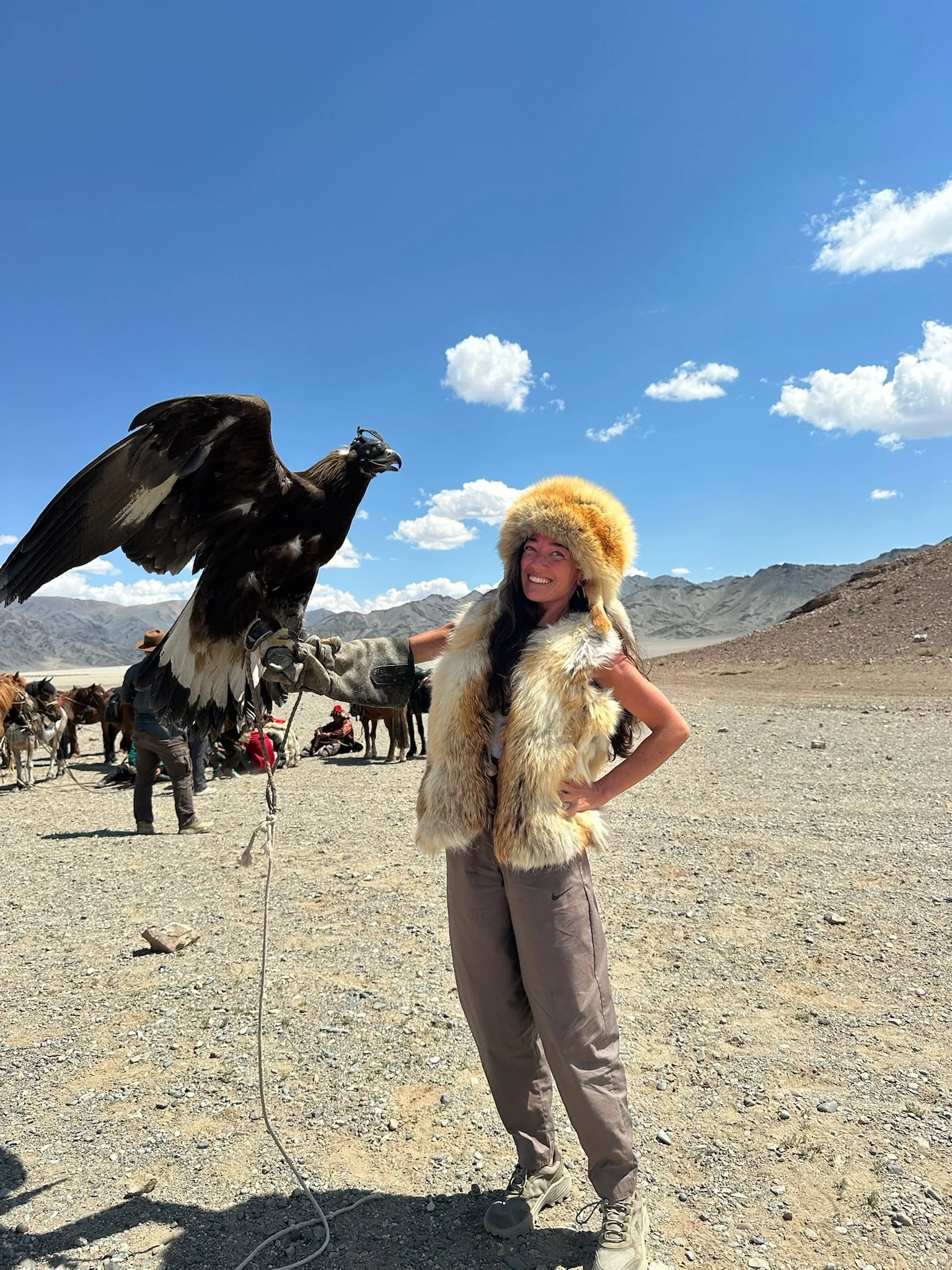
Mongolia had been on my list for a long time, largely because it seemed to offer something that is becoming increasingly difficult to find: a destination that still feels entirely like itself.
I recently spent ten days traveling through Ulaanbaatar, the Gobi Desert and Western Mongolia. I expected the landscapes to be extraordinary, but I hadn’t appreciated just how different each part of the country would feel, moving from desert to mountains, lakes and vast grasslands within a single trip.
More than anything, Mongolia feels remarkably untouched and authentic. Not untouched because there is nothing there, but because the country has not yet reshaped itself around tourism. You are entering Mongolia on its terms.
That also requires some honesty. Mongolia is not effortless, conventional luxury, and I wouldn’t recommend it to everyone. There are long drives, domestic flights, bumpy roads and moments where you do have to sacrifice some comfort. But for a well-traveled client looking for somewhere that still feels genuinely different, it is incredibly special.
Starting in Ulaanbaatar
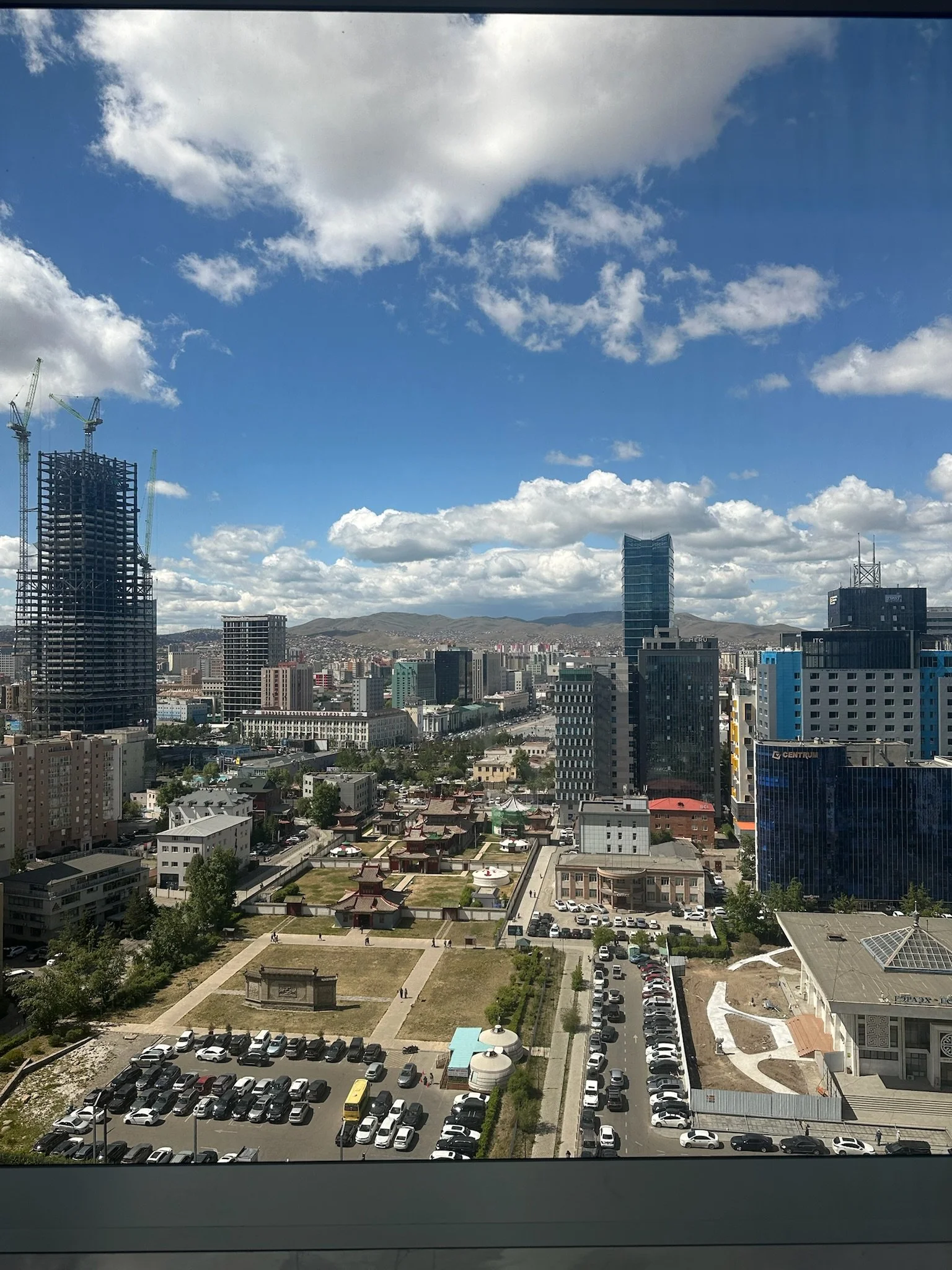
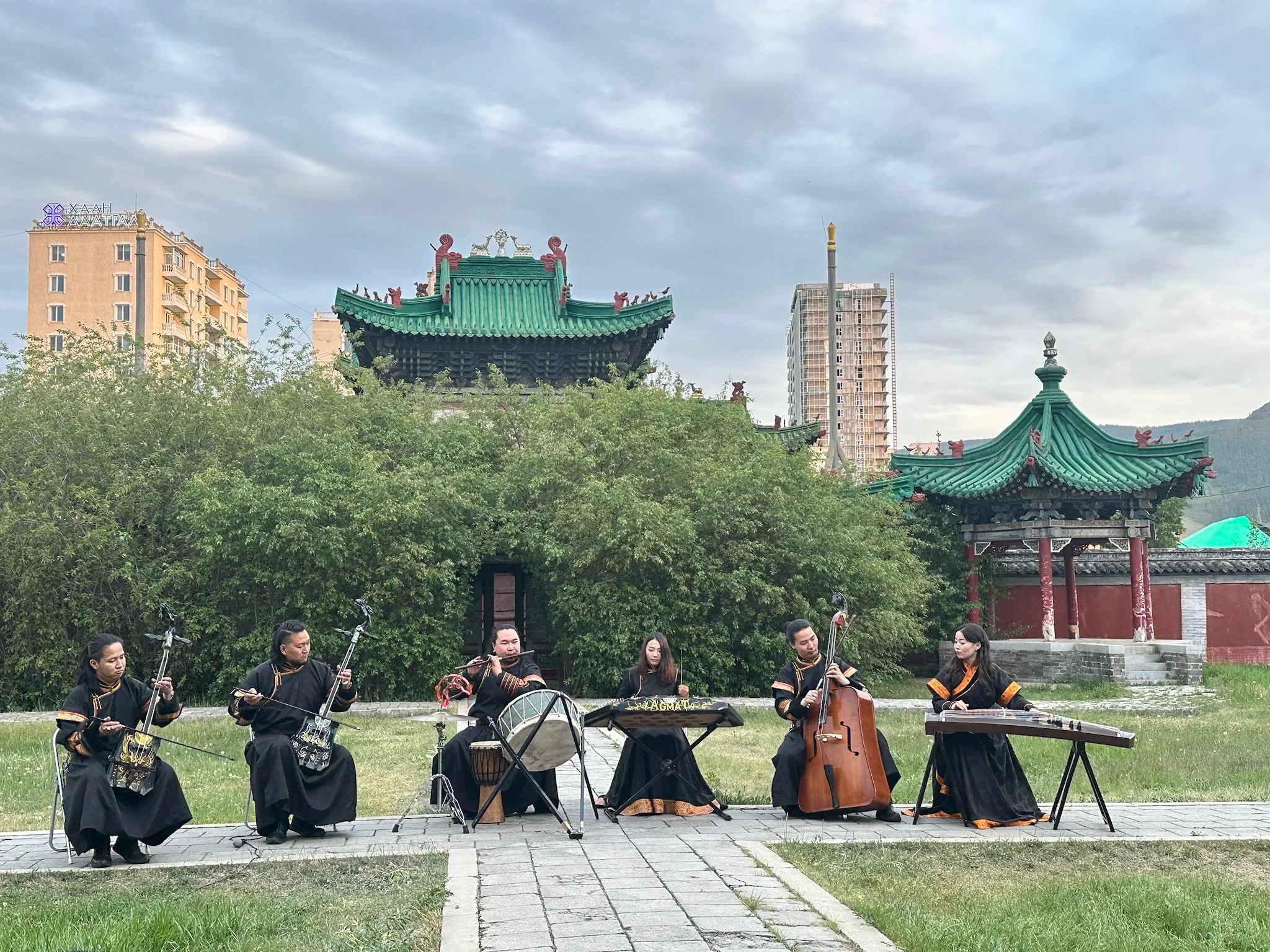
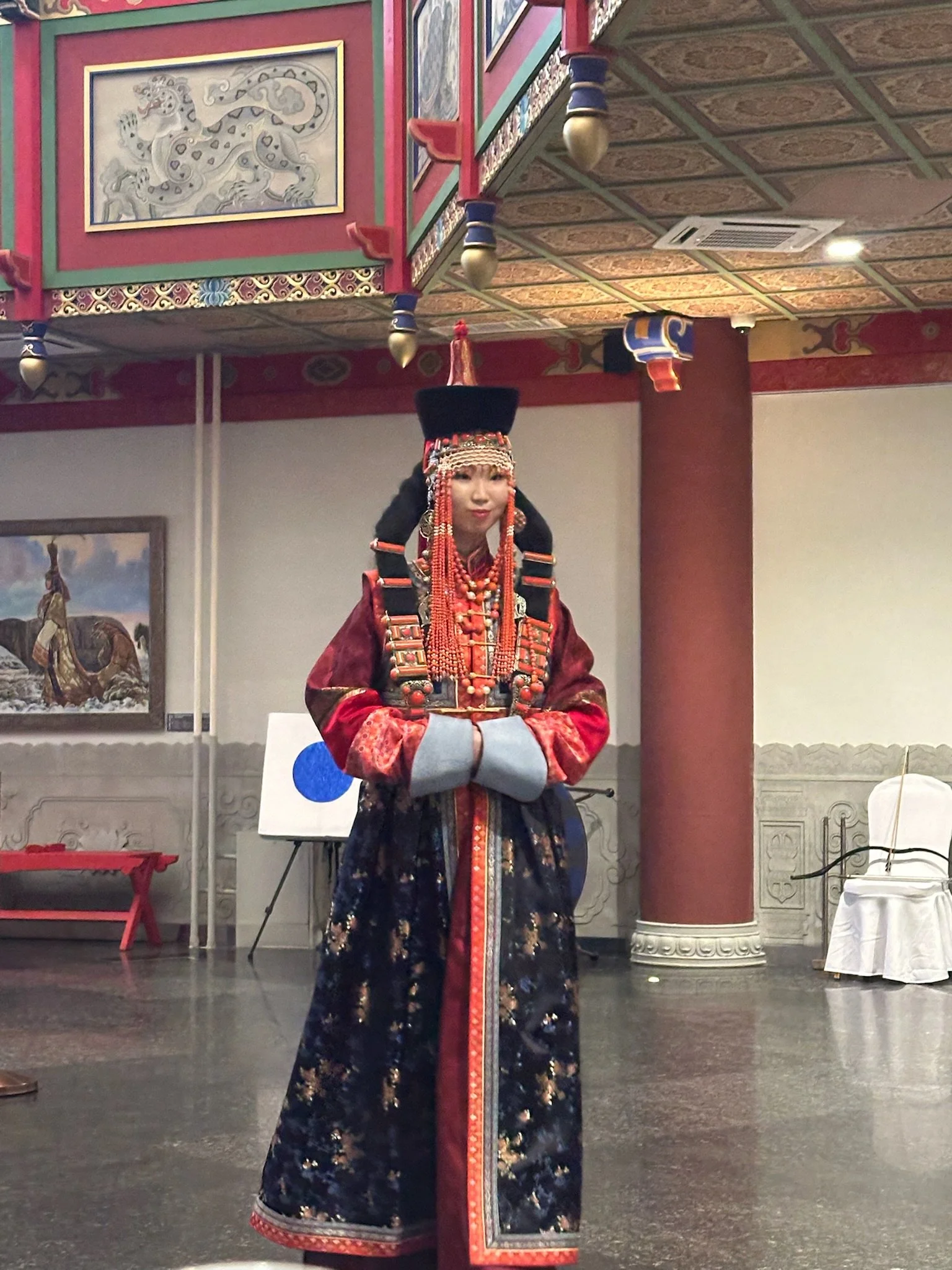
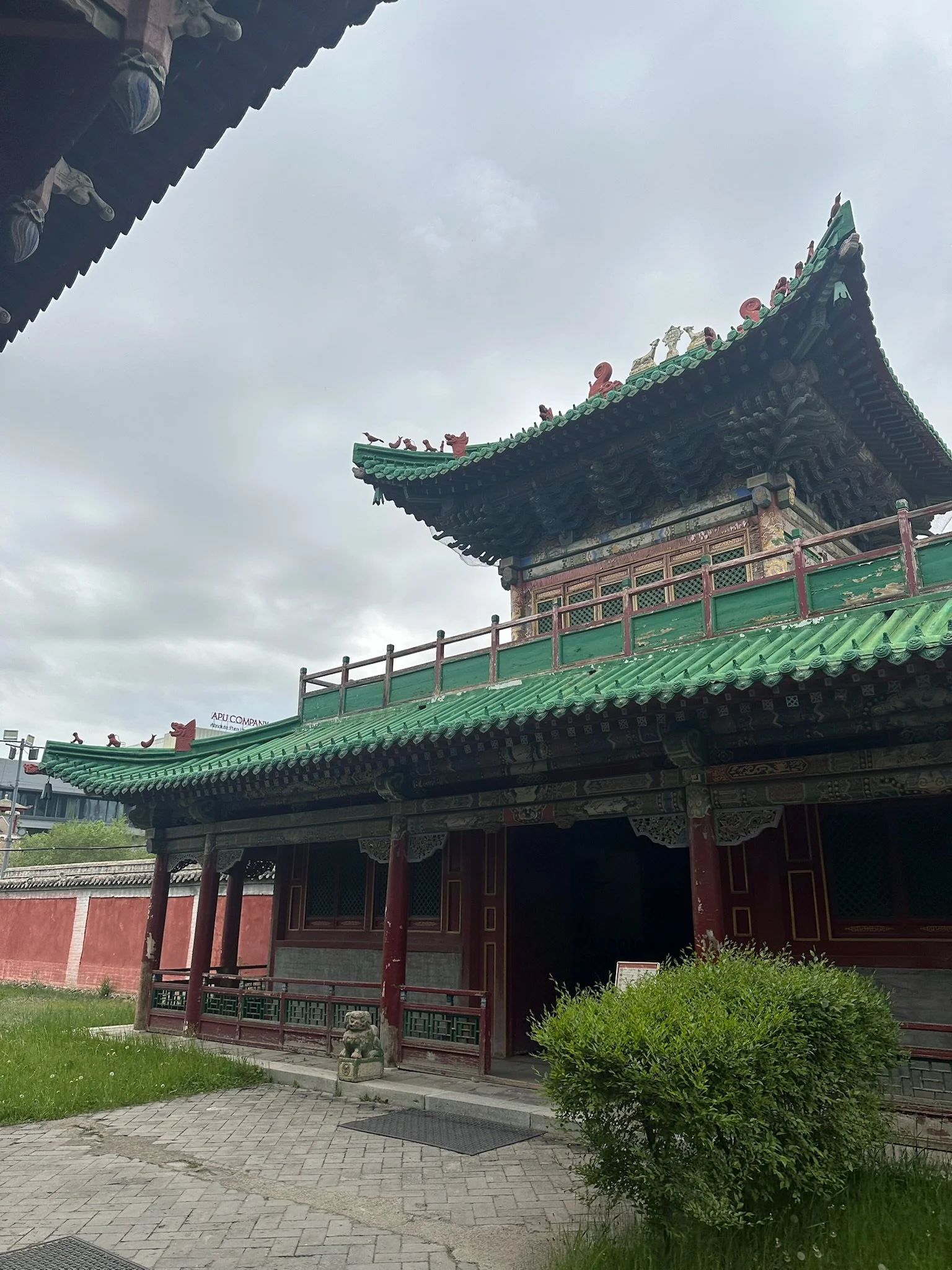
Most trips begin in Ulaanbaatar, and while the countryside is ultimately the reason to travel to Mongolia, some time in the capital gives useful context before heading into its more remote regions.
We stayed at Shangri-La Ulaanbaatar, probably the city’s strongest international luxury option and a very comfortable bookend to the trip. Rooms are generous, there are connecting options for families, several restaurants and a proper spa, pool, sauna and steam room.
Once you leave Ulaanbaatar, however, the definition of luxury changes considerably.
Mongolia has become surprisingly good at making extremely remote places comfortable without stripping them of what makes them special. The best camps may not have the infrastructure or endless amenities of an established luxury destination, but they offer something far harder to replicate: access.
Into the Gobi
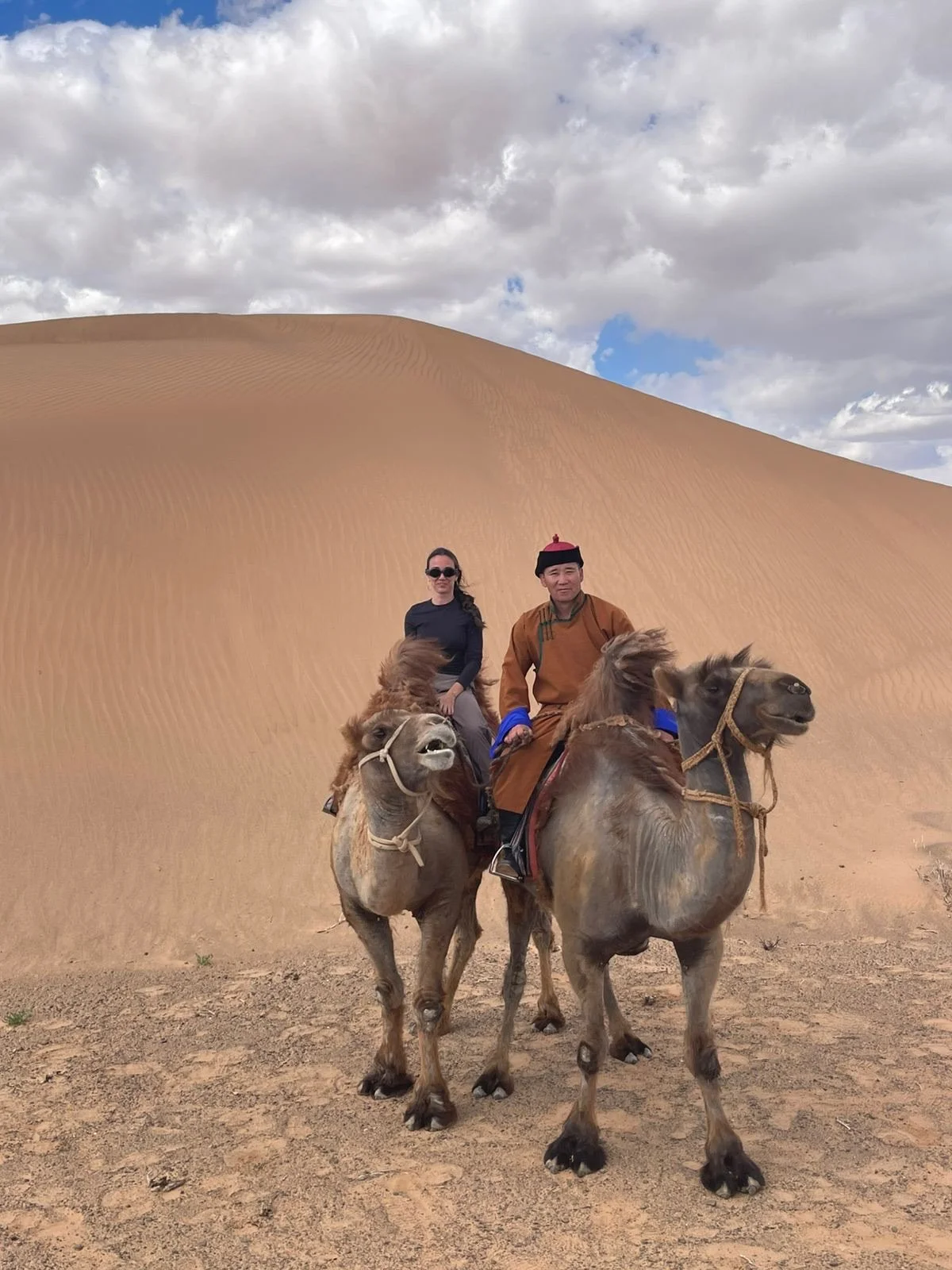
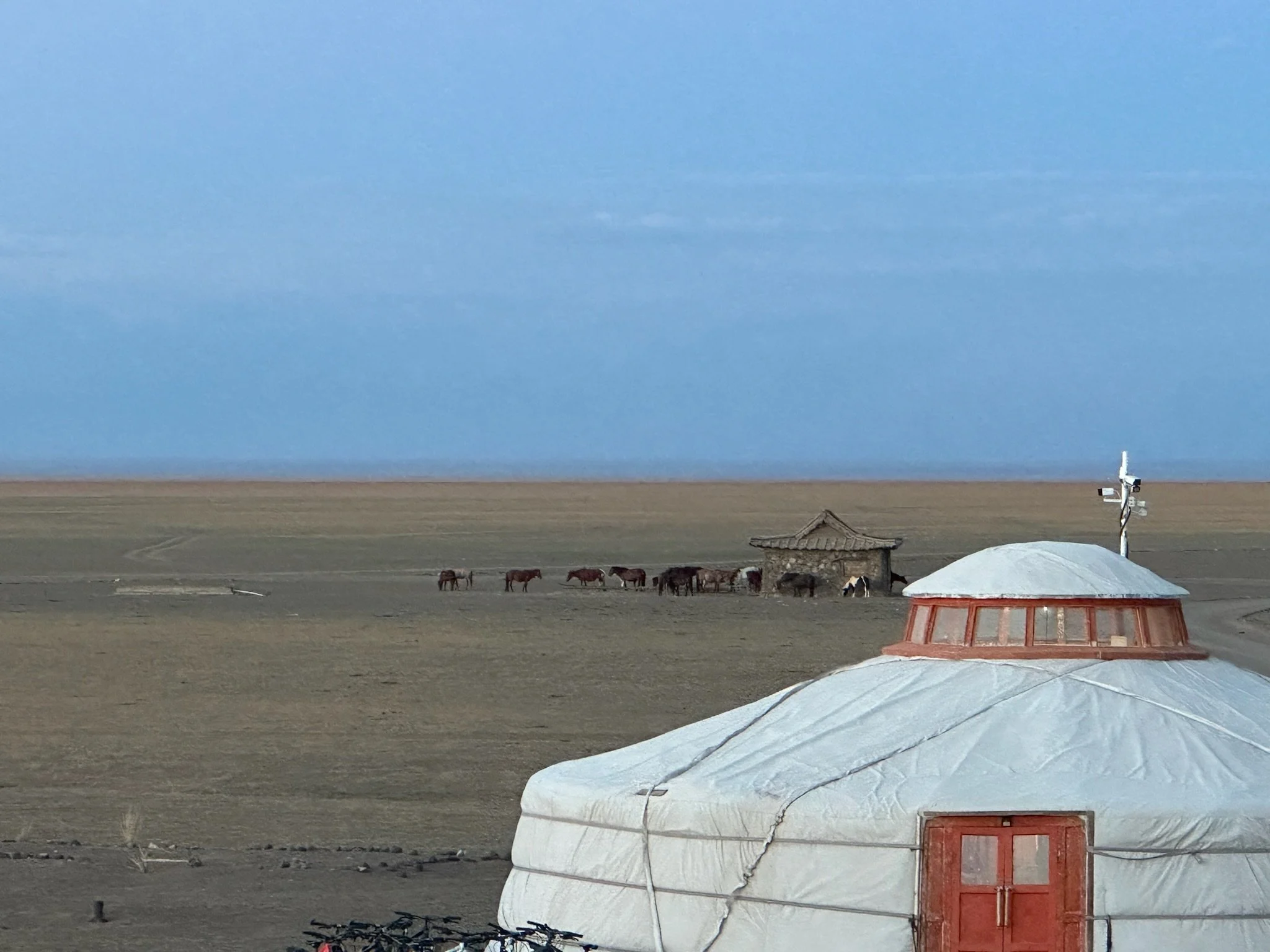
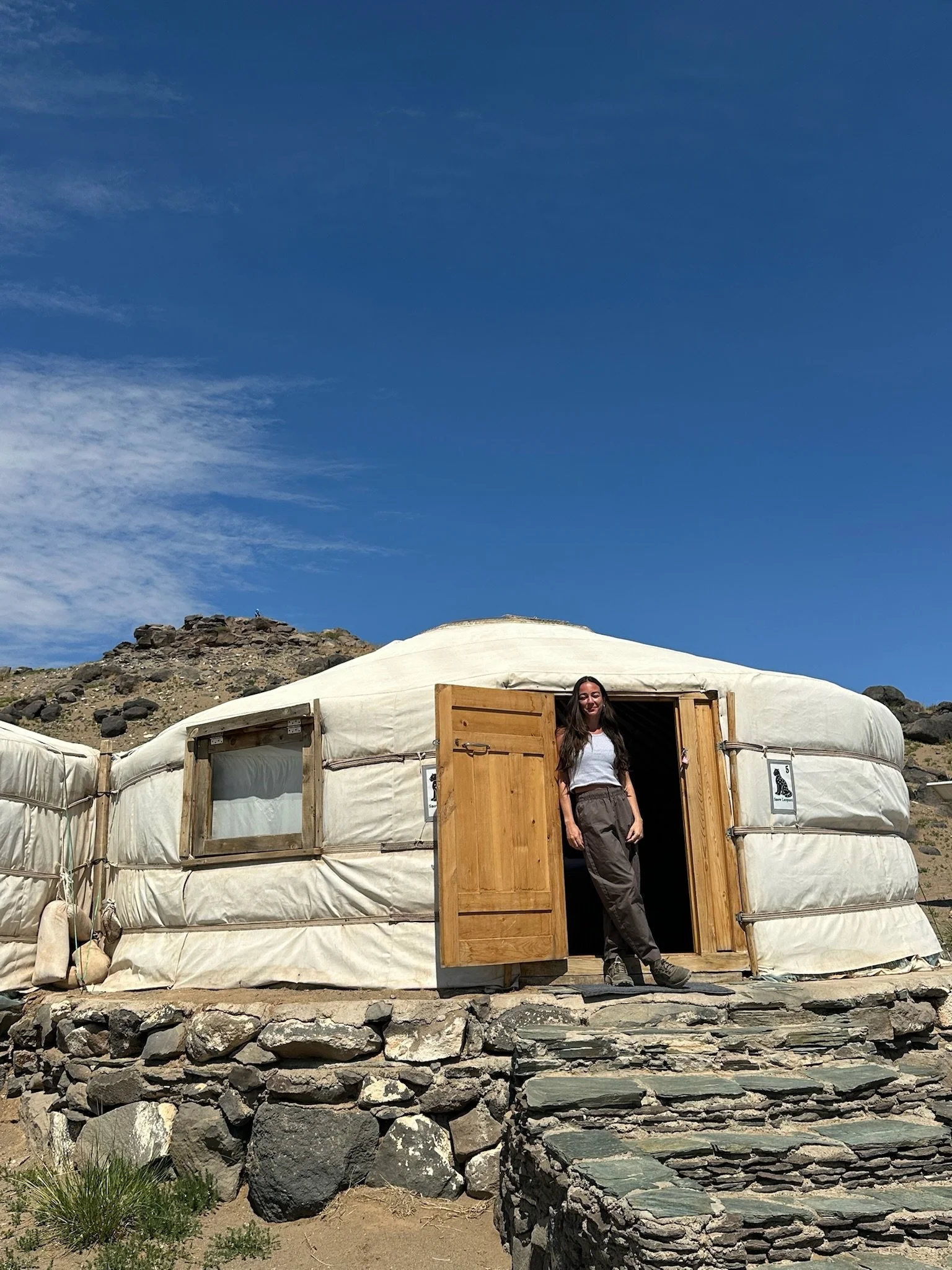
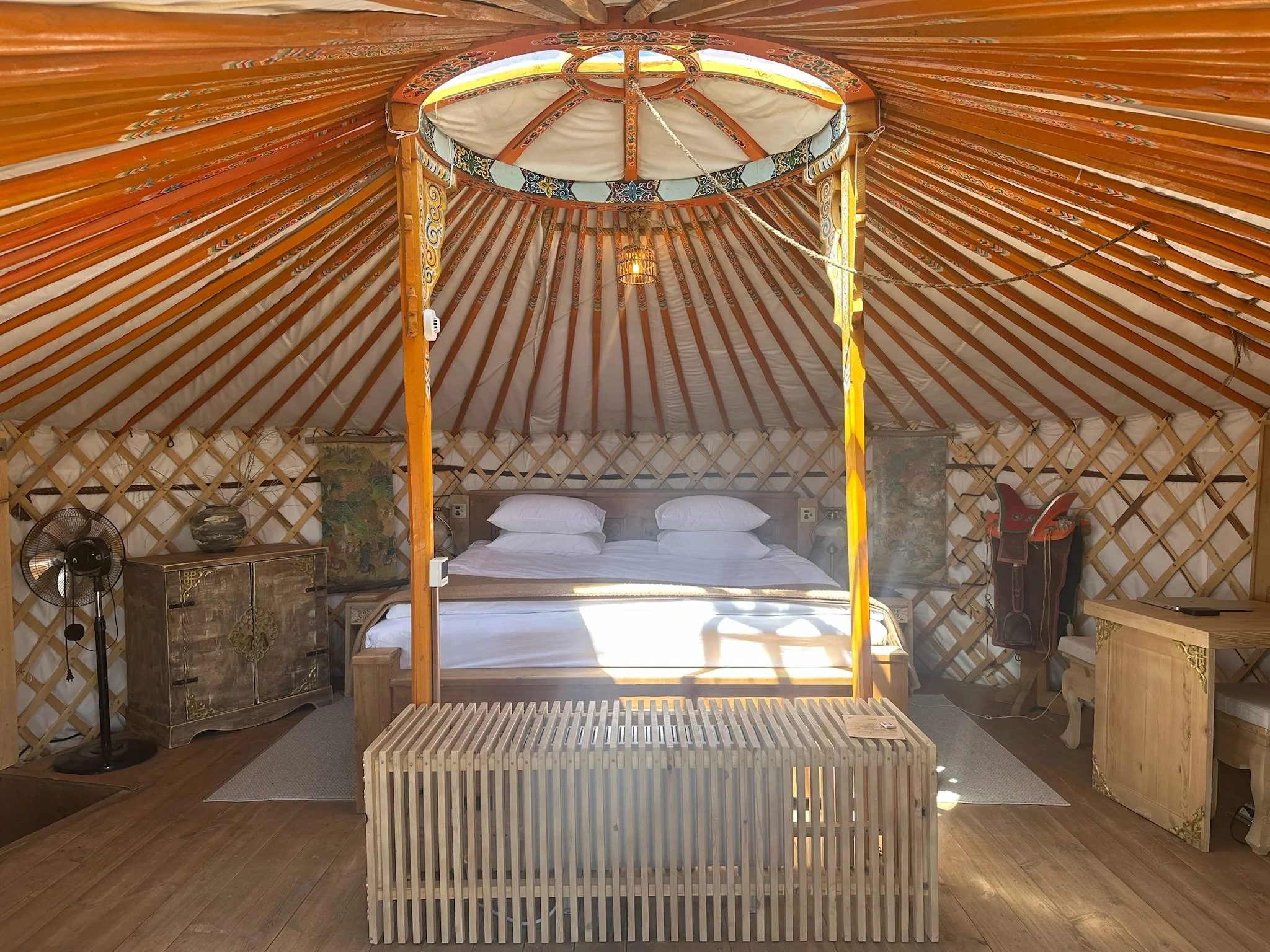
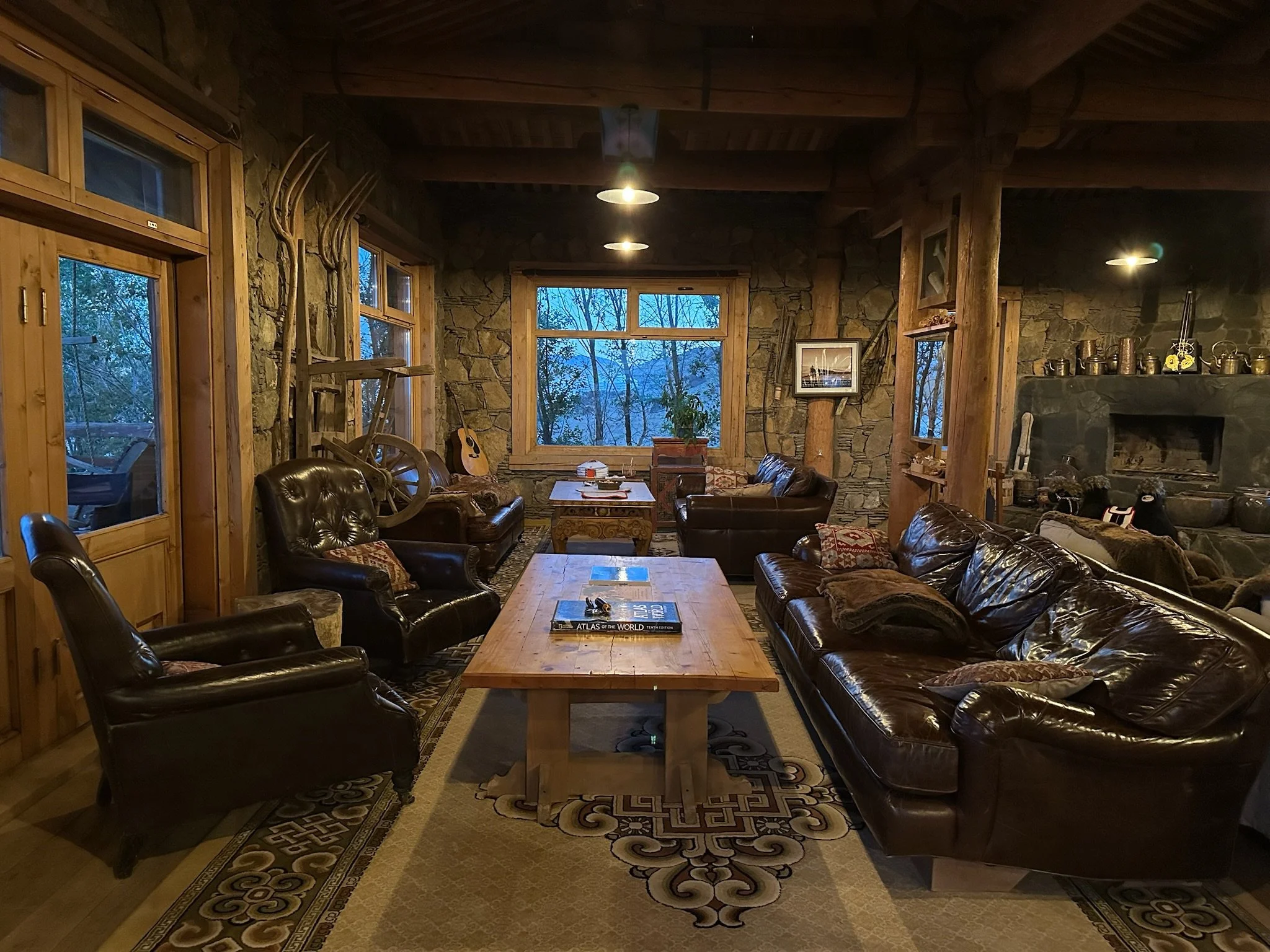
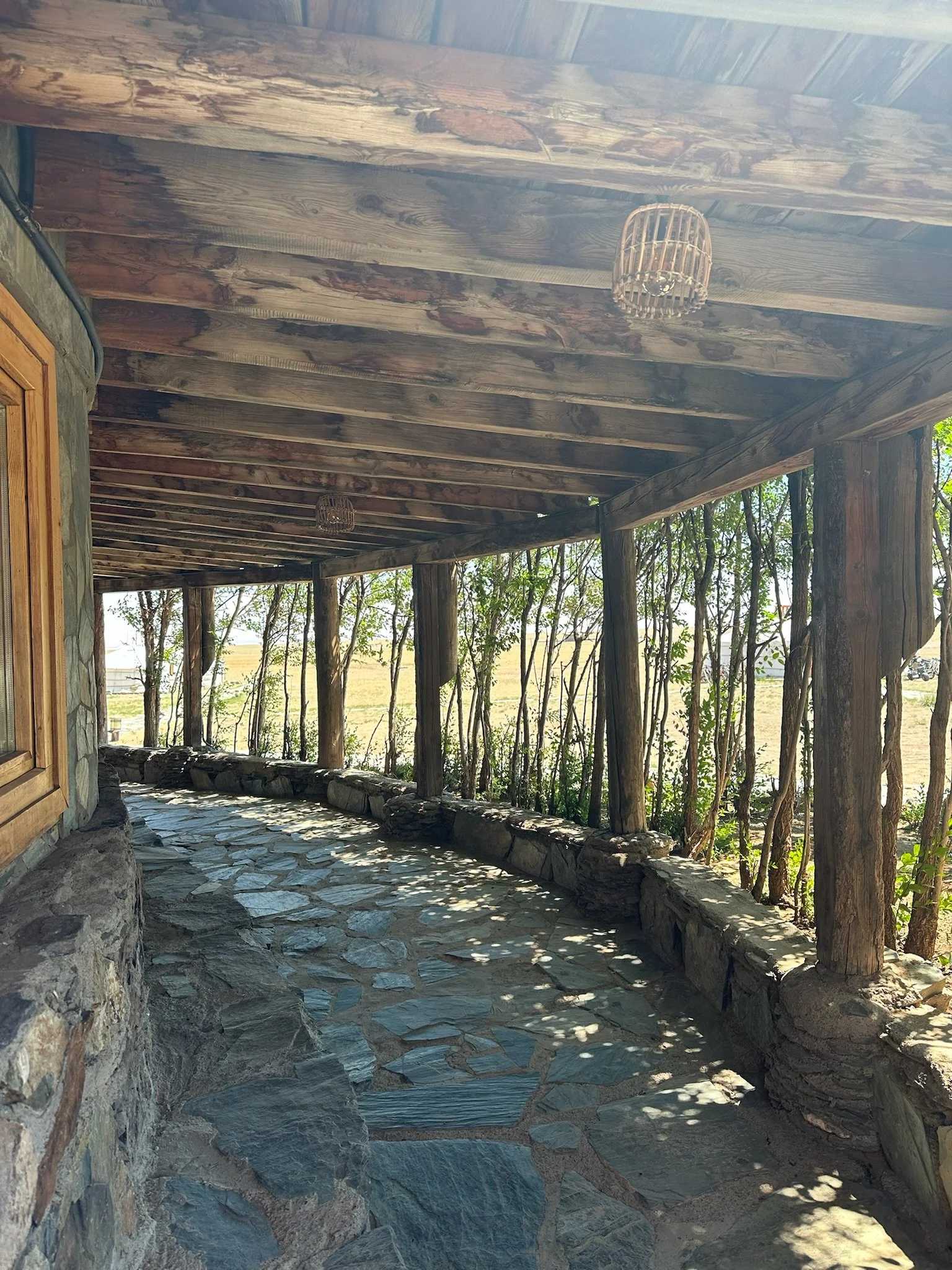
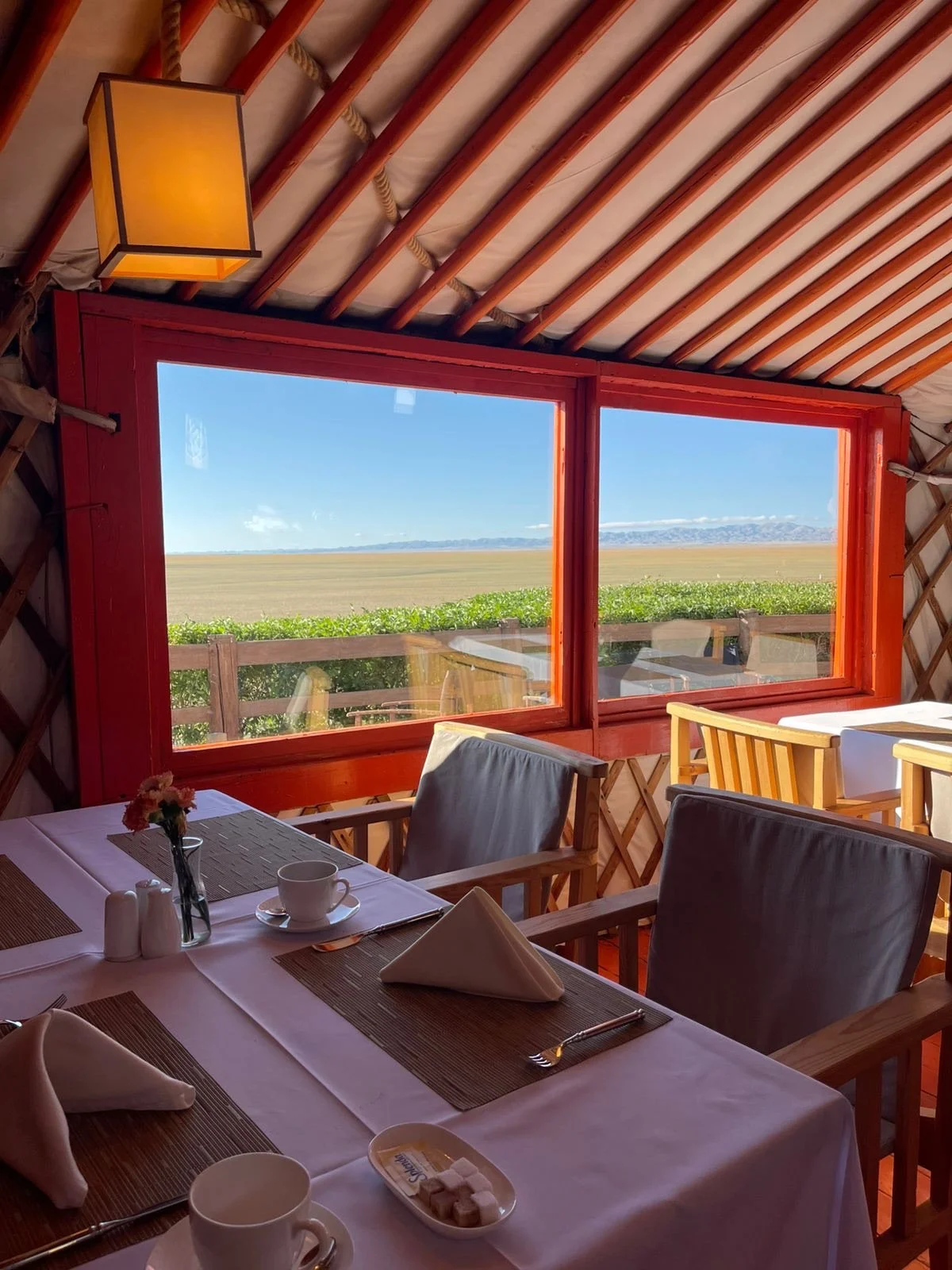
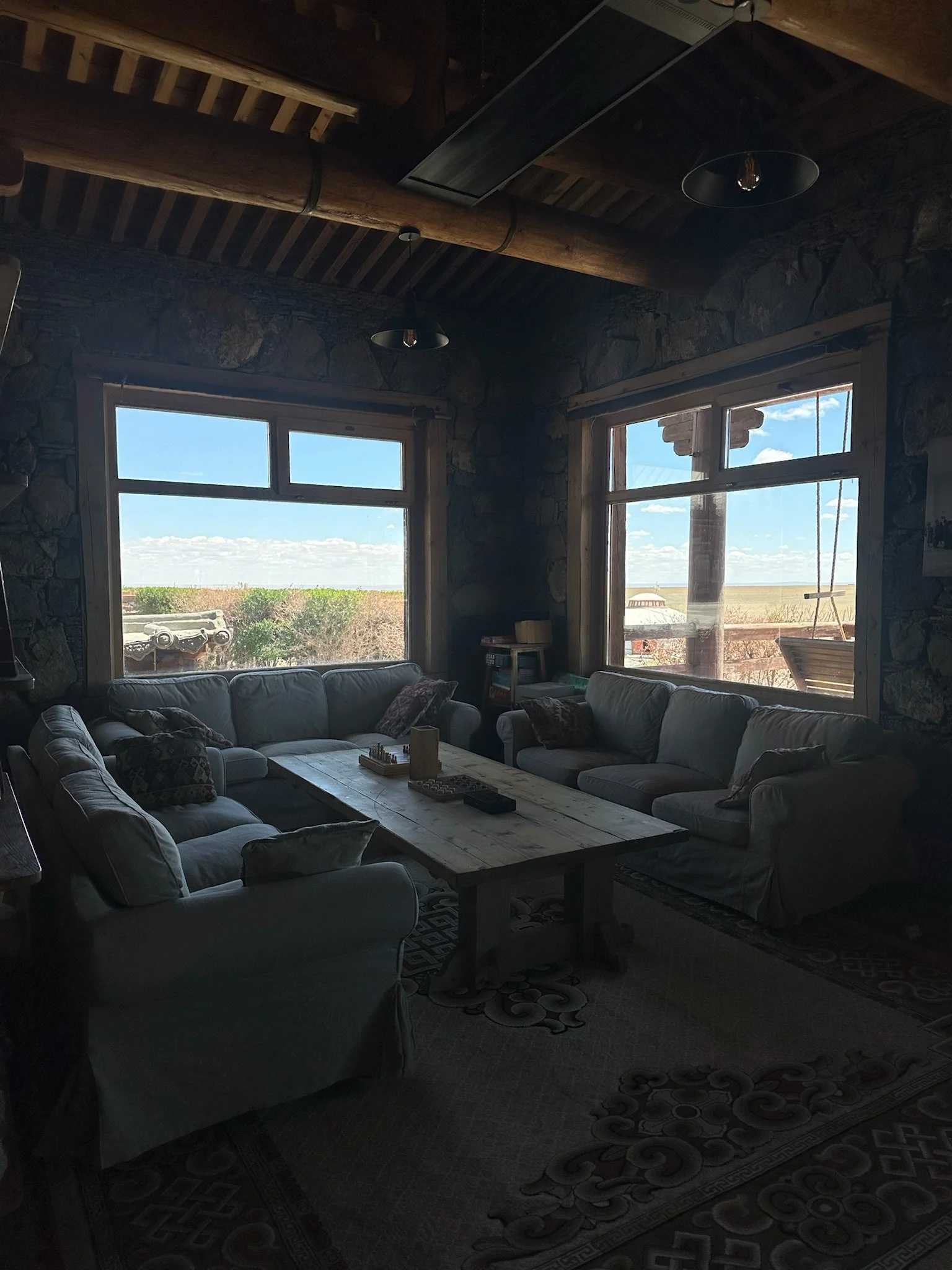
In the Gobi we stayed at Three Camel Lodge, a collection of traditional gers set against the desert landscape.
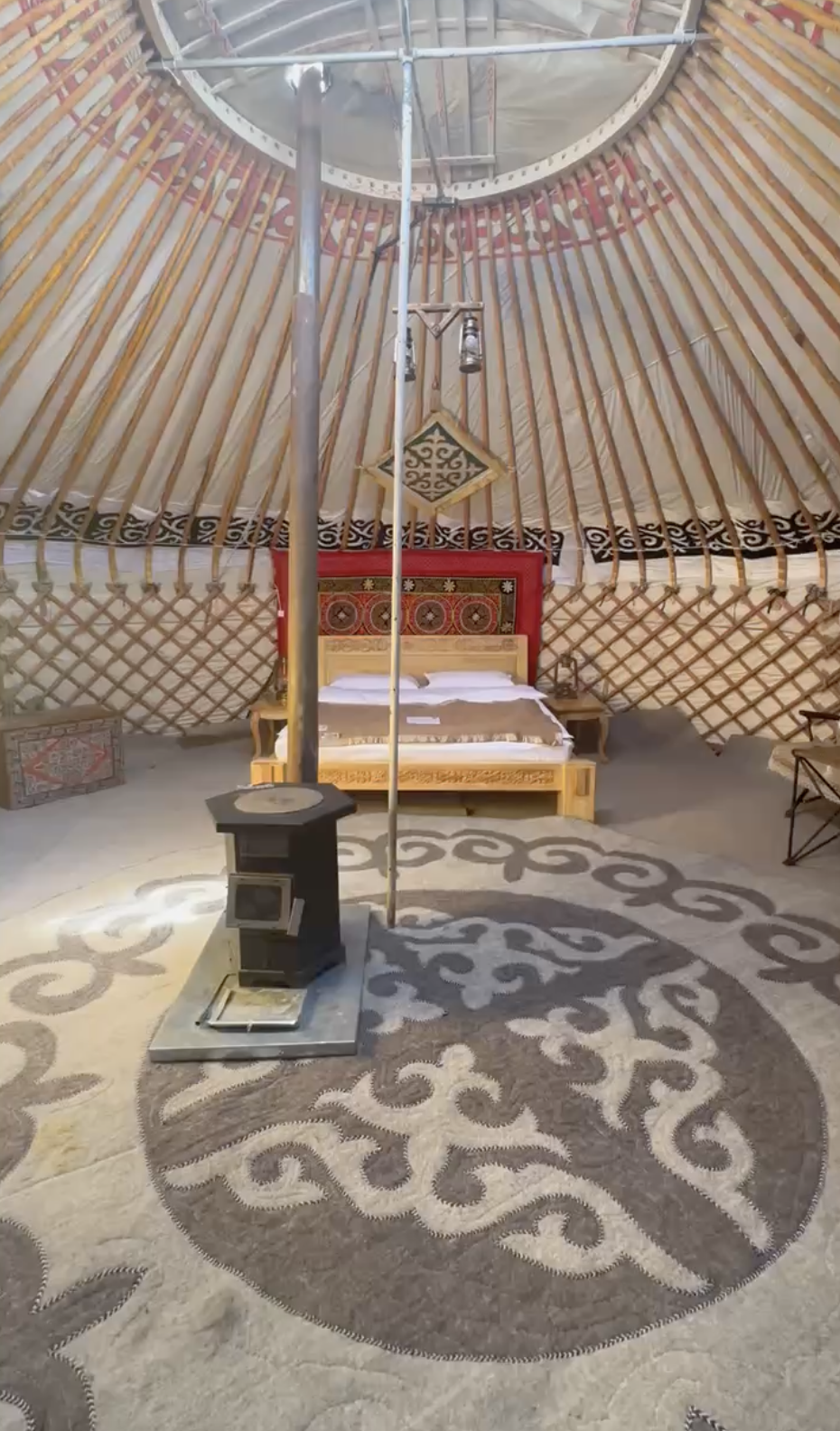
The lodge gets the balance right. Its 40 gers are handmade by Mongolian artisans using traditional materials and techniques, with proper beds, wool carpets, camel-hair blankets, hand-painted furniture and private bathrooms. There are also family gers and a spa.
What makes it feel luxurious, though, is not simply the amenities. It is the combination of comfort and place. Sitting in a beautifully made ger in the middle of the Gobi, or ending the day with a good whisky from the lodge’s extensive selection, feels far more appropriate than trying to recreate a conventional resort experience.
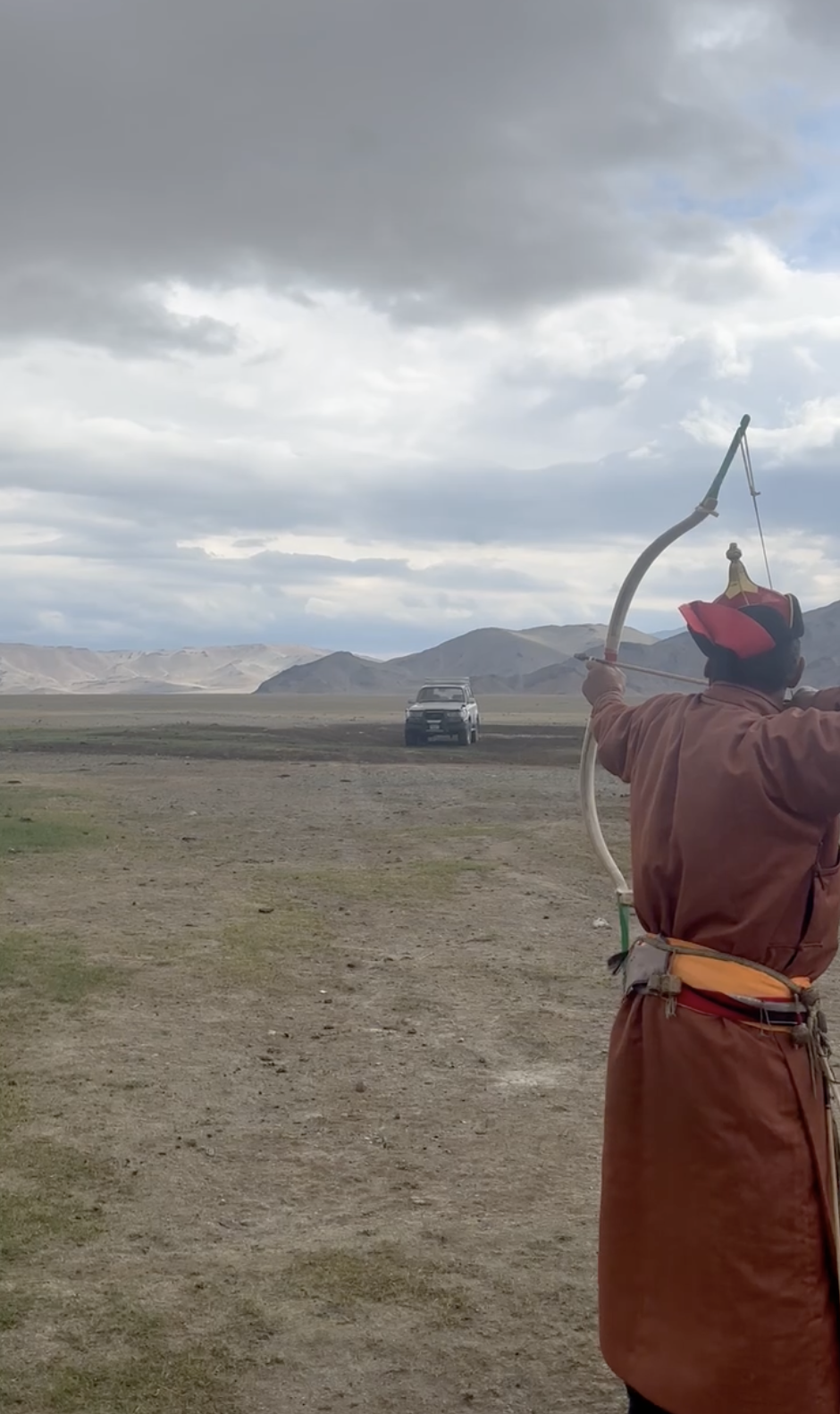
Days can include horseback riding, nomadic archery, cycling, cooking, ger building and Mongolian calligraphy, alongside exploring the landscapes of the Gobi itself.
One evening, sitting around a bonfire with a group of people, with the mountains behind us and an extraordinarily clear, star-filled sky above, I remember thinking what an incredible setting Mongolia creates for families and groups of friends. There is very little distraction; you simply spend time together, which increasingly feels like a luxury in itself.
A Culture That Is Still Being Lived
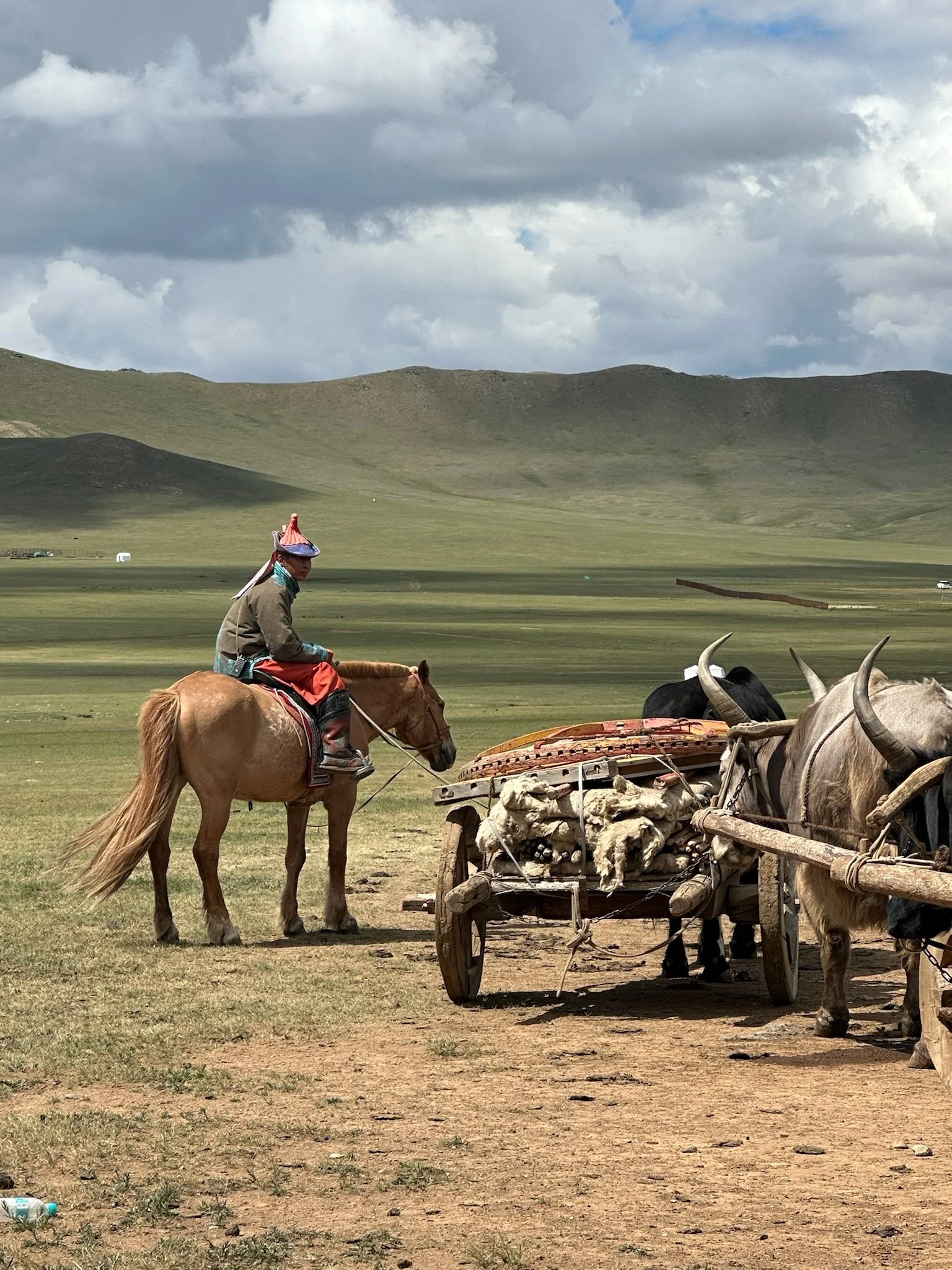
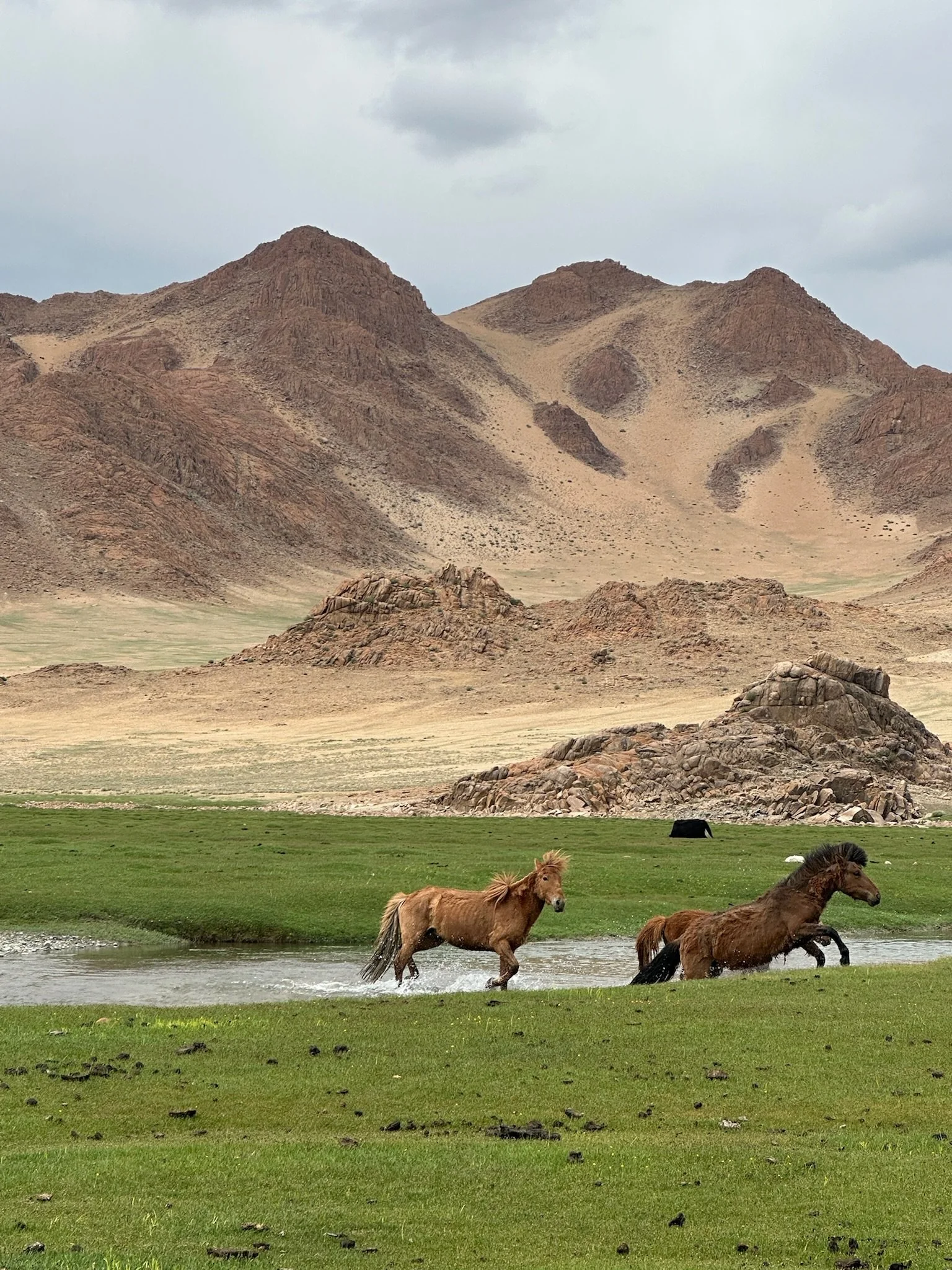
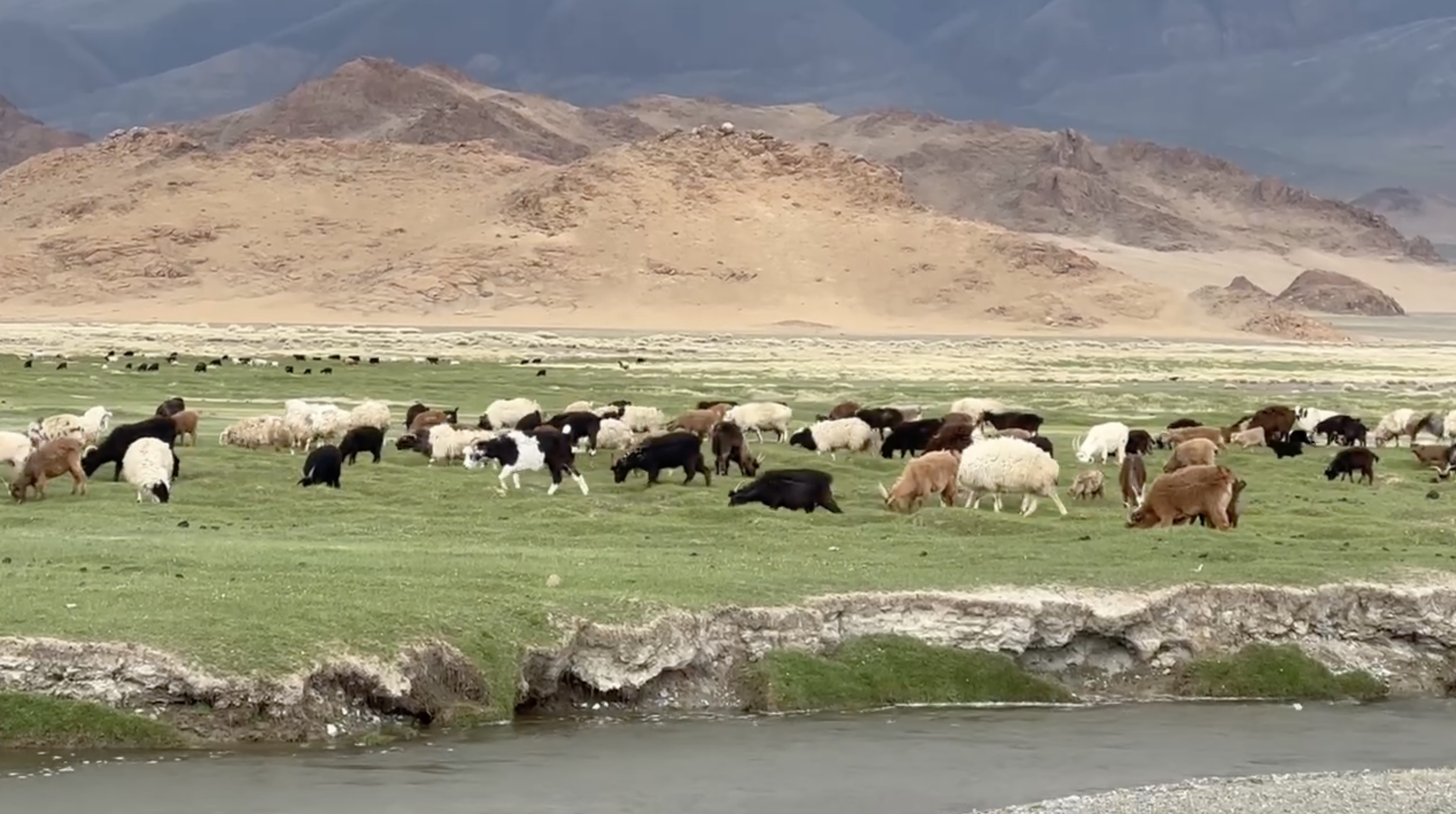
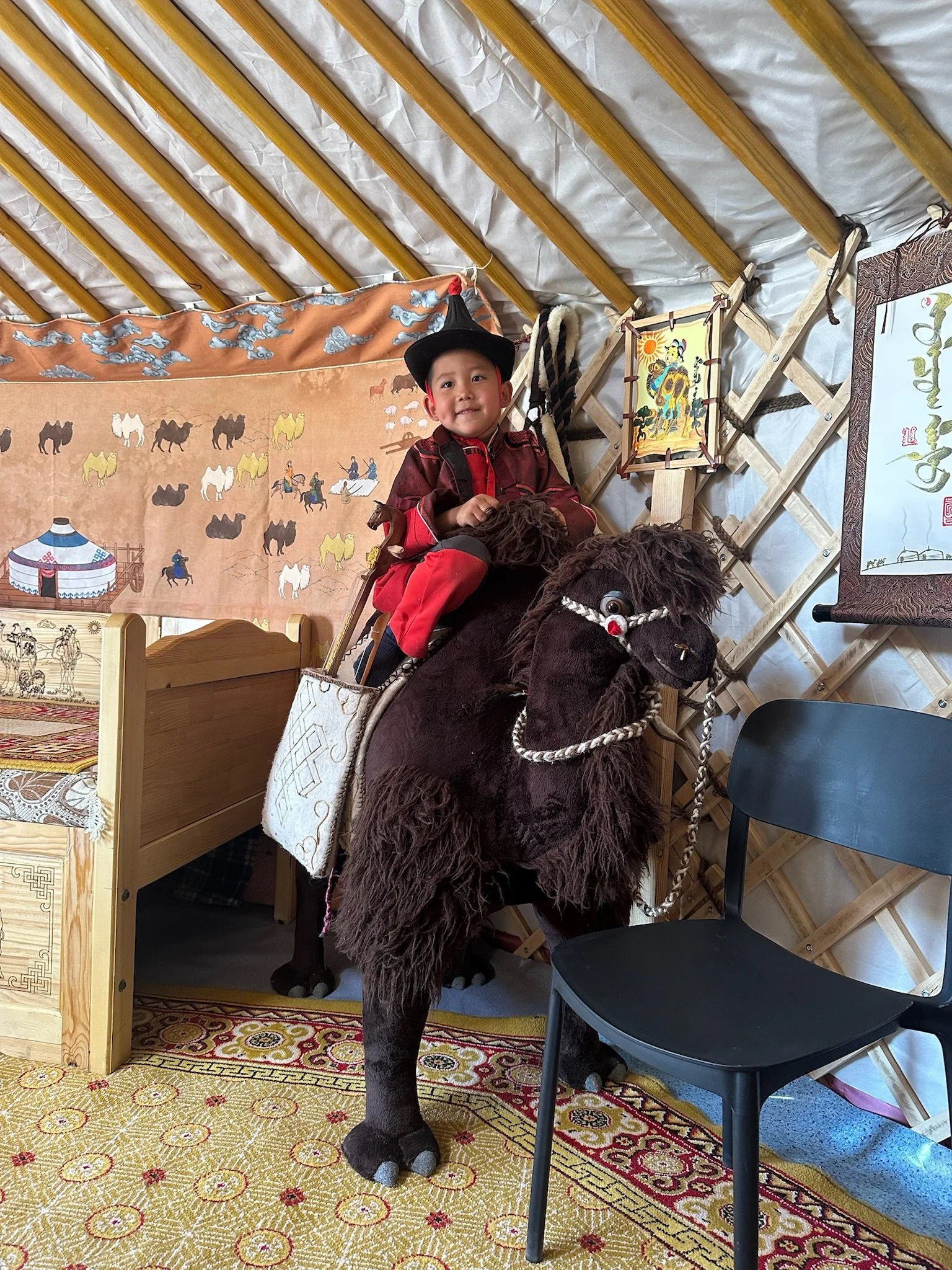
As spectacular as the landscapes are, what fascinated me most was Mongolia’s still-living nomadic culture.
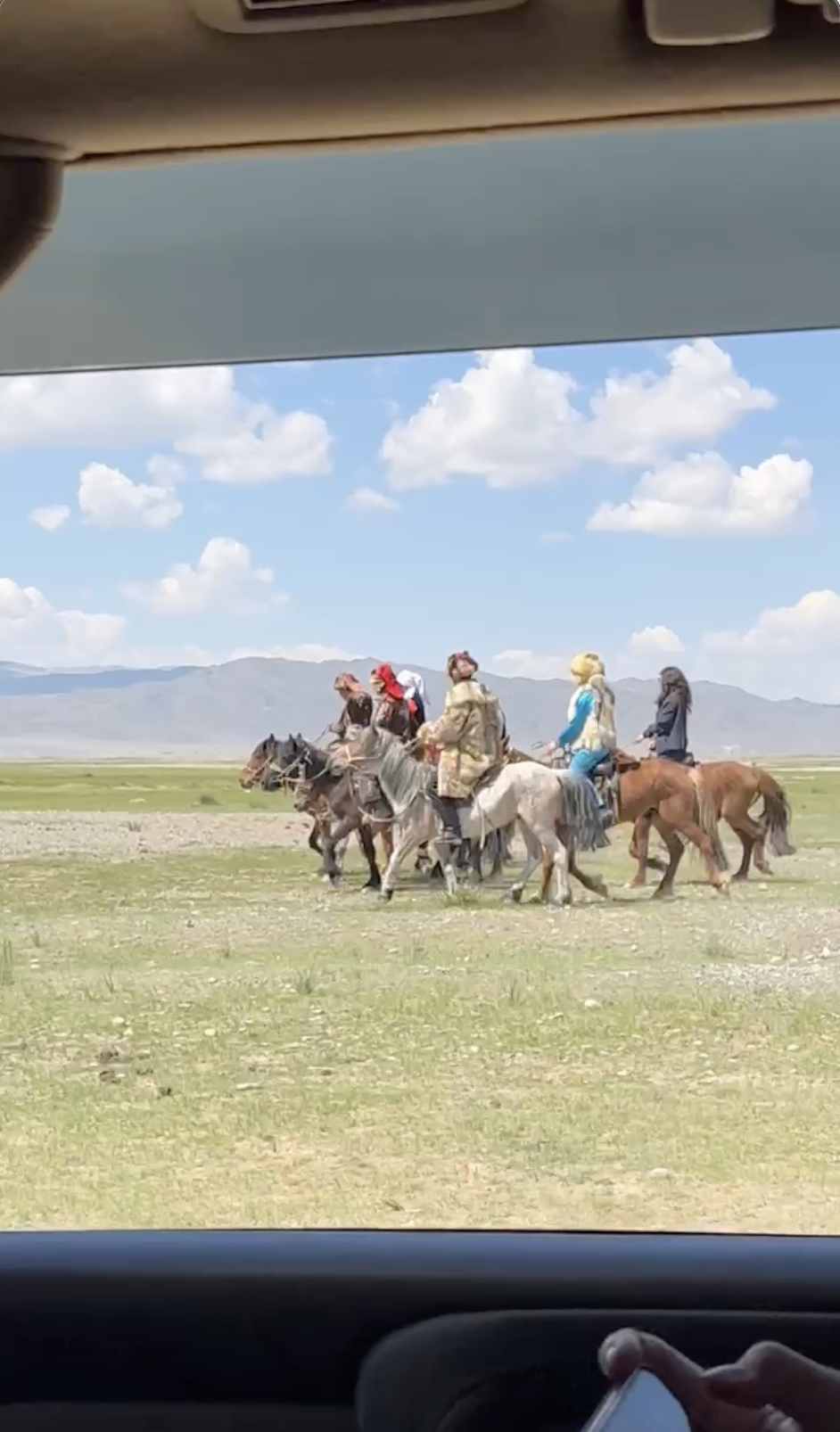
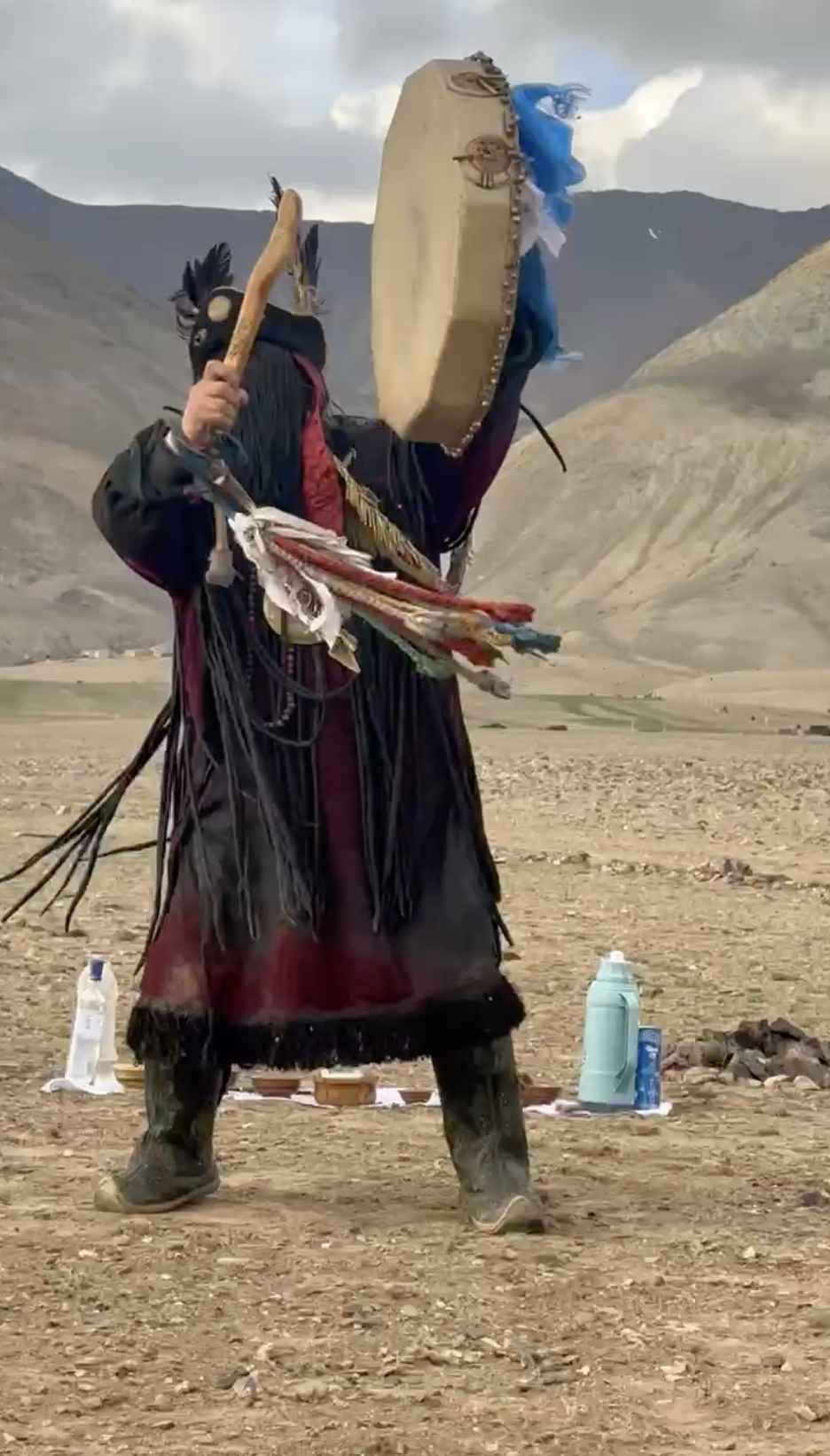
There are many destinations where traditions are carefully preserved because they belong to the past. Mongolia feels different because so many of the traditions you encounter remain part of everyday life. Nomadic and semi-nomadic families still move seasonally with their livestock, gers are practical homes rather than something recreated for visitors, and horses remain fundamental to both daily life and national identity.
Mongolia has a population of around 3.5 million people but tens of millions of sheep, goats, cattle, camels, yaks and horses. Once you travel through the countryside, you begin to understand just how closely Mongolian identity remains connected to pastoral life.
There is also an enormous pride in the country’s history, particularly the legacy of Chinggis Khan and the Mongol Empire. It does not feel like something confined to museums or textbooks, but rather part of the country’s broader cultural consciousness.
Some of my favorite moments were spent visiting local families. We were welcomed into homes, offered food and given an insight into a way of life that felt completely natural rather than staged. I was also struck by how warm, open and curious people were.
Tourism With a Visible Impact
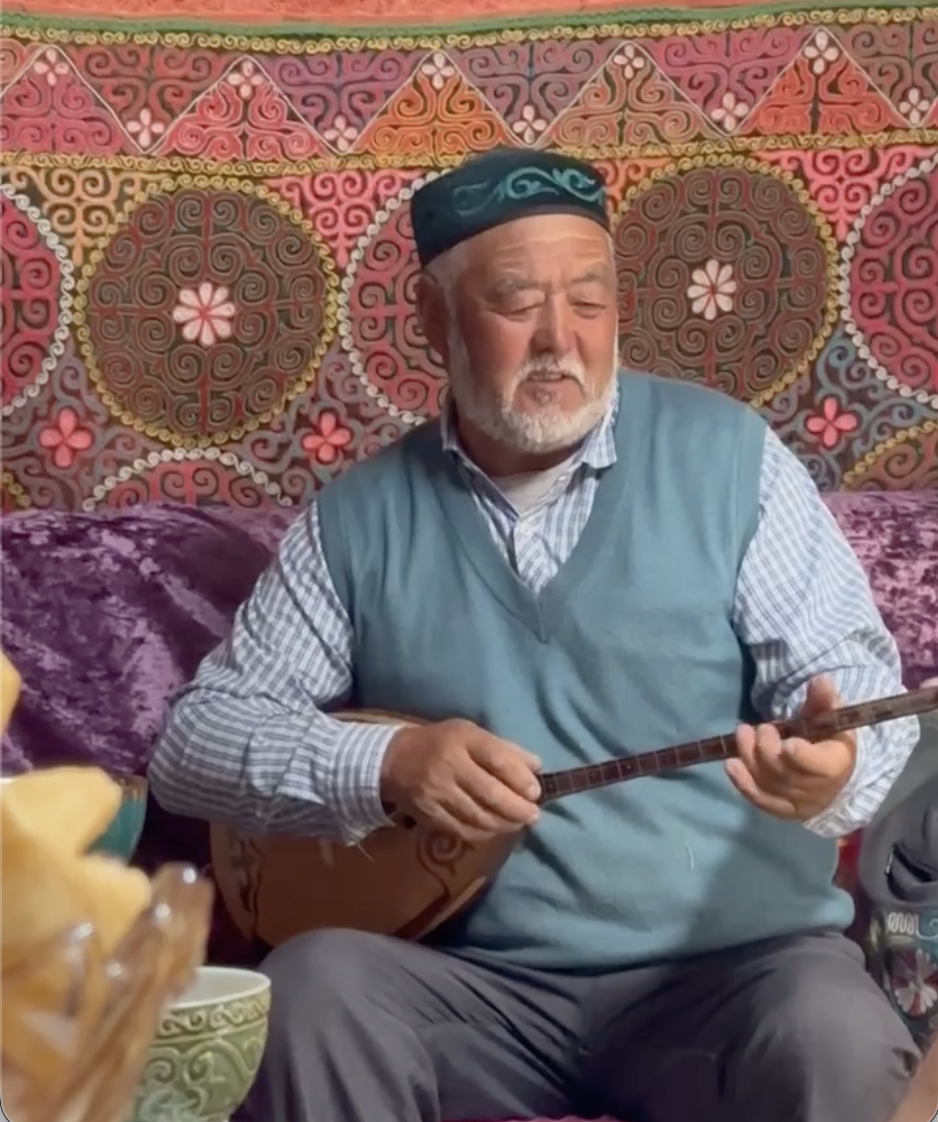
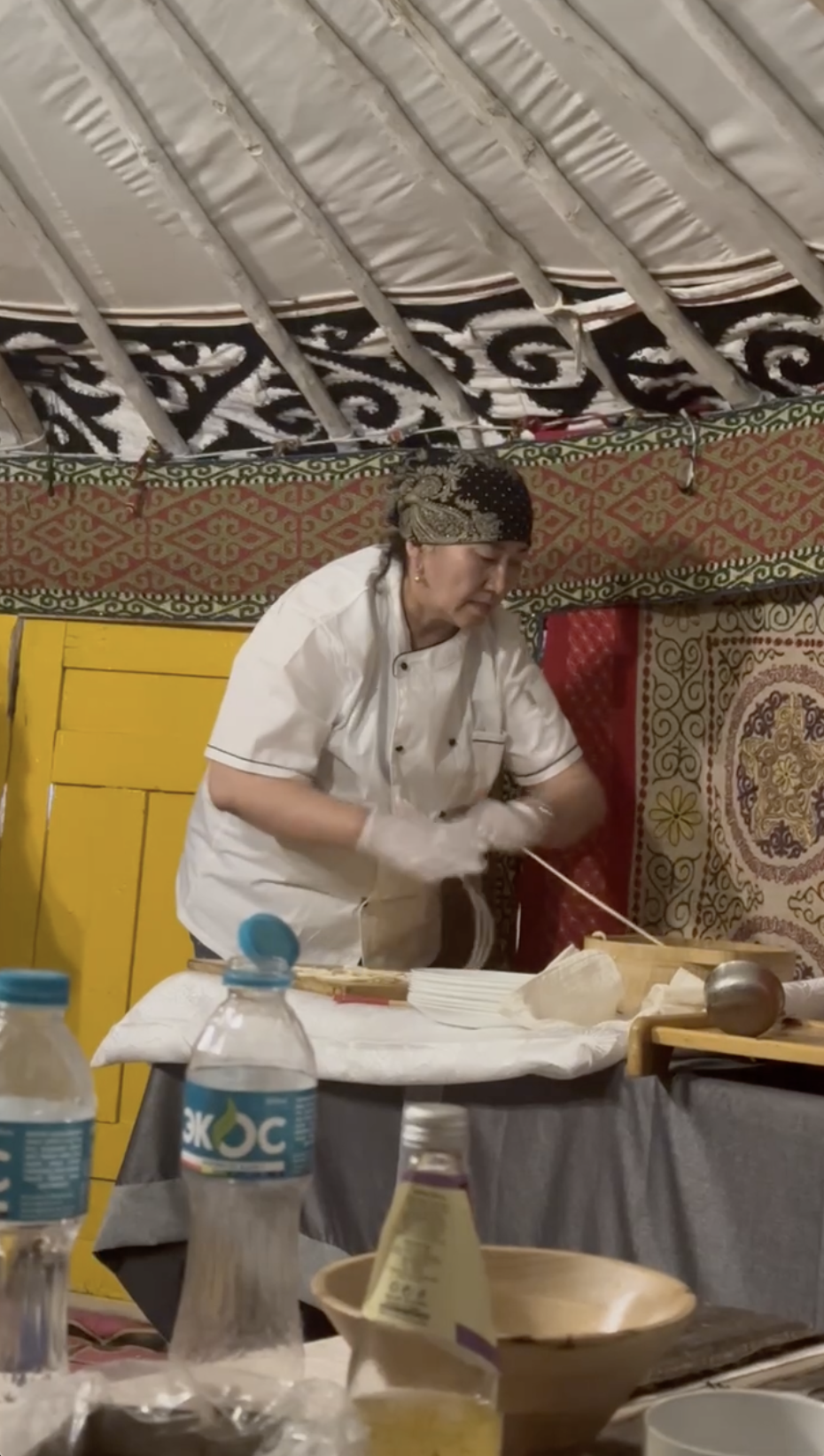
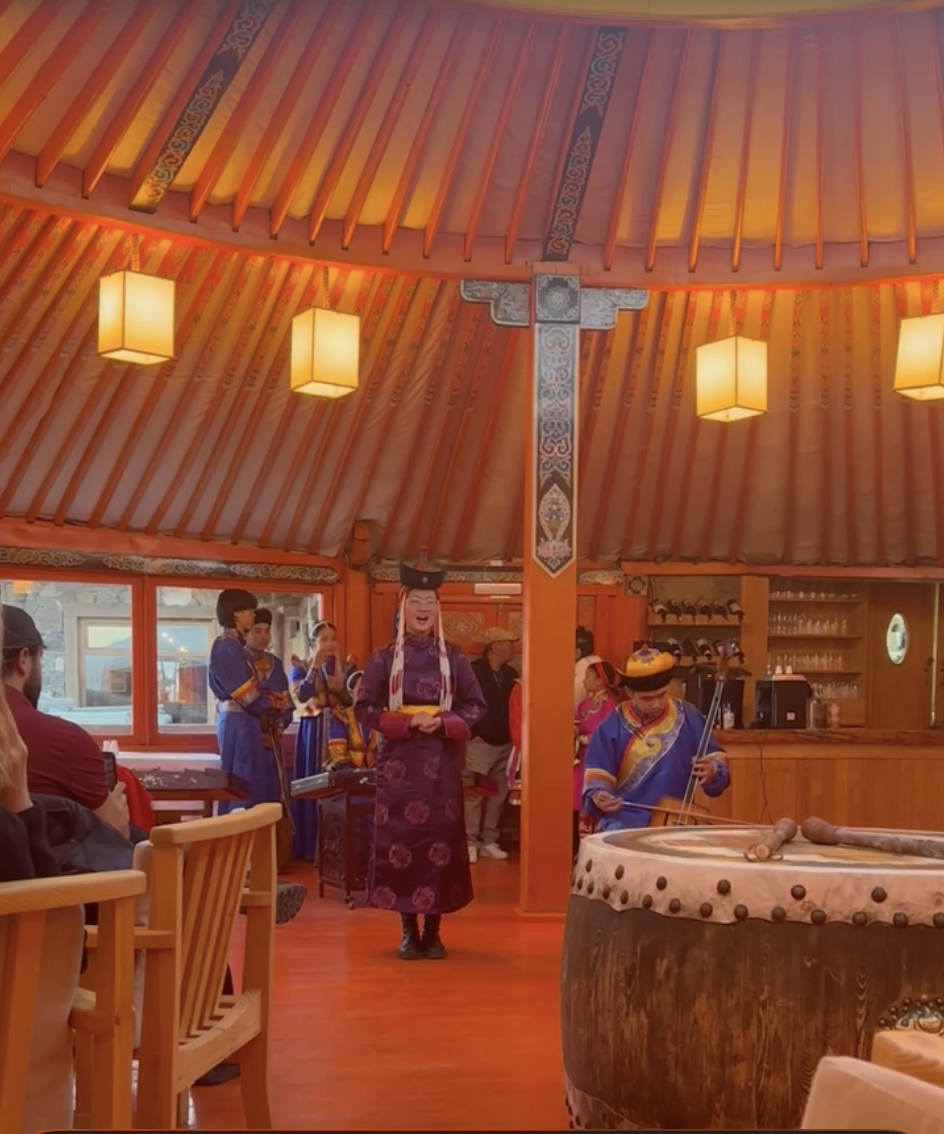
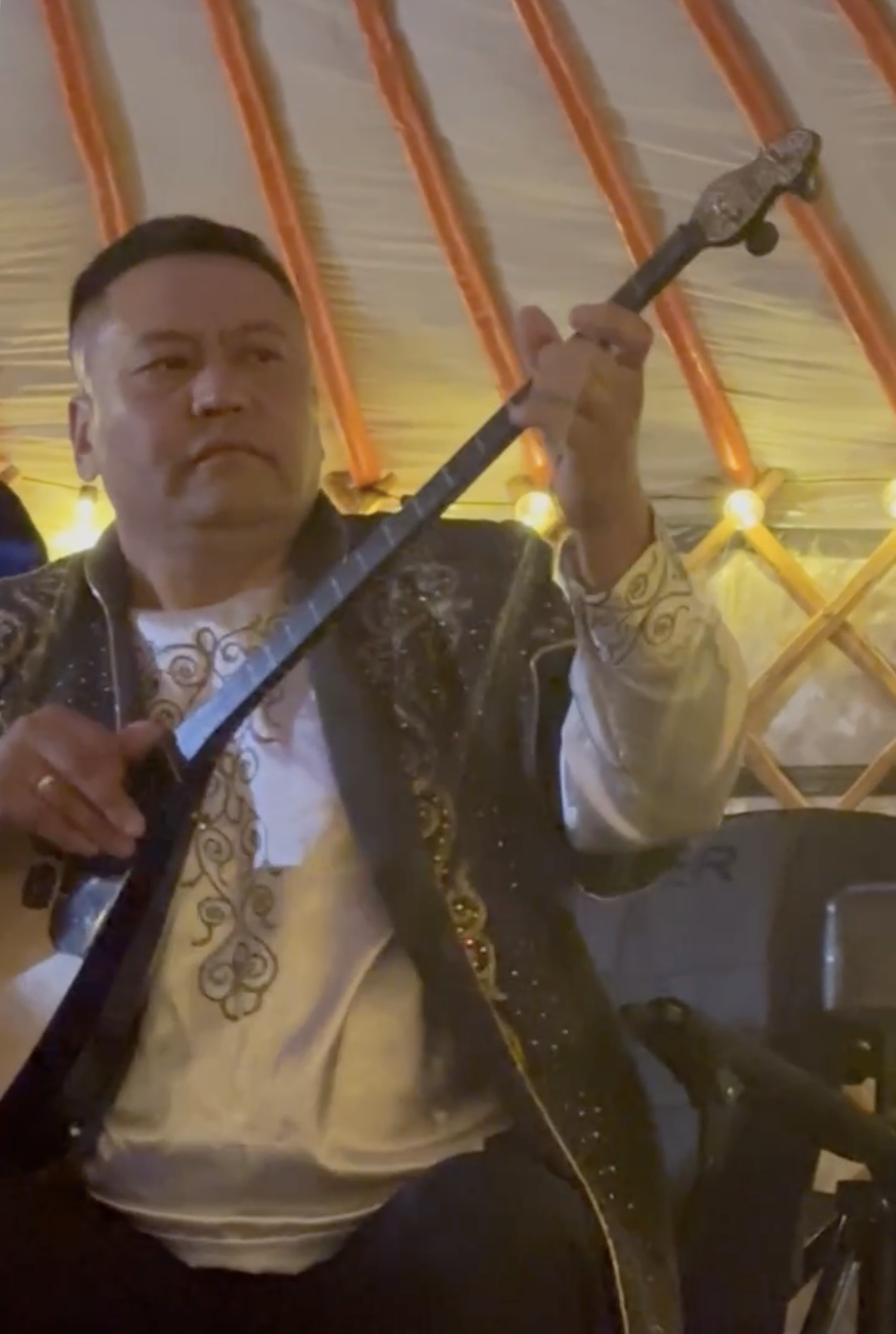
One of the more fulfilling aspects of traveling in Mongolia is seeing how directly tourism can benefit local communities.
At Three Camel Lodge, for example, the entire team is Mongolian and more than half come from surrounding Gobi communities. The lodge sources locally where possible, buys dairy products from nomadic families and maintains a well used by nearby herders and their animals.
Traveling somewhere where tourism can genuinely create local opportunities adds another layer to the experience, particularly when it is done in a way that supports rather than alters the culture visitors have come to see.
Going Further West
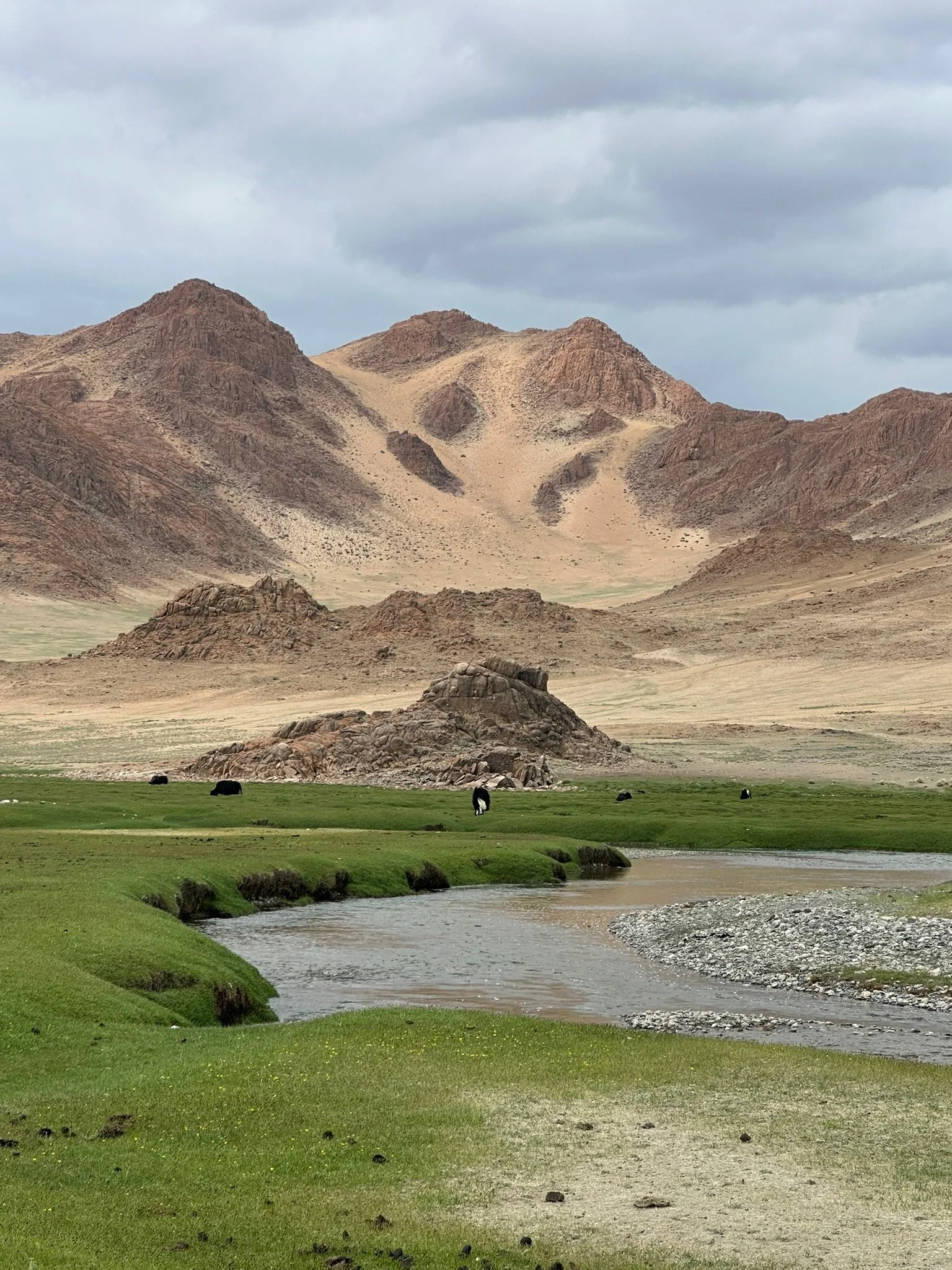
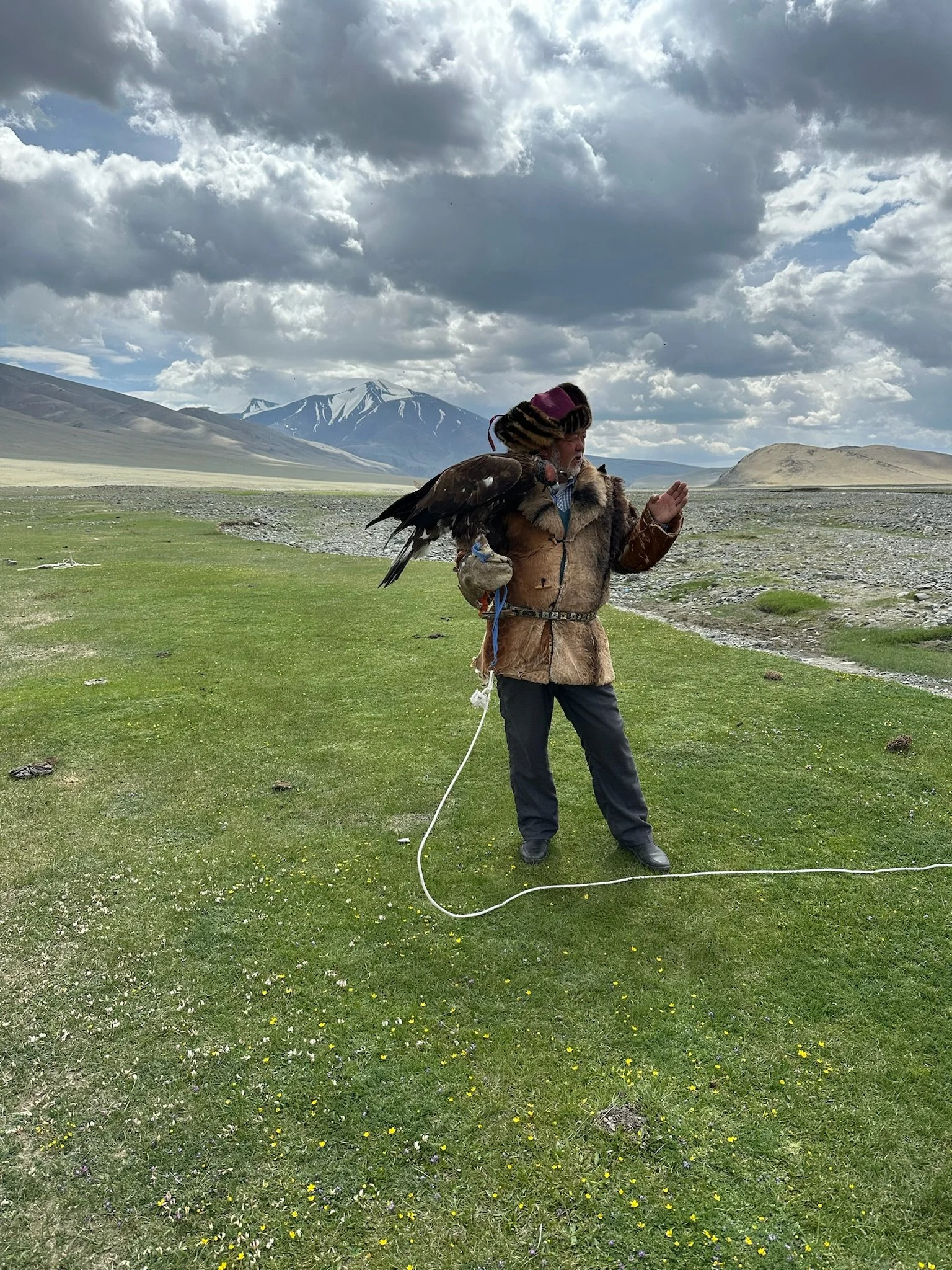
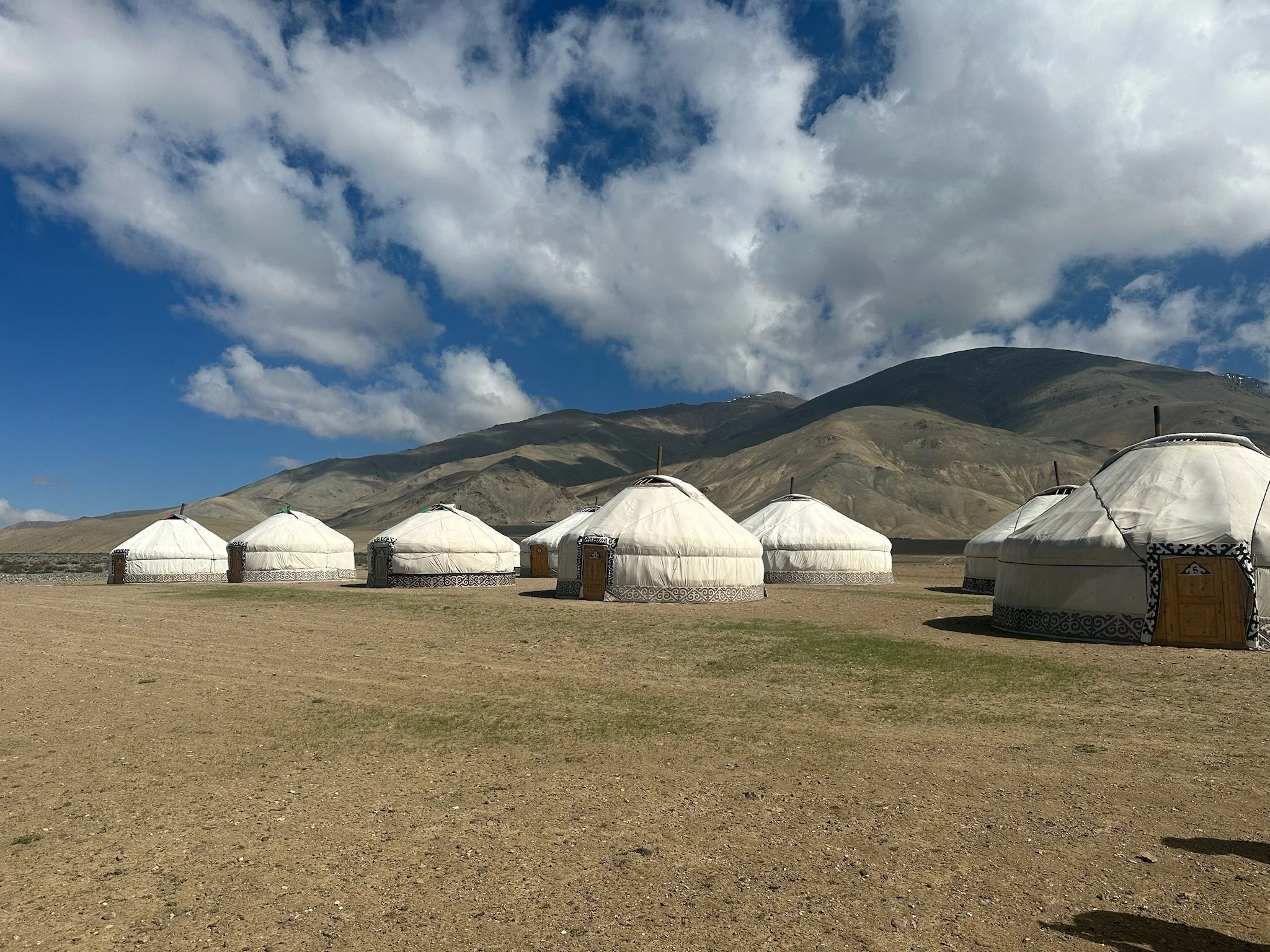
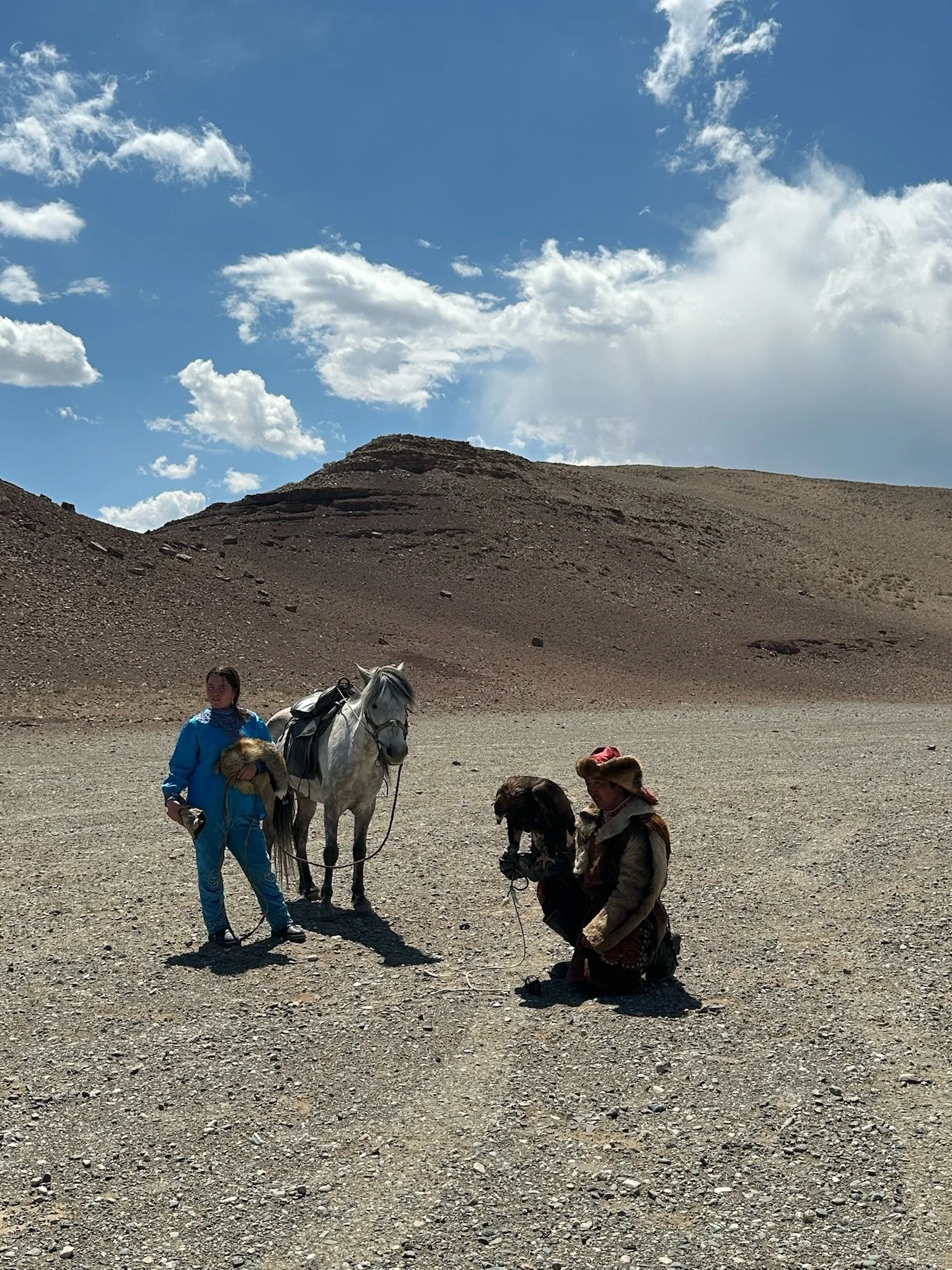
Western Mongolia was perhaps the most memorable part of the trip.
We stayed with WildMongolia near Tolbo Lake in Bayan-Ölgii, surrounded by the Altai Mountains. The camp is rebuilt for each journey, following the same principle of mobility that has defined nomadic life here for generations.
It feels more expedition-style than Three Camel Lodge, but the private gers still have thick felt walls, proper linens and private bathroom facilities, although shower facilities are comfortable and very private, they are located outside the ger. This is where Mongolia’s interpretation of luxury becomes clearest: you may not have a marble bathroom or a choice of restaurants, but you are sleeping comfortably in one of the most dramatic landscapes imaginable.
Western Mongolia also feels completely different from the Gobi, with mountains, lakes and grasslands replacing the desert. It is particularly compelling for photographers, wildlife enthusiasts and travelers interested in places that still receive relatively few international visitors.
How I Would Plan Mongolia
I would allow at least eight to ten nights. Distances are significant, and any good itinerary will involve a combination of domestic flights and long overland drives, so this is not a destination to rush.
Mongolia also needs the right traveler. I would recommend it particularly to people who have already traveled extensively and want something genuinely adventurous and different, as well as photographers, wildlife enthusiasts, groups of friends and multi-generational families with older children.
I would be more cautious with anyone who has significant mobility limitations, dislikes long drives or domestic flights, or wants their vacation centered around spas, restaurants, nightlife and traditional resort amenities.
The trade-off is simple: you give up some comfort and infrastructure in exchange for authenticity, extraordinary access to nature, a culture that is still being lived rather than recreated, and experiences that are becoming increasingly difficult to find elsewhere.
Why I Would Combine It With South Korea
Mongolia also combines extremely well with South Korea. The flight connections make the pairing relatively easy, but the contrast is what makes it particularly appealing.
After the landscapes, nomadic communities and slower rhythm of Mongolia, arriving in Seoul gives you almost the opposite: restaurants, fashion, design, shopping, technology and intense urban energy.
For anyone traveling a long way to reach Mongolia, combining the two creates a much more varied and complete trip.