
My Japan Fall Route, From Tokyo to Naoshima
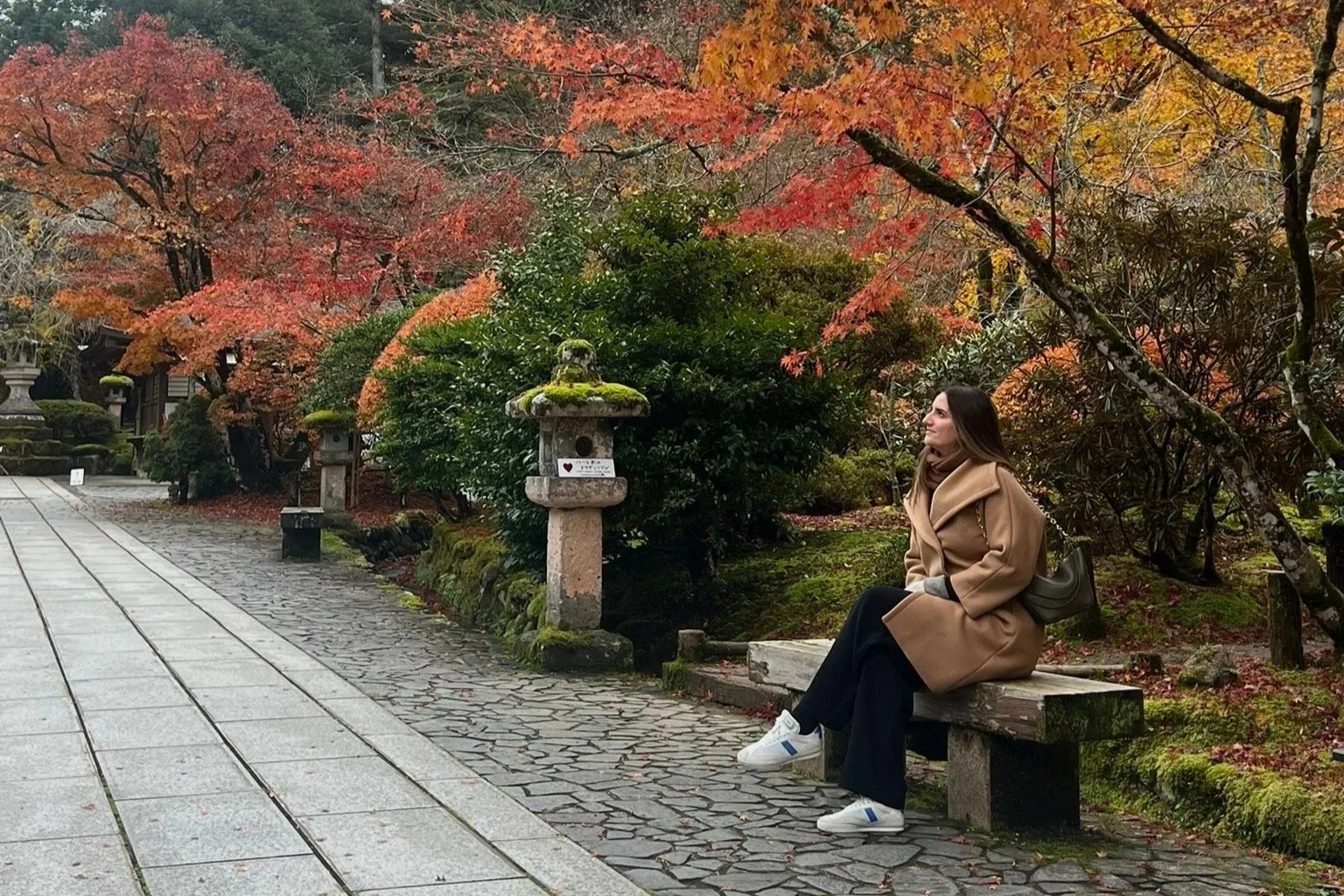
Japan has been on my radar for years, but it was never a destination I wanted to rush. I waited for a window that would allow for more than just a casual visit—a moment where the timing and the company were right. That finally clicked this past November, when I was able to experience the country alongside my family.
Choosing autumn was a deliberate move. While the cherry blossoms are iconic, their beauty is fleeting and the crowds can be intense. The fall foliage, by contrast, feels like a slow burn. It settles into the cities and countryside gradually, offering a sense of flexibility that the spring doesn't always allow. It gave us the breathing room to move at a thoughtful pace, rather than racing to catch a bloom before it vanished.
Over the course of nearly two weeks, what struck me most was the sheer variety packed into such a compact geography. We moved between dense urban hubs and quiet, preserved towns; from the steam of hot spring regions to the sharp lines of contemporary art destinations.
Ultimately, we designed this itinerary around what we actually love—culture, design, and food—prioritizing hands-on experiences over a checklist of sights. Japan is a place that can be approached in a thousand different ways, but our clearest takeaway was the value of planning around your own curiosity rather than someone else's "must-see" list.
First stop: Tokyo
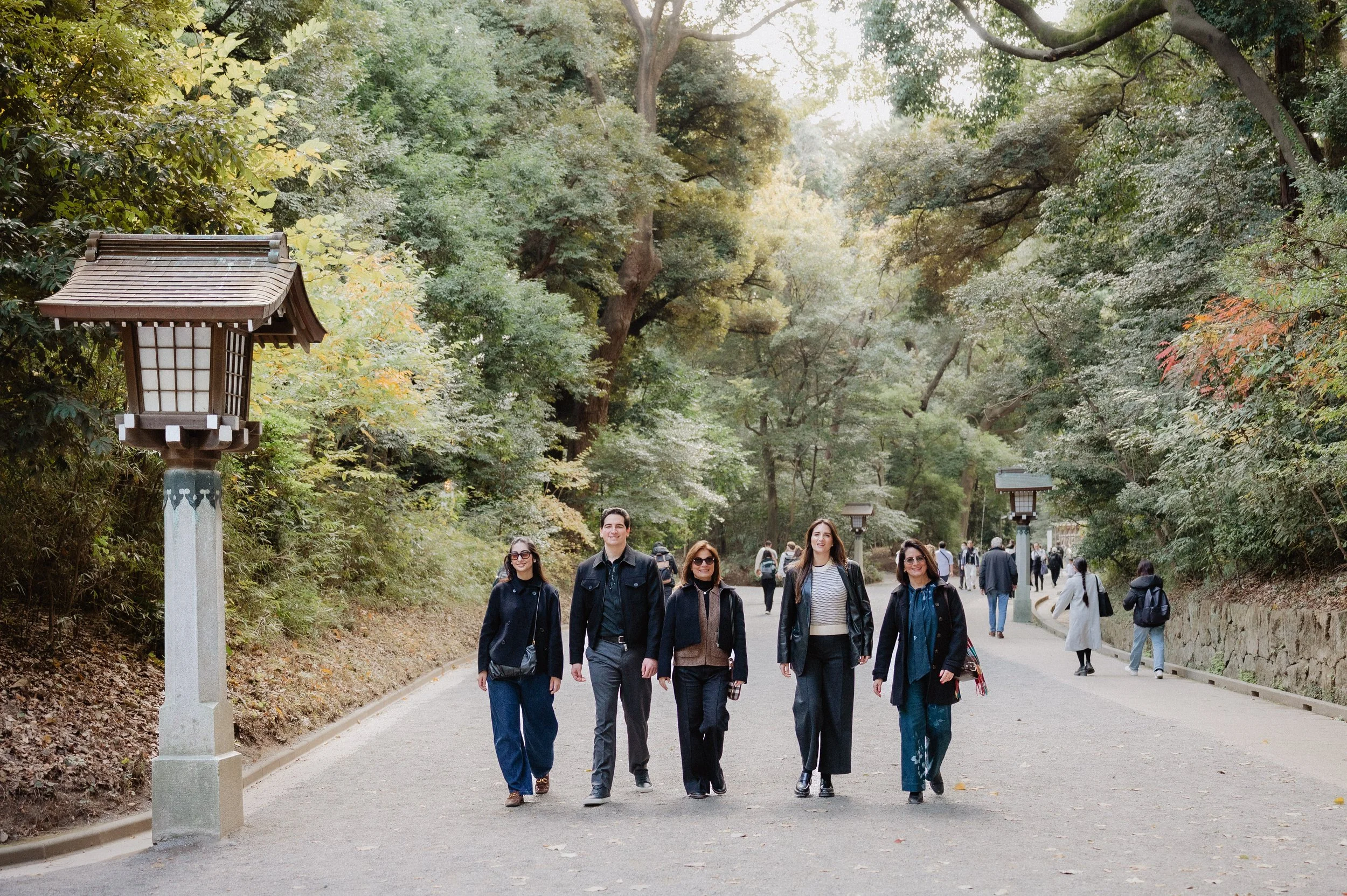
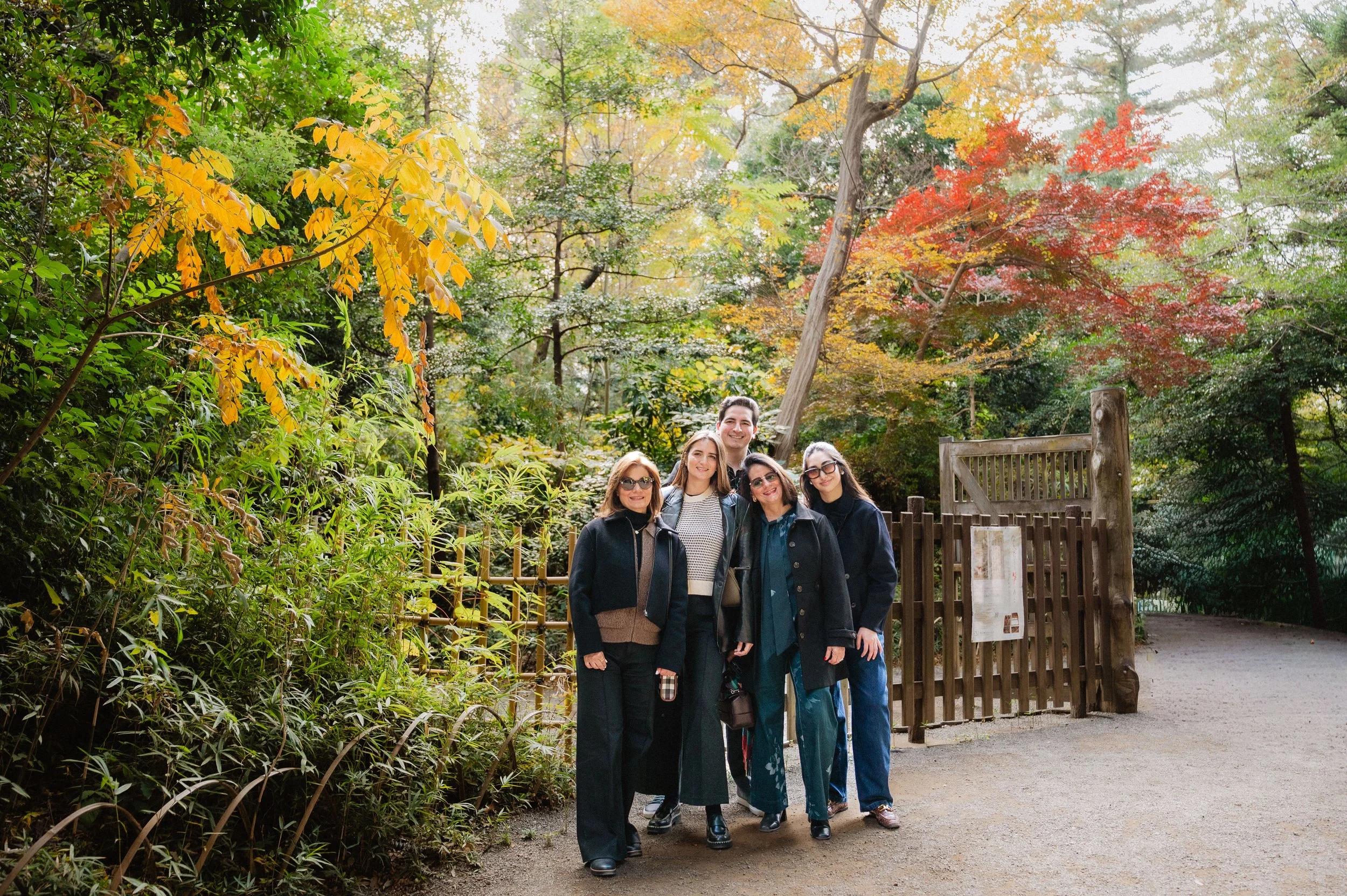
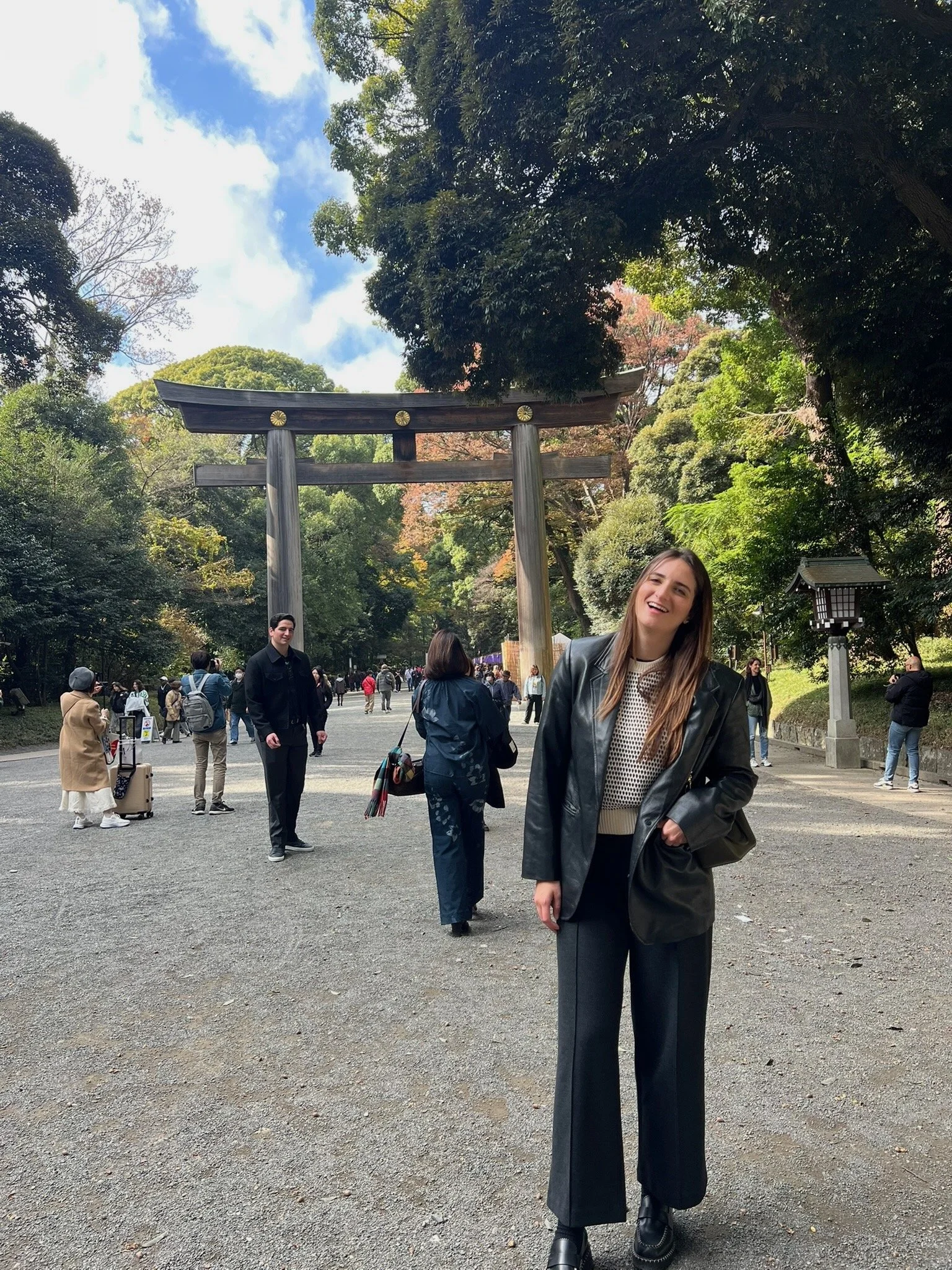
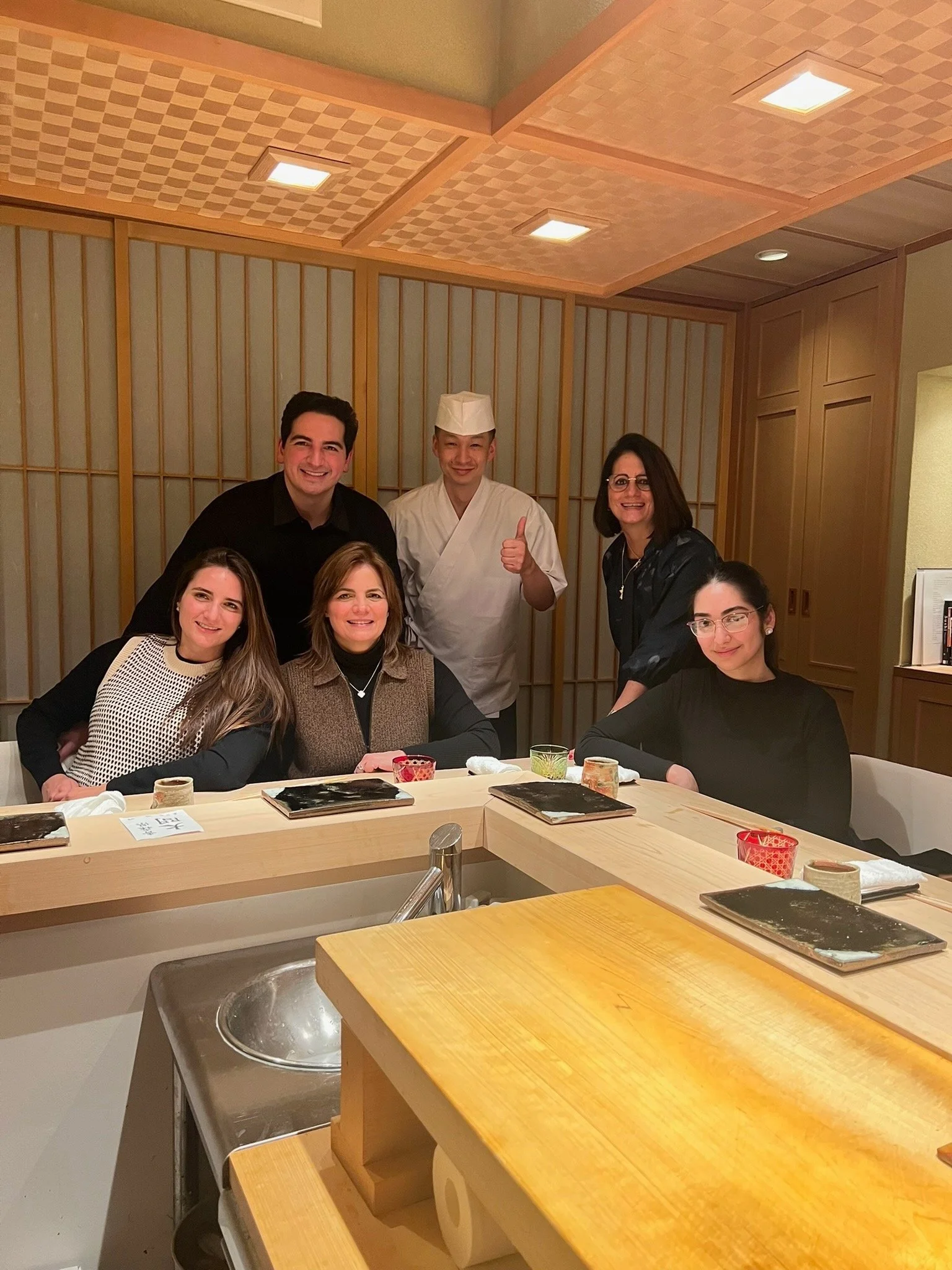
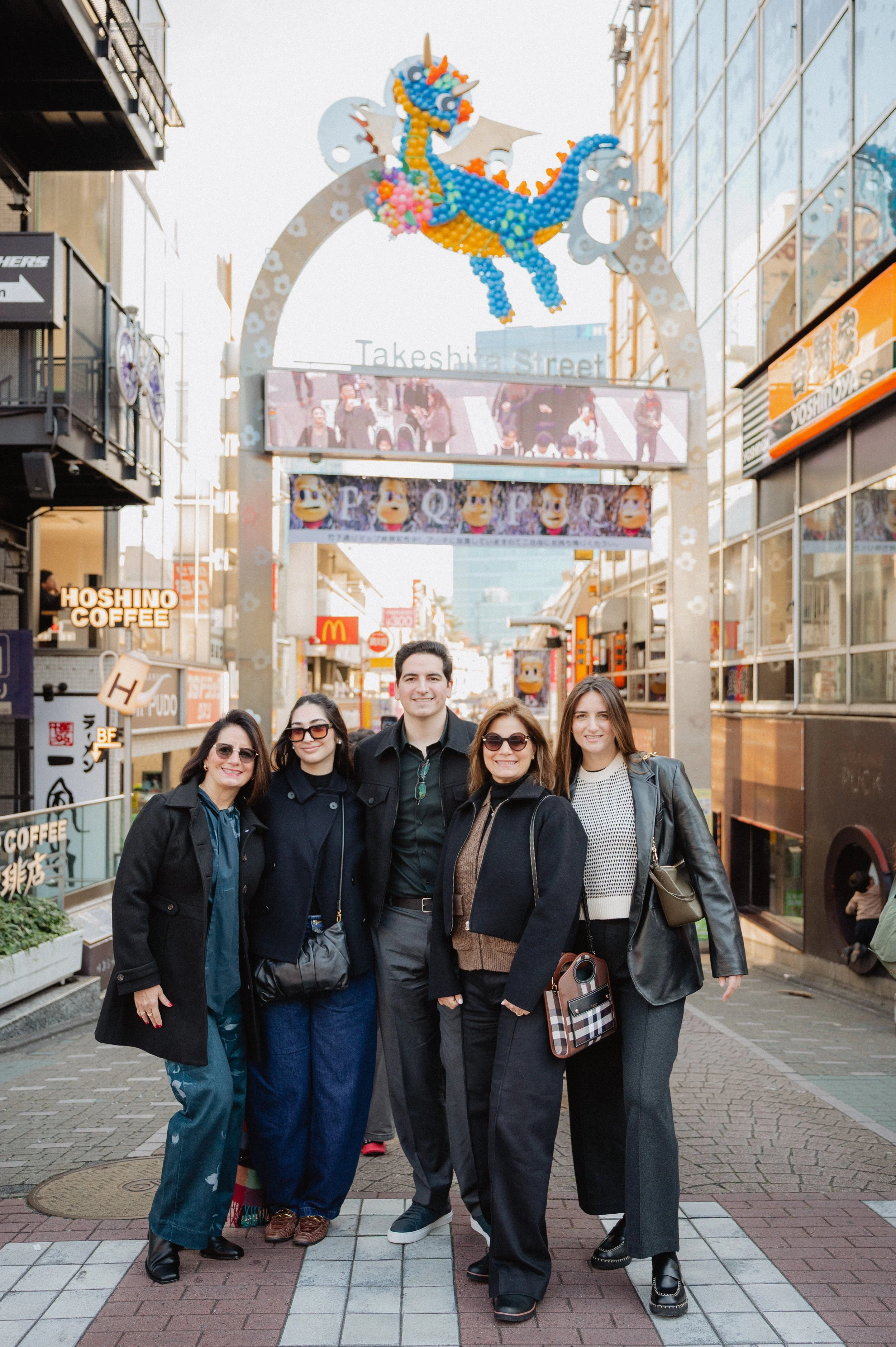
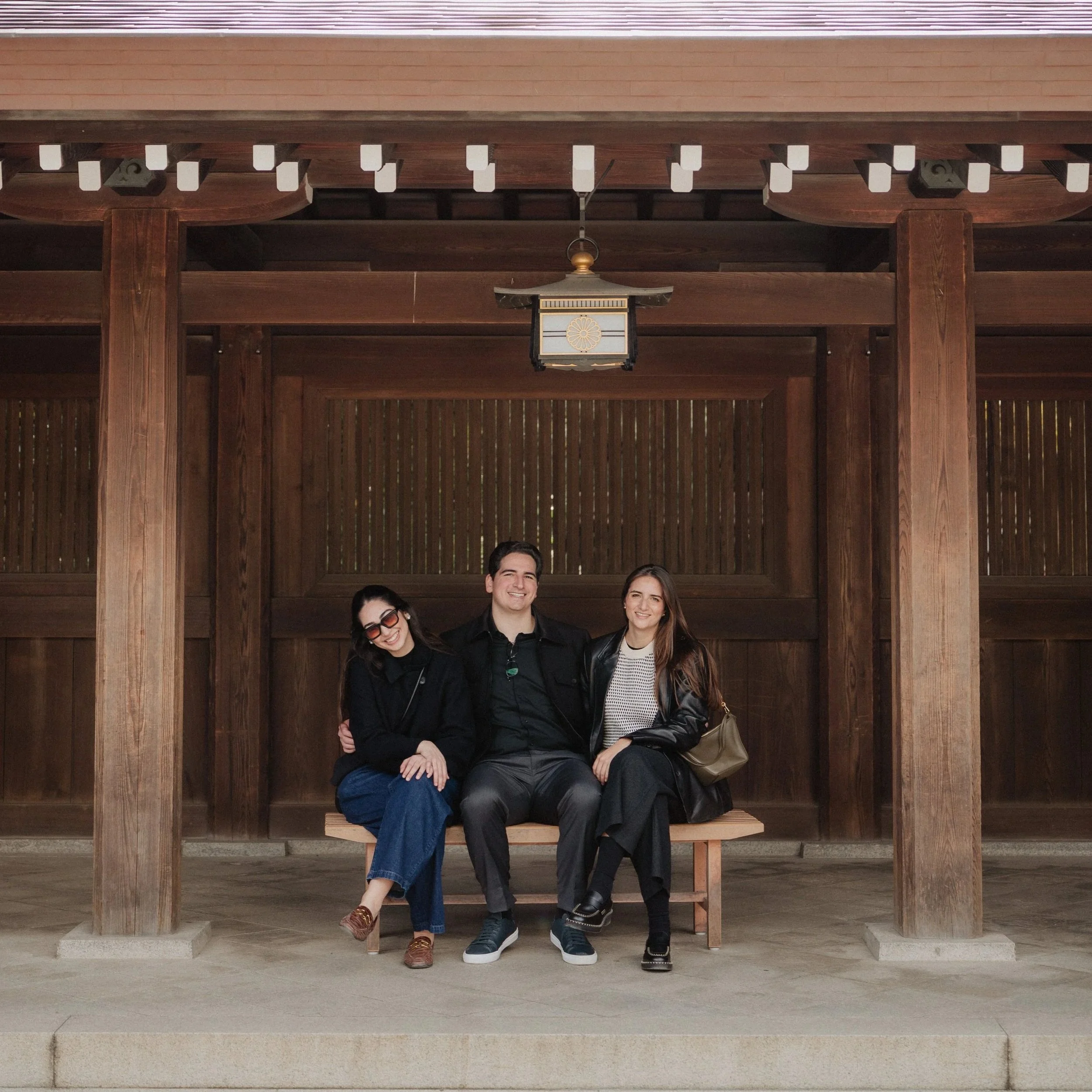
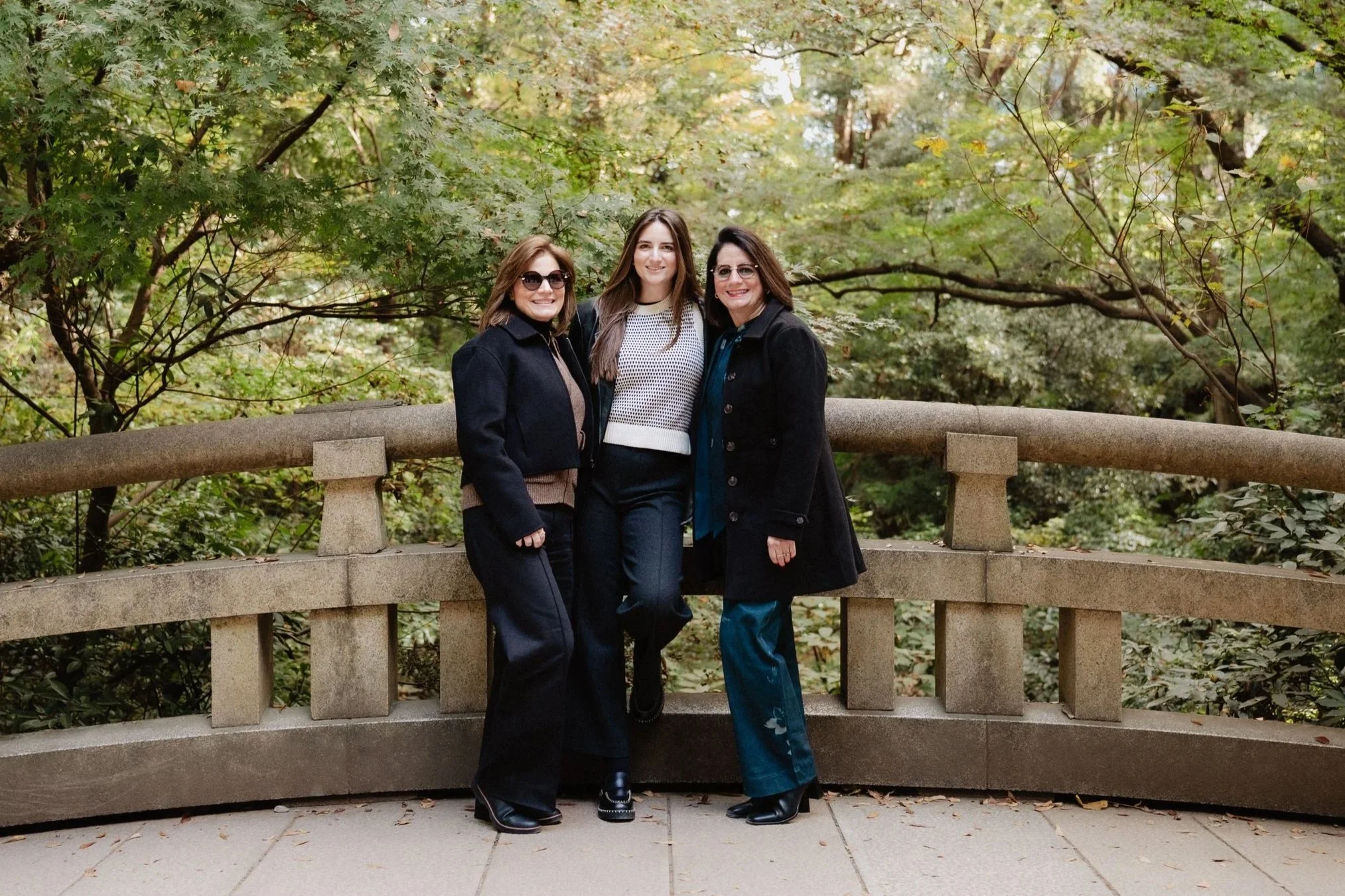
Tokyo’s scale is something I had to feel to believe. My biggest takeaway was the surprising silence: even with the sidewalks flowing and the trains packed, the typical city roar just isn't there. I found myself lowering my own voice to match the quiet intention of the people around me. It felt less like a crowded metropolis and more like a massive, well-rehearsed dance.
I noticed quickly that the city doesn't go out of its way to explain itself. Since so much of the culture is felt rather than told, I felt like a guest who needed to watch and learn the rhythm of the place. It’s a steep learning curve, but that’s exactly what made it so rewarding.
Because the city felt so self-contained, we realized that doing was better than just seeing. Joining in on local activities gave us a "way in" to the culture that we never would have found just by looking at a map or a monument.
Our morning at the Shunkaen Bonsai Museum with one of Japan’s most respected bonsai masters was especially interesting. Hearing how patience, discipline, and restraint are applied over decades gave context to much of what we were seeing elsewhere in the city.
The taiko drumming class in Asakusa was another highlight. Physical and demanding, it focuses on posture, timing, and group coordination. You learn through repetition and observation, often without relying on language, which made it particularly effective in a place where so much is communicated indirectly.
Food in Tokyo deserves special mention. Dining is a central part of how the city expresses itself. Restaurants tend to specialize in a single dish or style, which means every meal feels completely different. One night at a chef’s counter for omakase, another seated on the floor at an izakaya, another cooking your own shabu shabu. Meals became part of the experience, not something added on at the end of the day.
Hakone: A Pause Outside the City
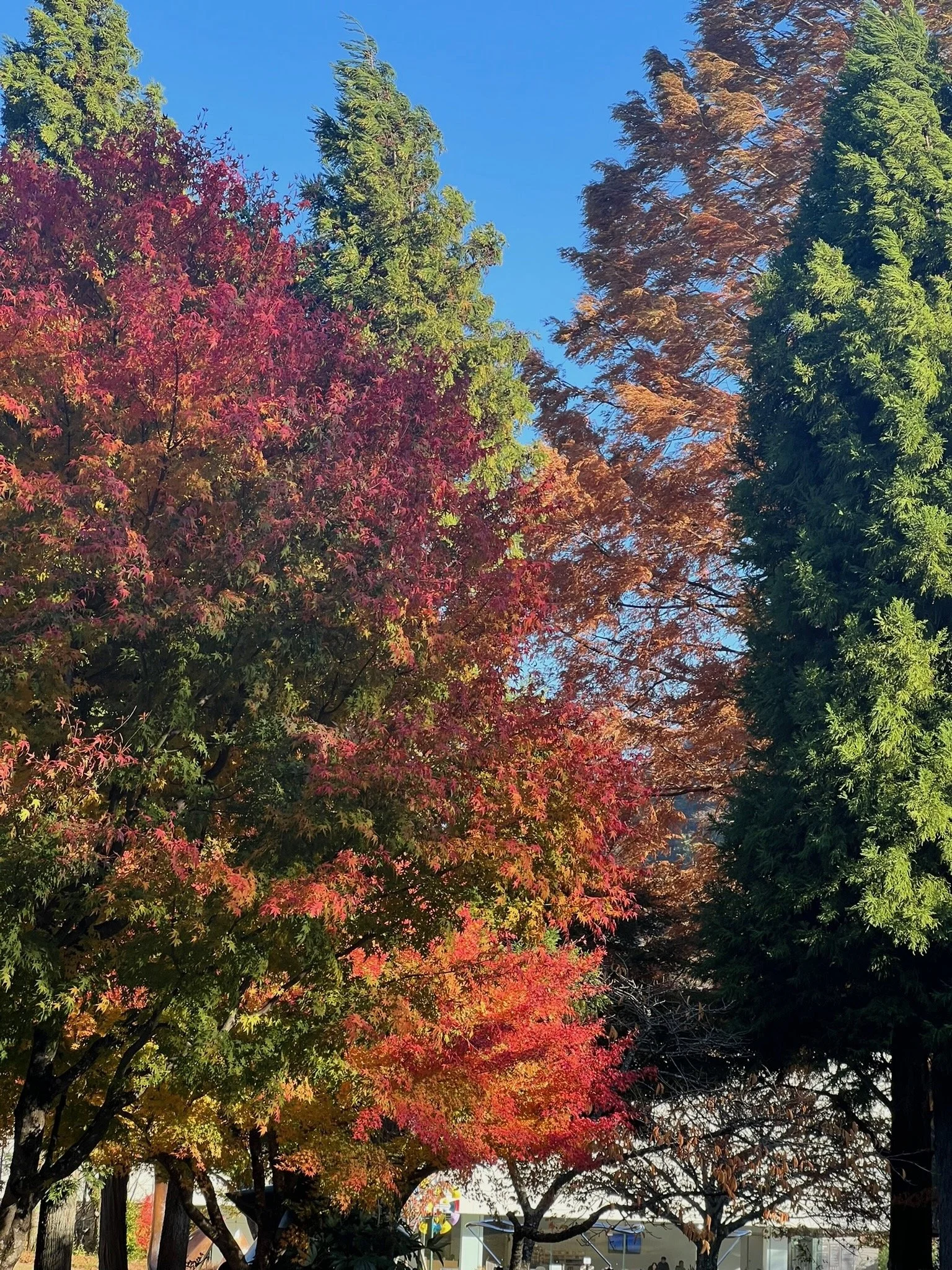
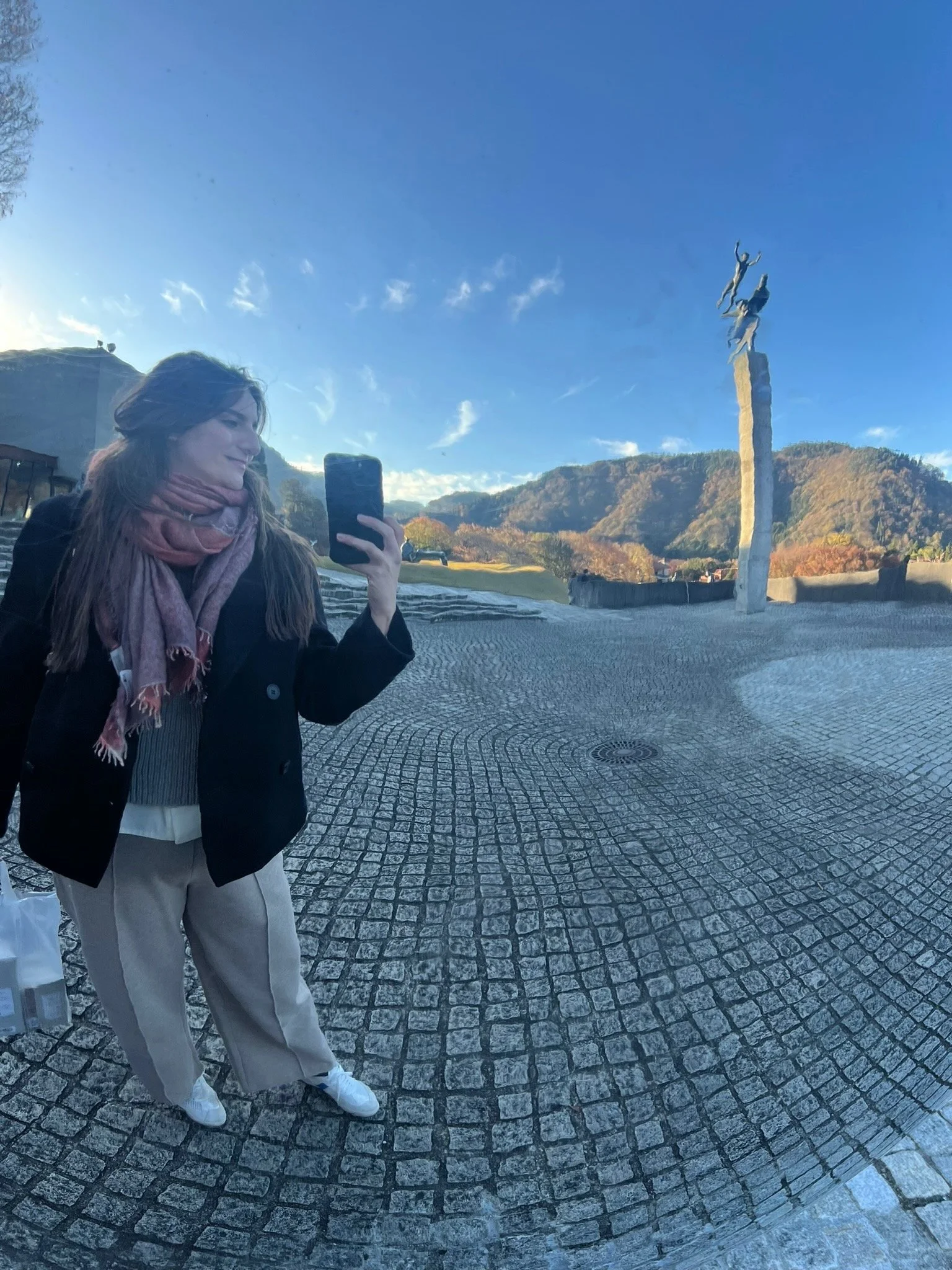
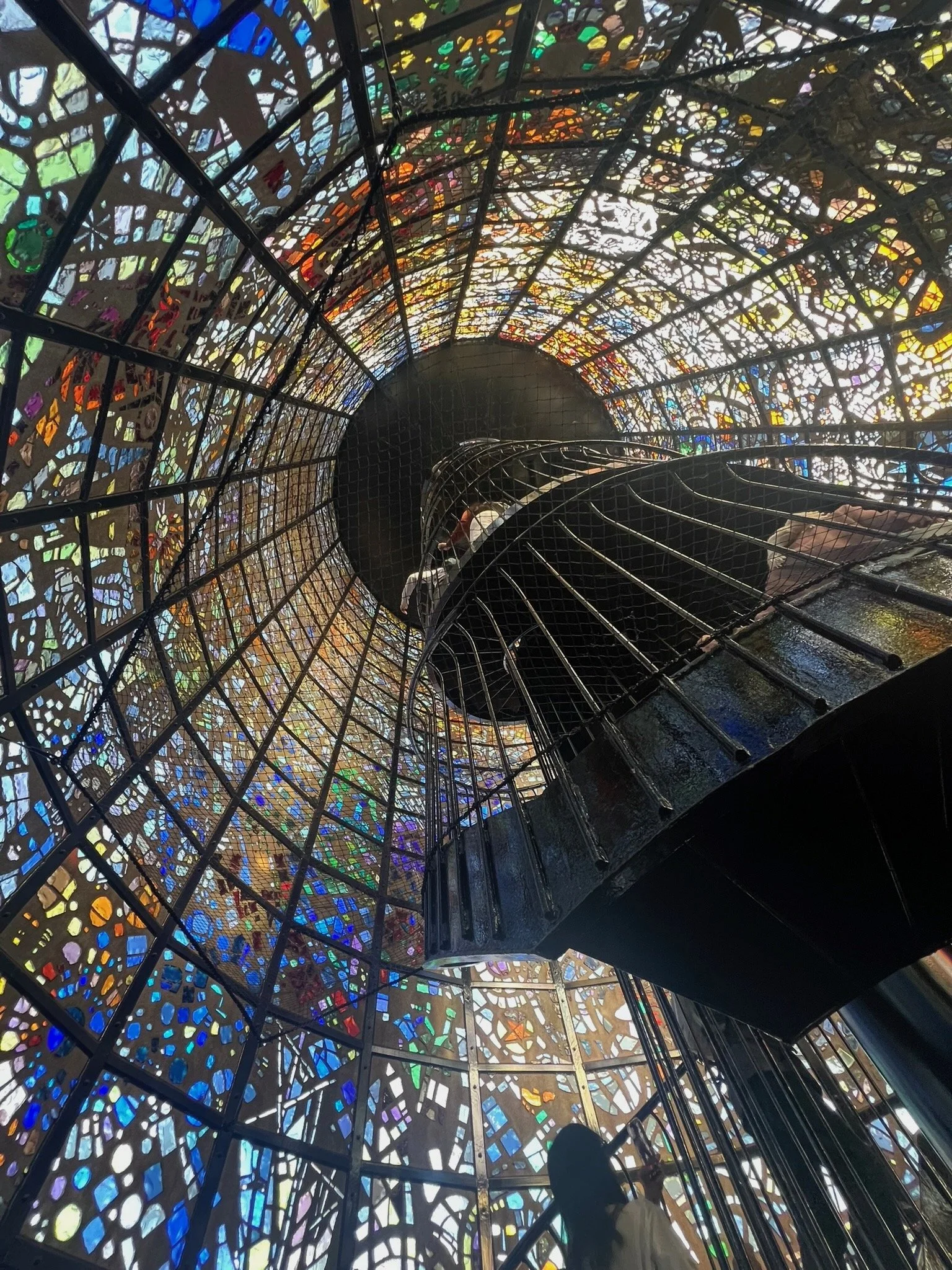
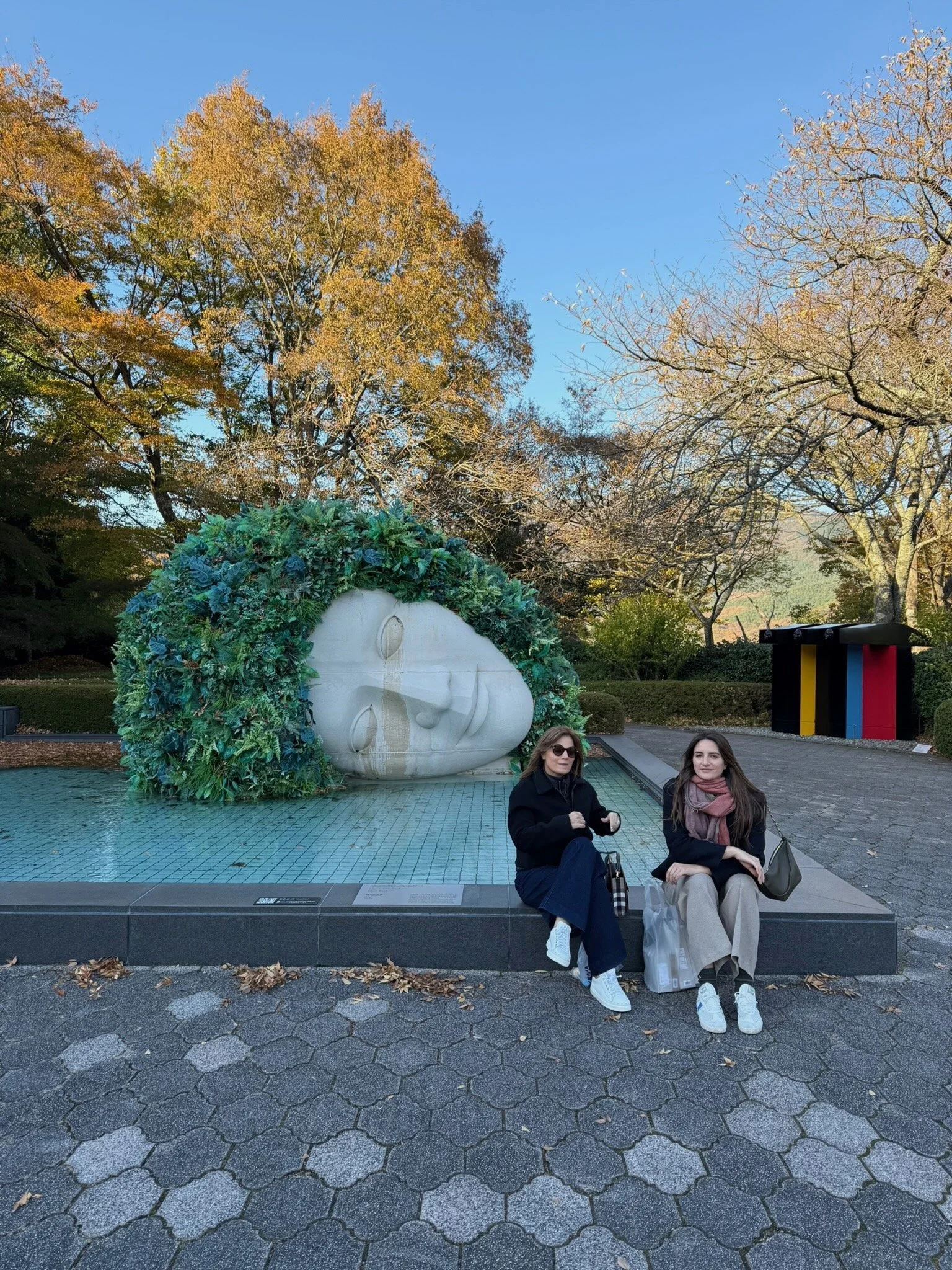
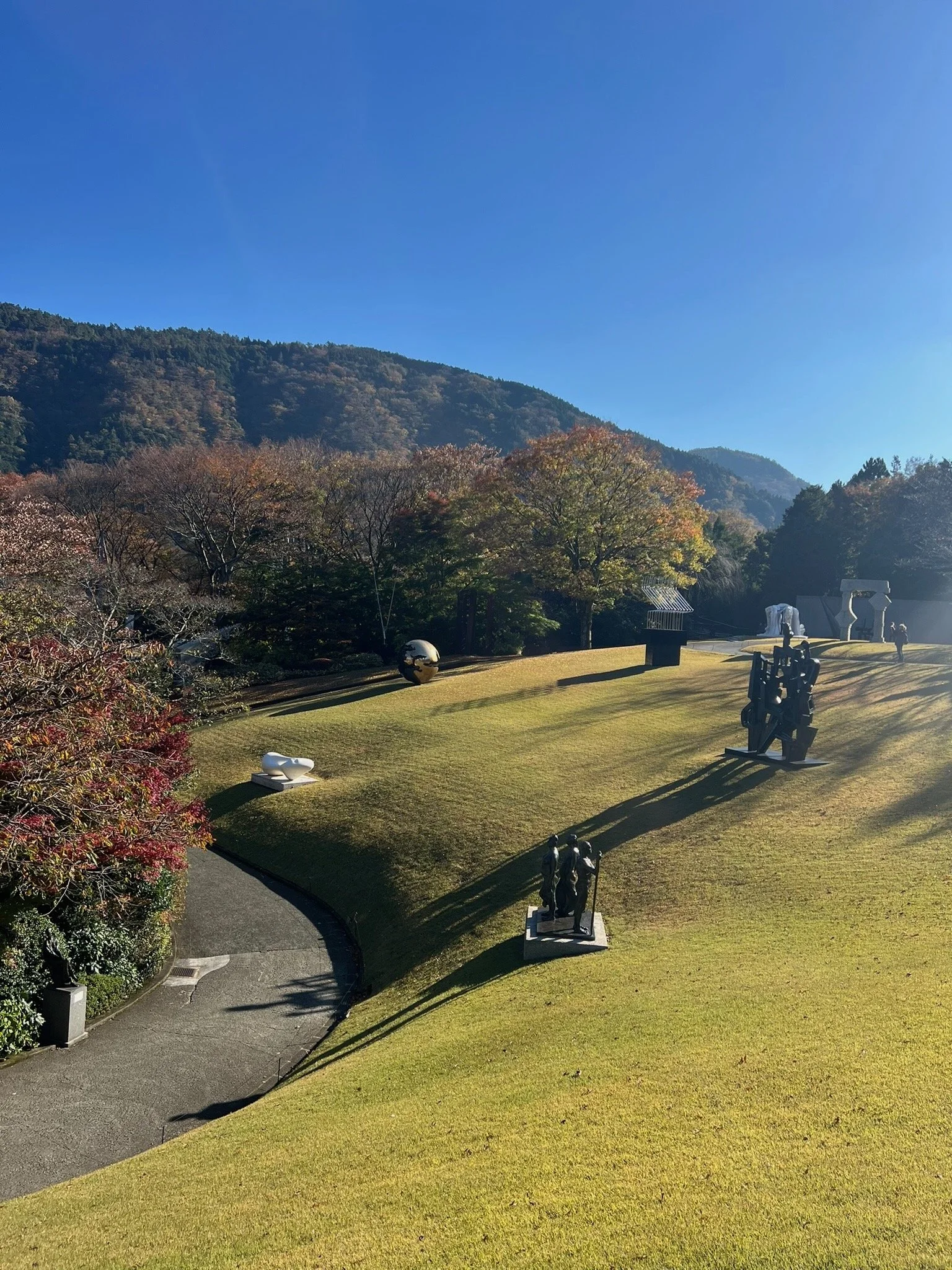
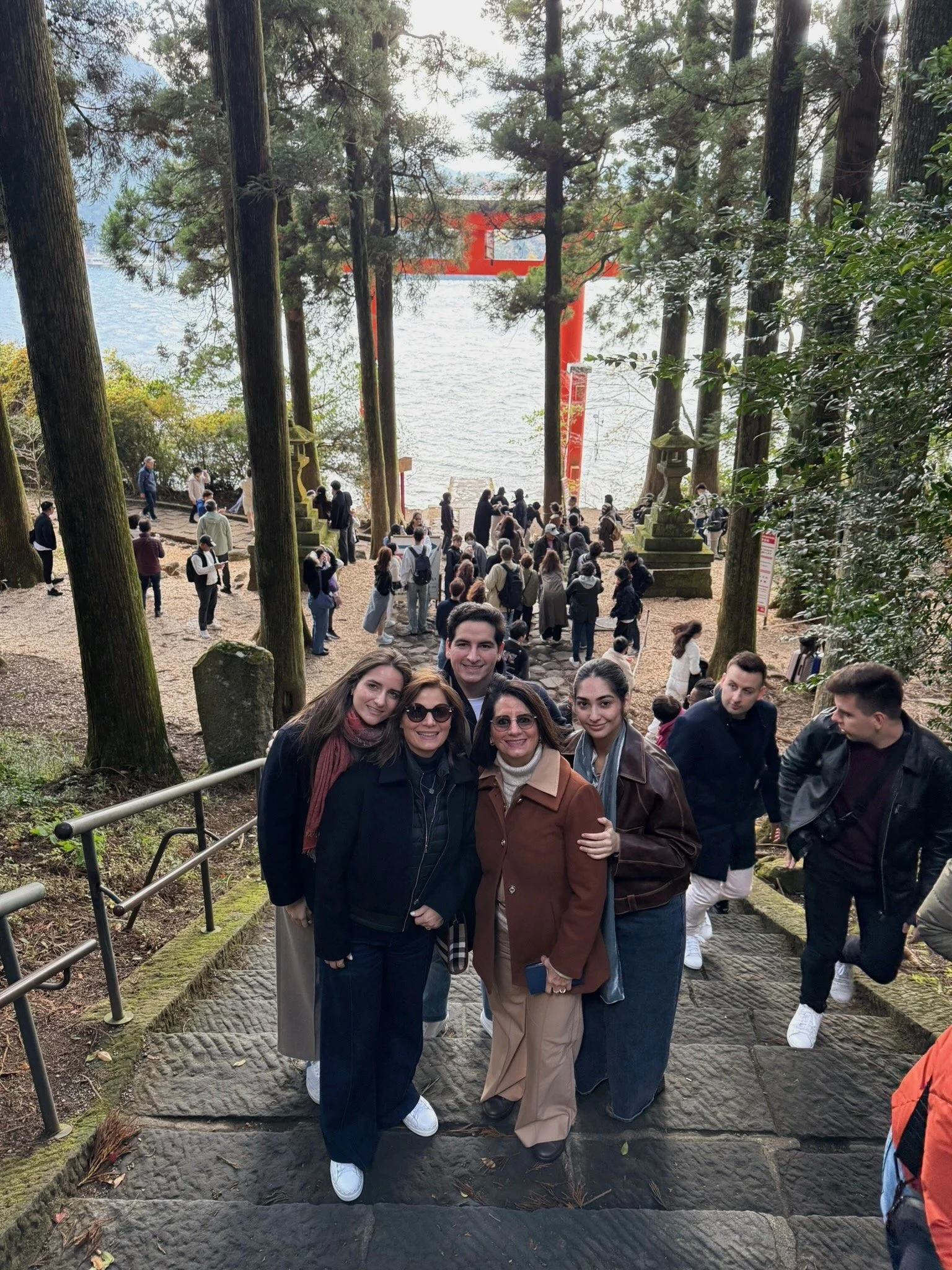
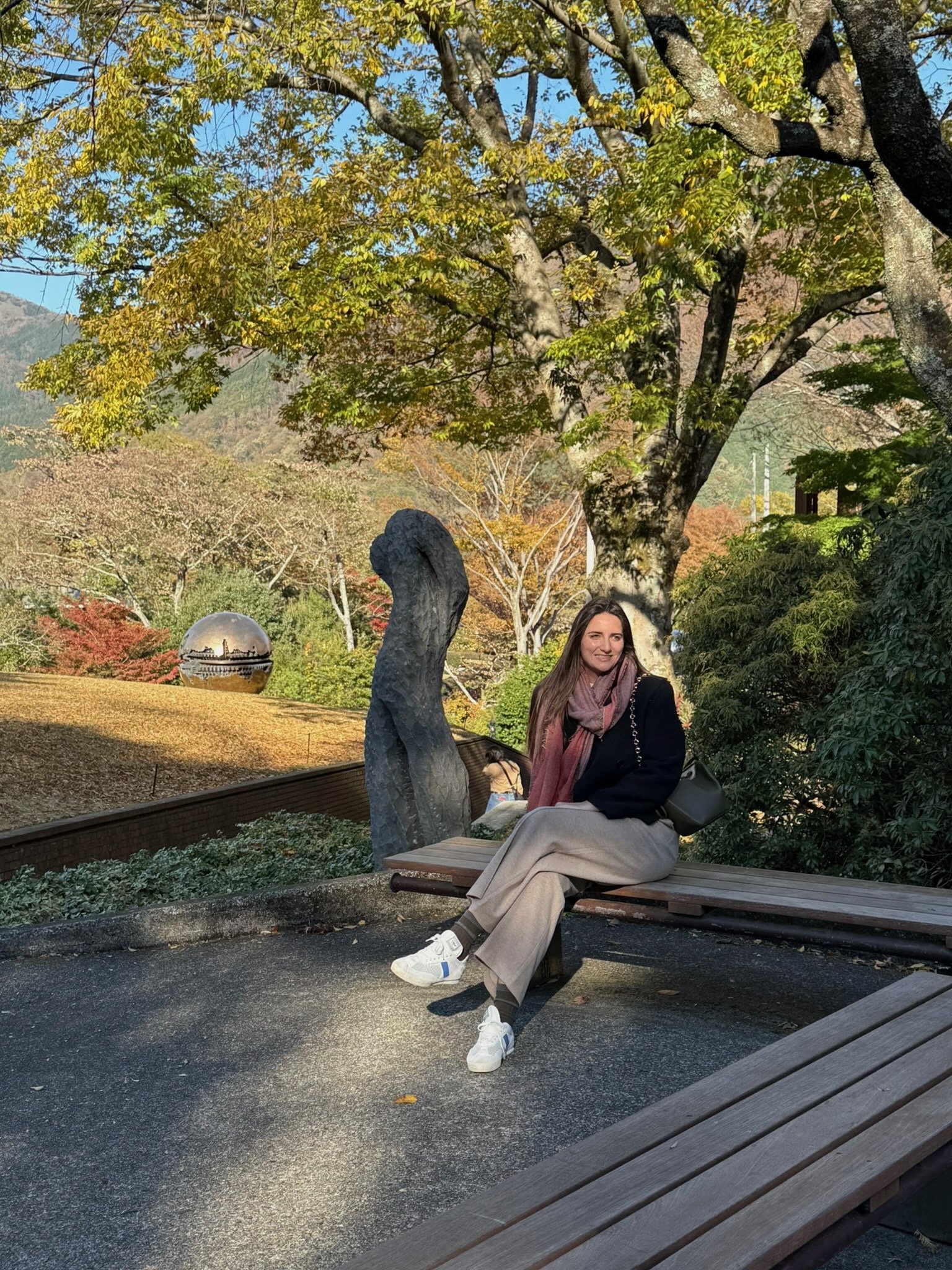
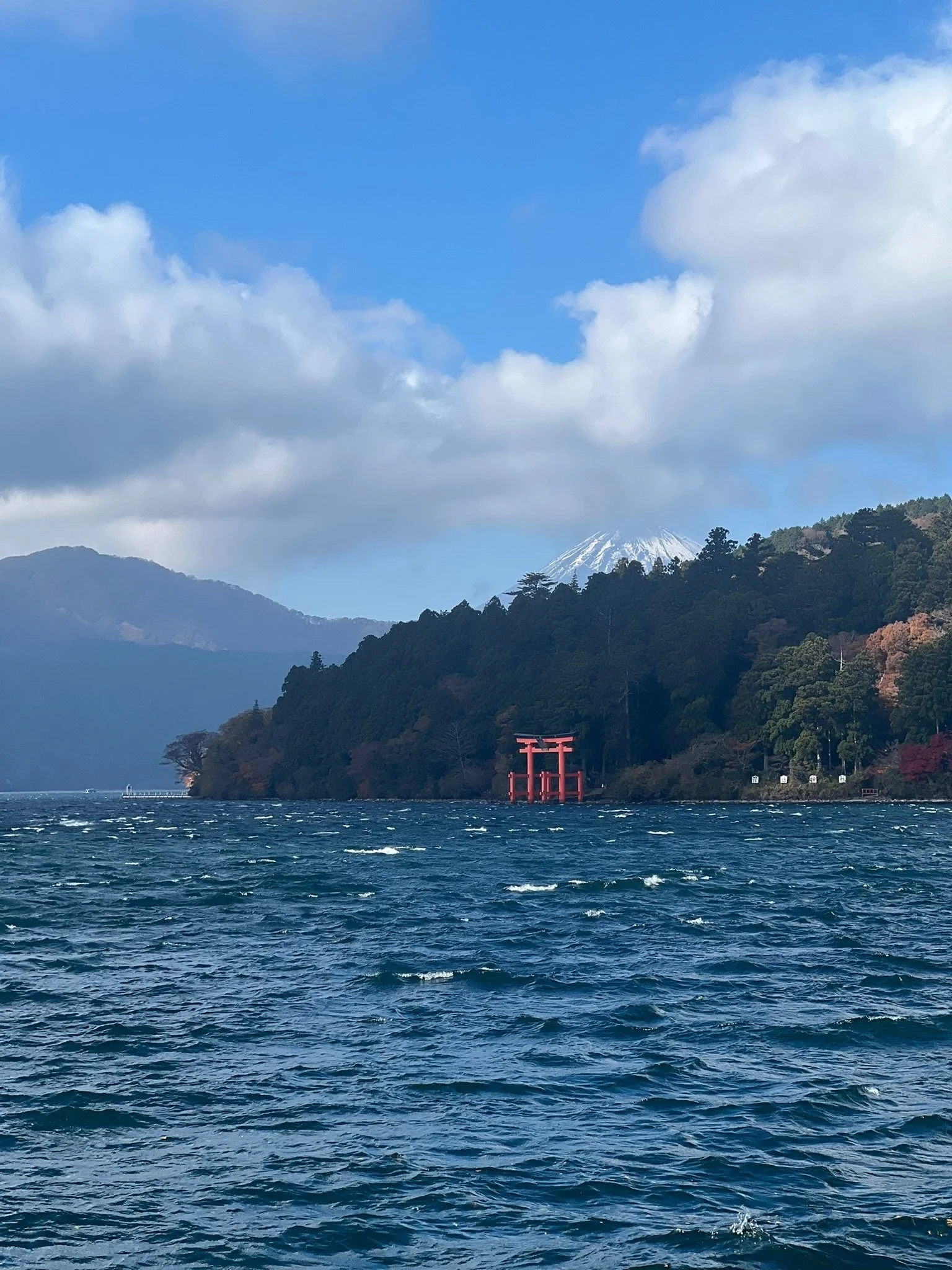
From Tokyo, we took a day trip to Hakone, a mountainous region about ninety minutes away within Fuji-Hakone-Izu National Park. If you want exposure to Japan’s natural scenery and contemporary art without adding extra hotel nights, Hakone is one of the easiest ways to do that.
We were fortunate to see Mount Fuji, which is never guaranteed and depends entirely on weather conditions.
We had lunch at Itoh Dining by Nobu and visited the Hakone Open Air Museum. Large-scale sculptures are installed across the grounds rather than confined to galleries, which changes how you experience the work. It was approachable and easy to enjoy, especially for a group with mixed interests.
Hakone also has hot springs and scenic landscapes, making it a strong option even as a day trip. It packs a lot into a short distance and time frame.
Kanazawa: A City Preserved in Time
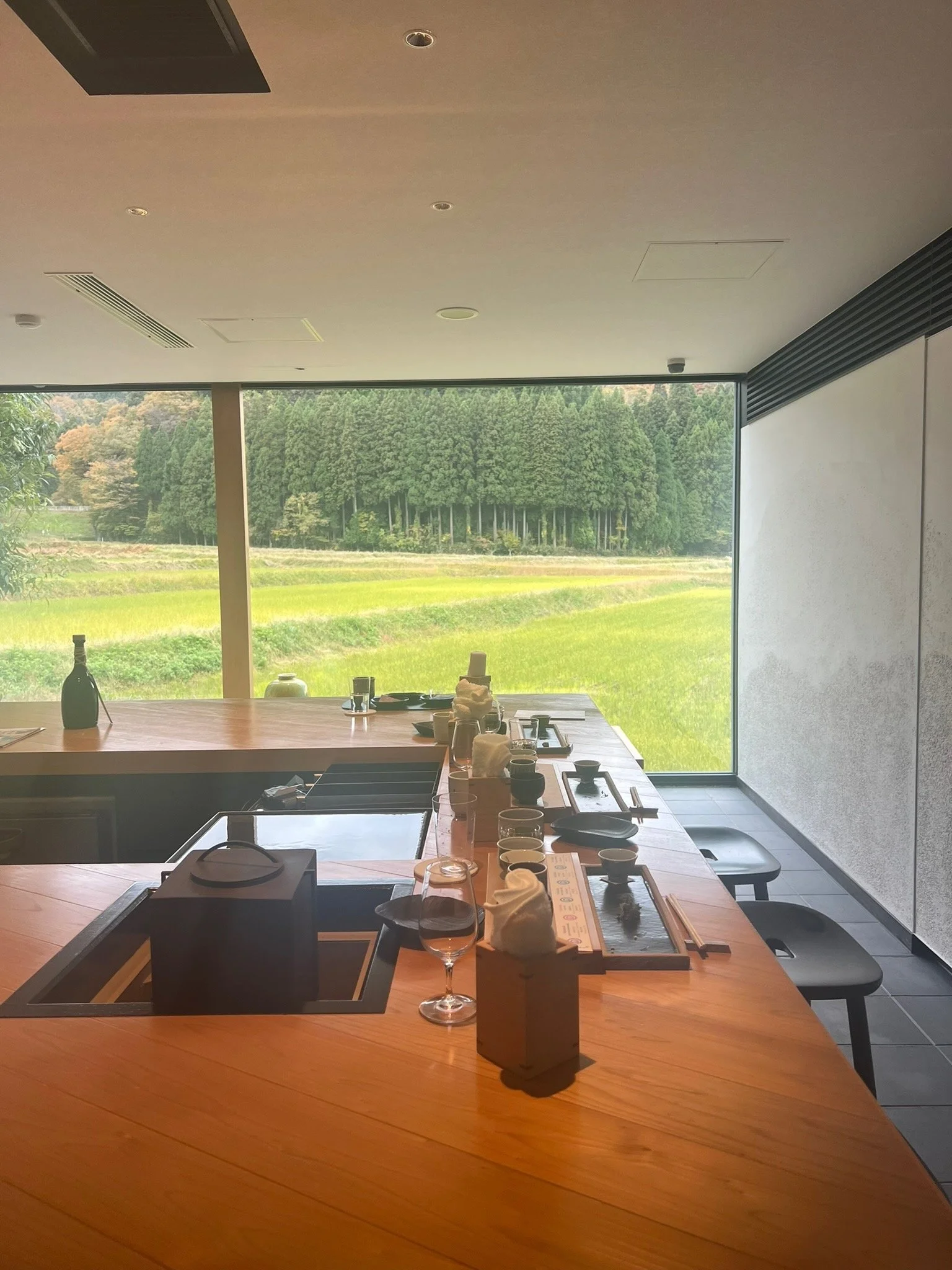
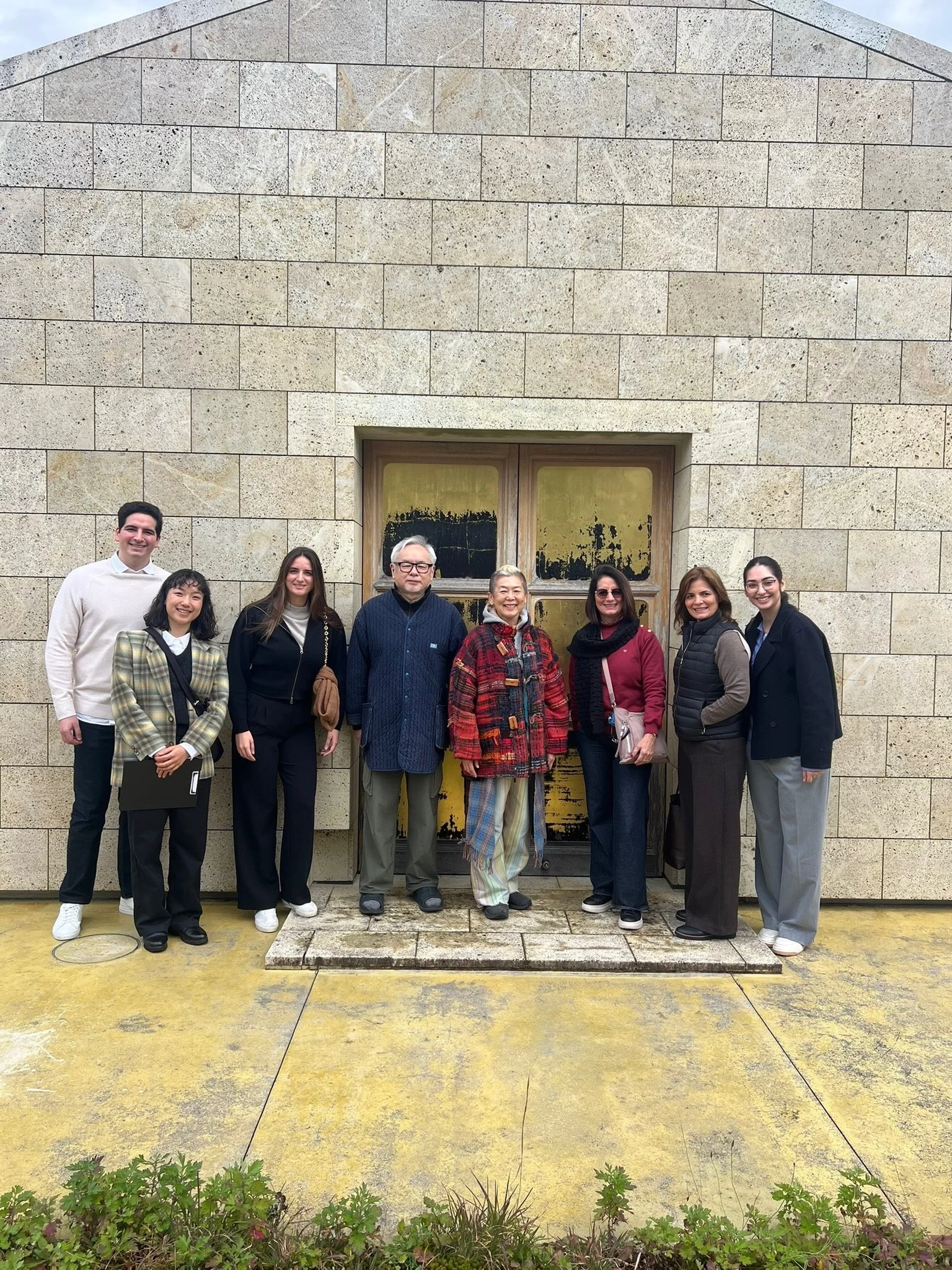
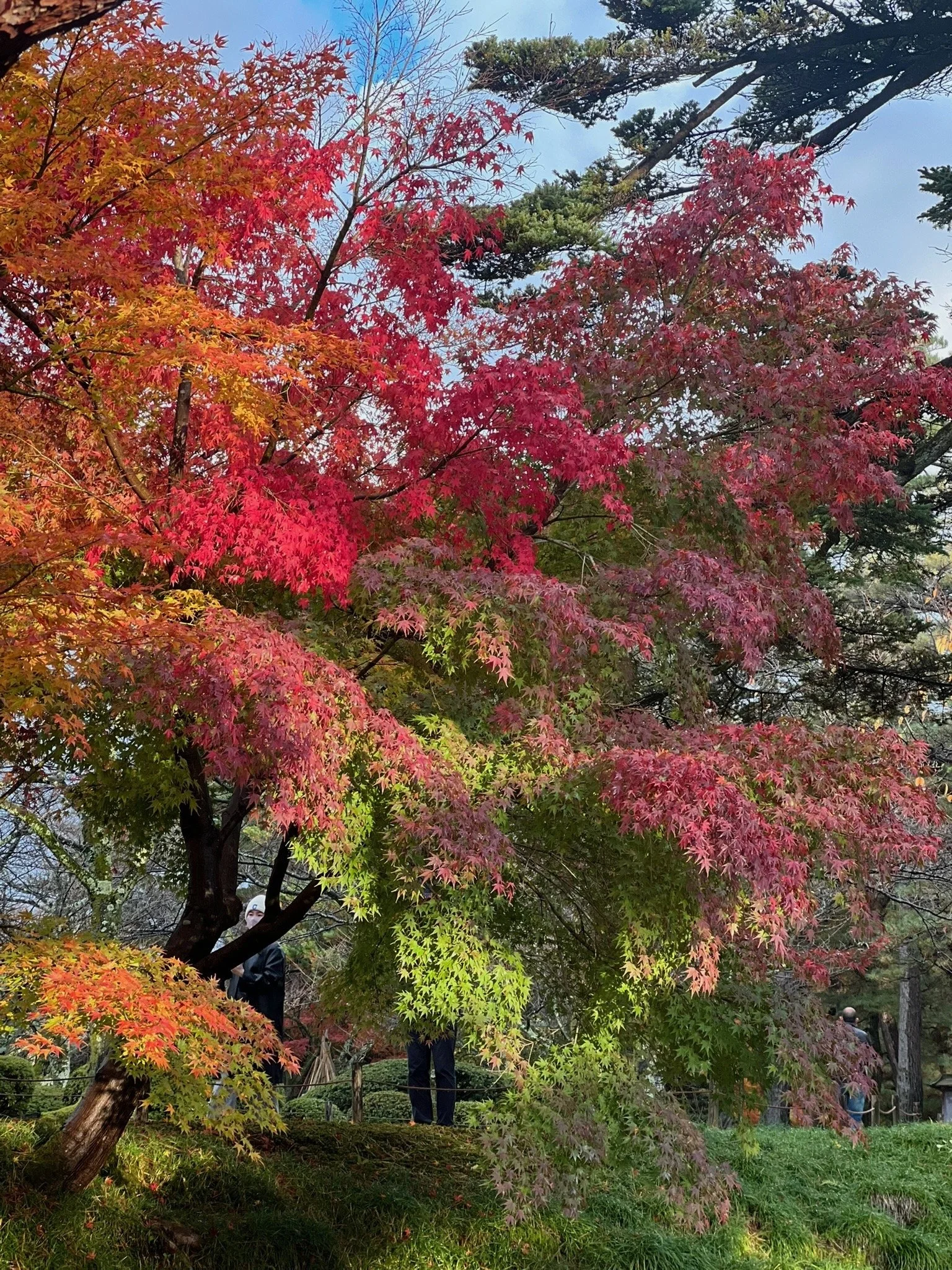
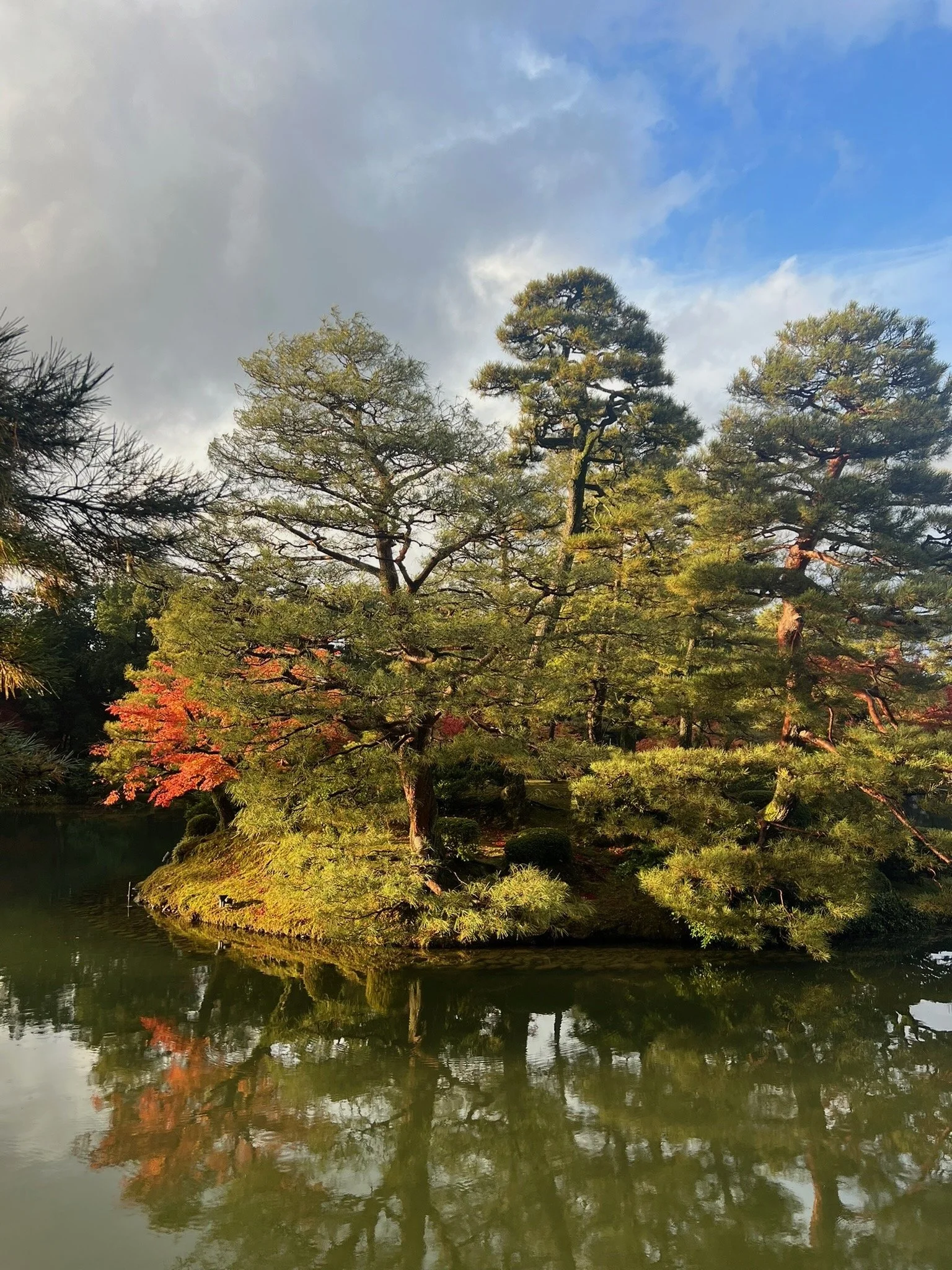
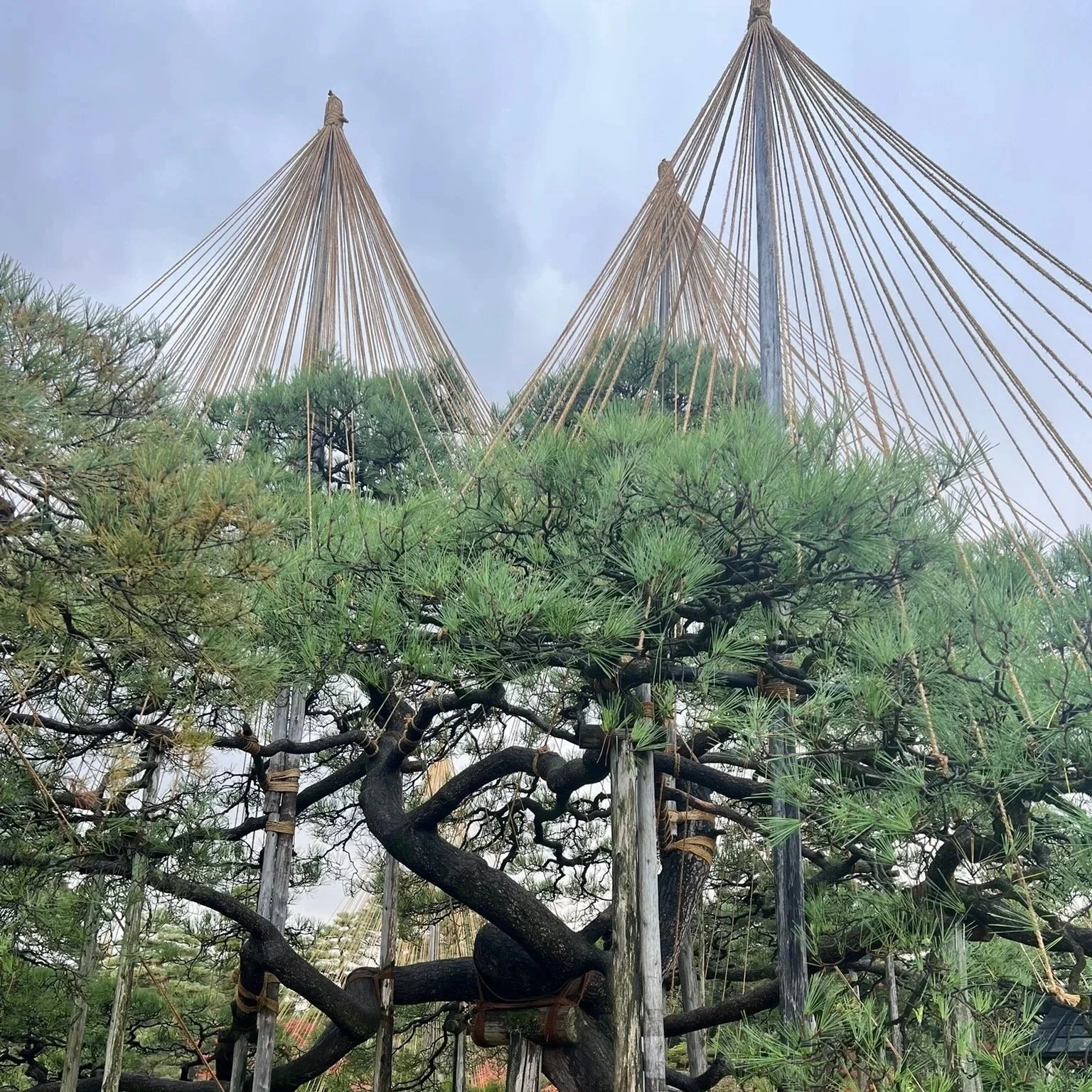
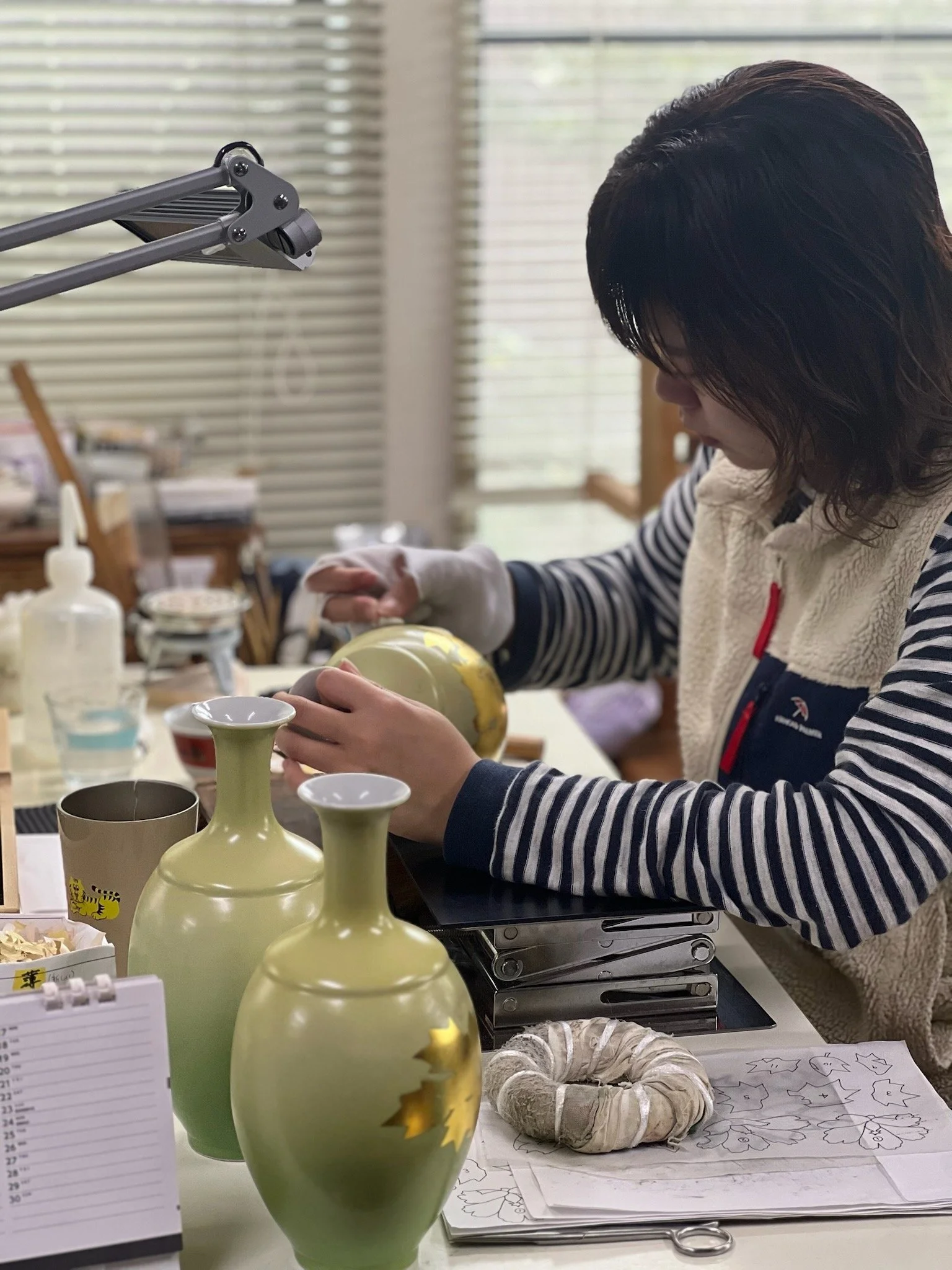
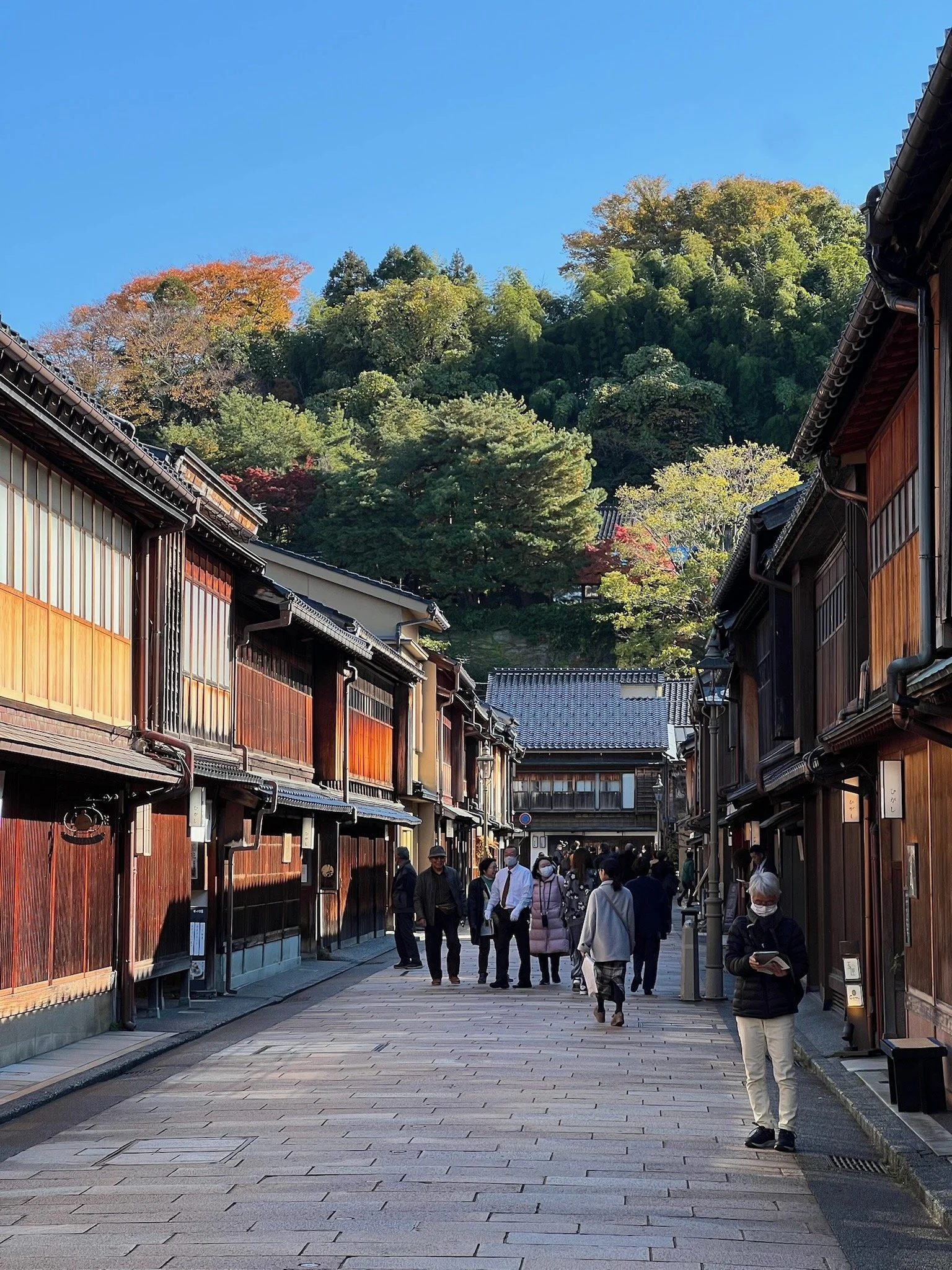
Kanazawa was one of my favorite stops. Unlike many major Japanese cities, it was largely spared from bombing during World War II, which means entire districts remain mostly intact. You are not looking at recreations or postwar interpretations.
Historically, Kanazawa was the seat of the Maeda clan, one of the wealthiest feudal families during the Edo period. Their investment in the arts rather than military expansion turned the city into a center for craftsmanship and decorative arts.
Spending time with gold leaf artisans was a highlight. Kanazawa produces the majority of Japan’s gold leaf, and watching artisans work with sheets so thin they respond to the slightest air movement underscored the precision behind the craft and its architectural and religious uses.
Kanazawa also balances history with modern design. We visited Omicho Market, Kenrokuen Garden, the D.T. Suzuki Museum, and the 21st Century Museum of Contemporary Art. Using Kanazawa as a base made it easy to explore nearby artisan sites and onsen towns.
Kaga Onsen: A Change of Pace
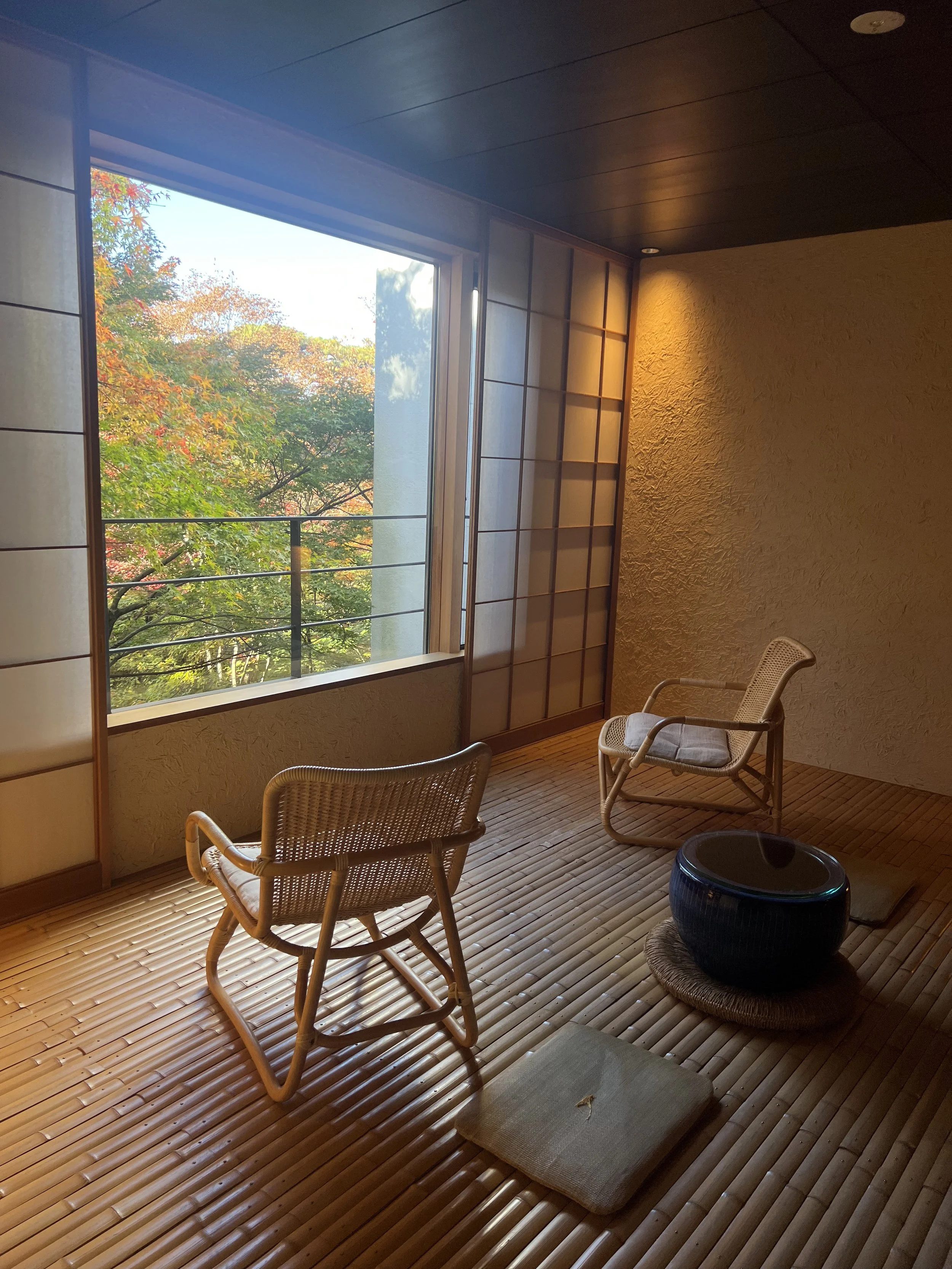
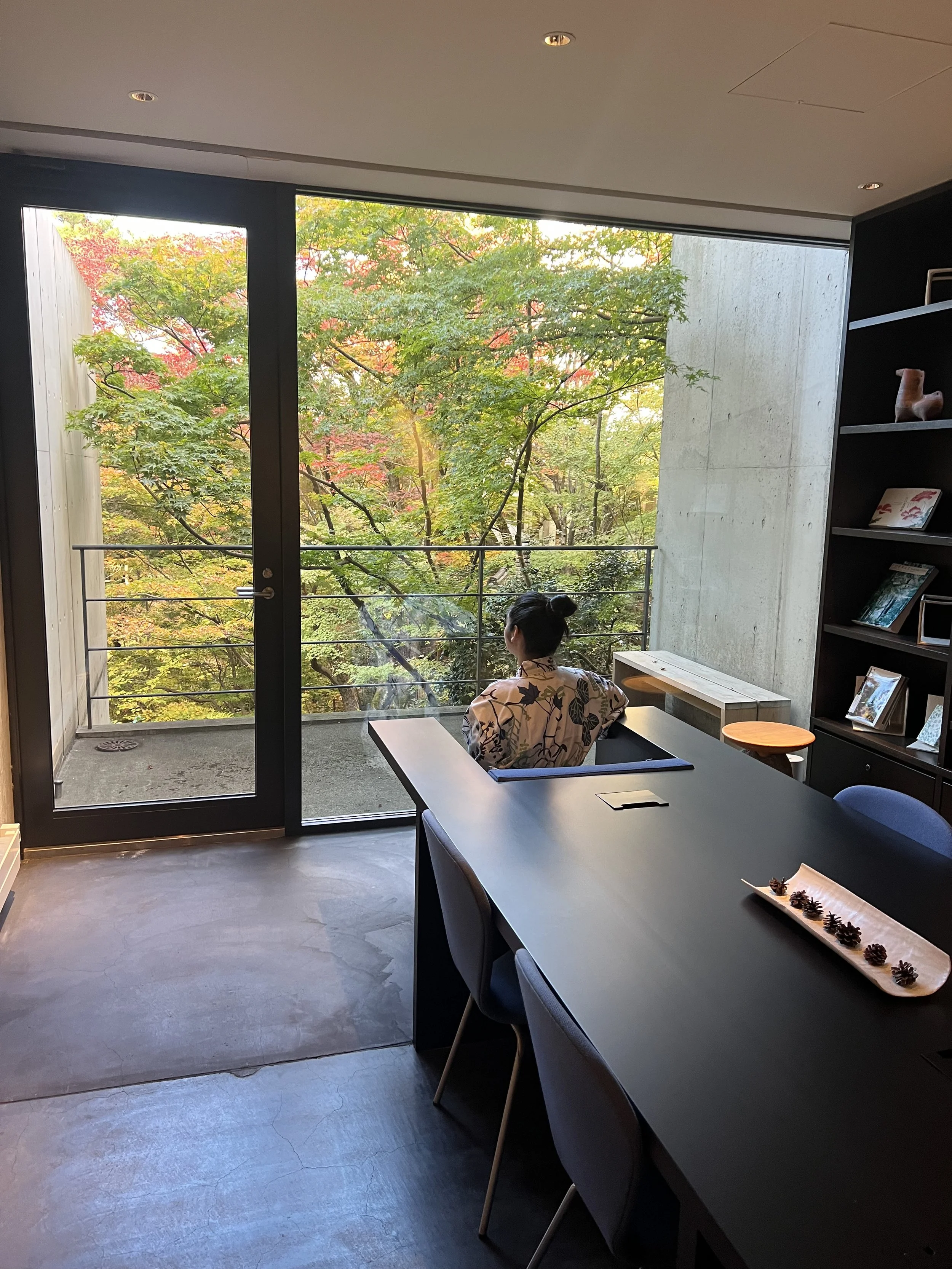
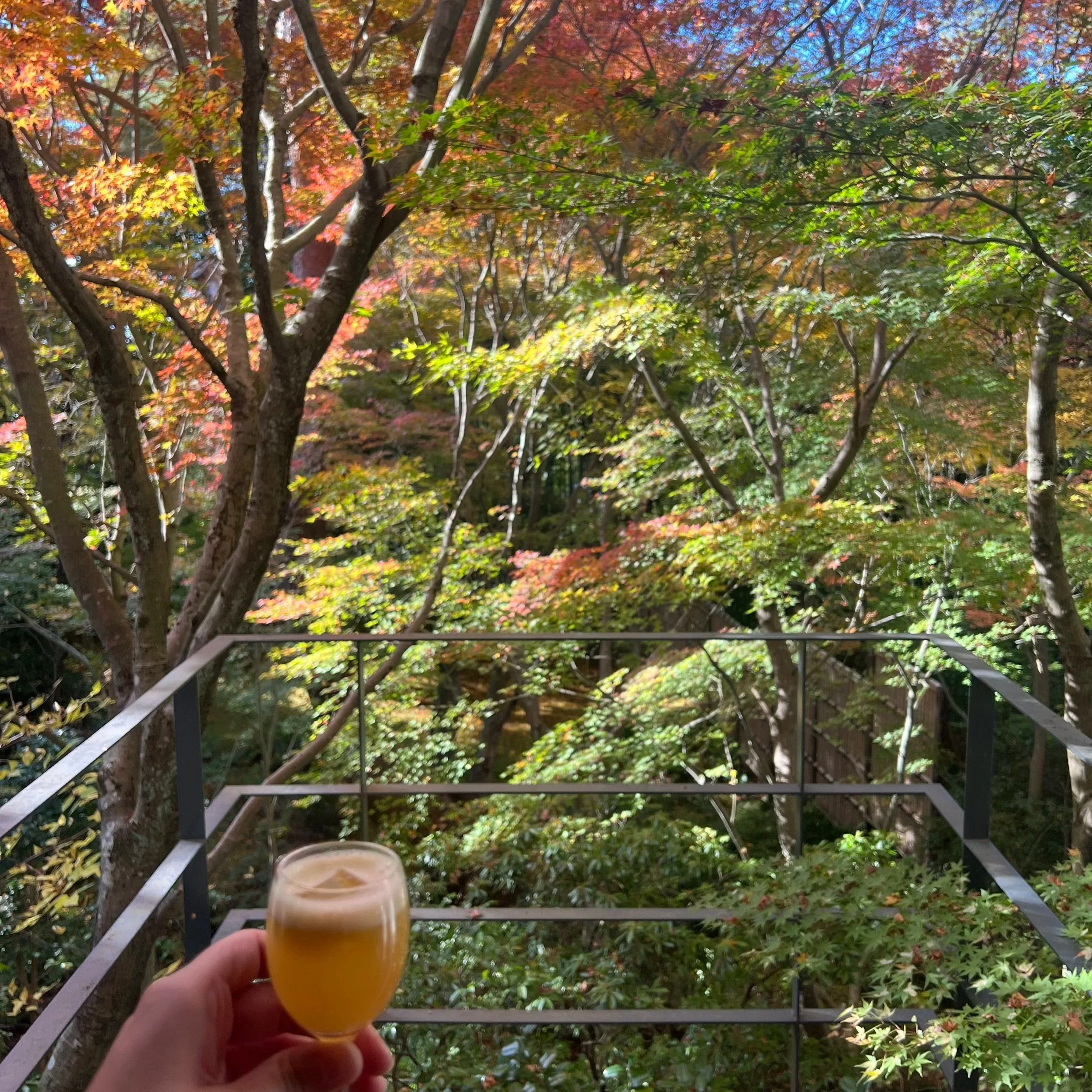
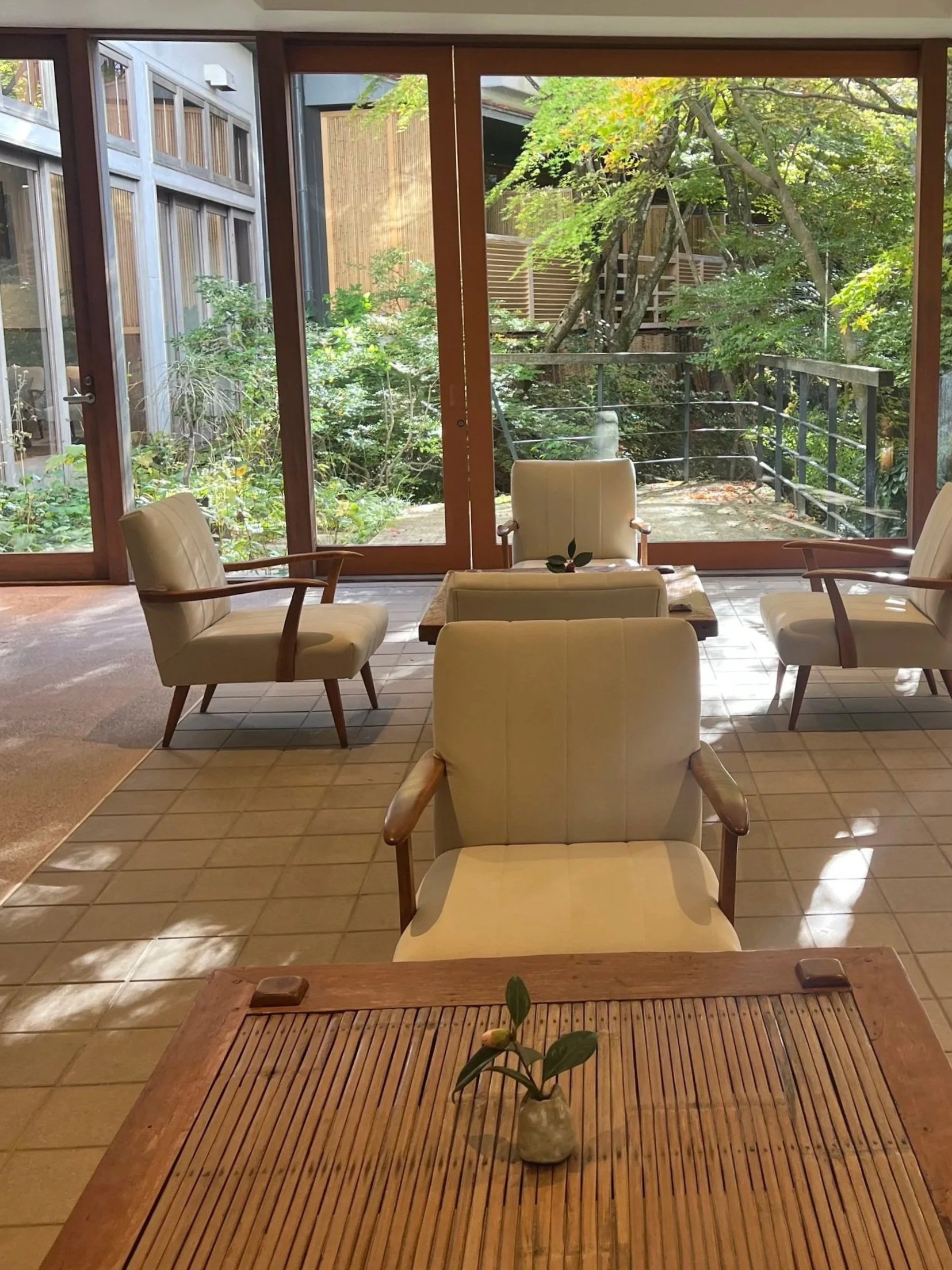
From Kanazawa, we spent one night in Kaga Onsen, a historic hot spring town. We stayed at Beniya Mukayu, about an hour outside the city.
As a ryokan, it is designed around simplicity rather than amenities. Tatami floors, sliding doors, futon bedding, and meals served on property remove the need to plan anything beyond being present. Each room had its own private bath, with public baths also available.
I was initially nervous this stop might feel slow for my family, but its placement within the itinerary made all the difference. One night was enough to experience it fully while maintaining momentum and everyone loved it.
Kyoto and Nara: History With Weight
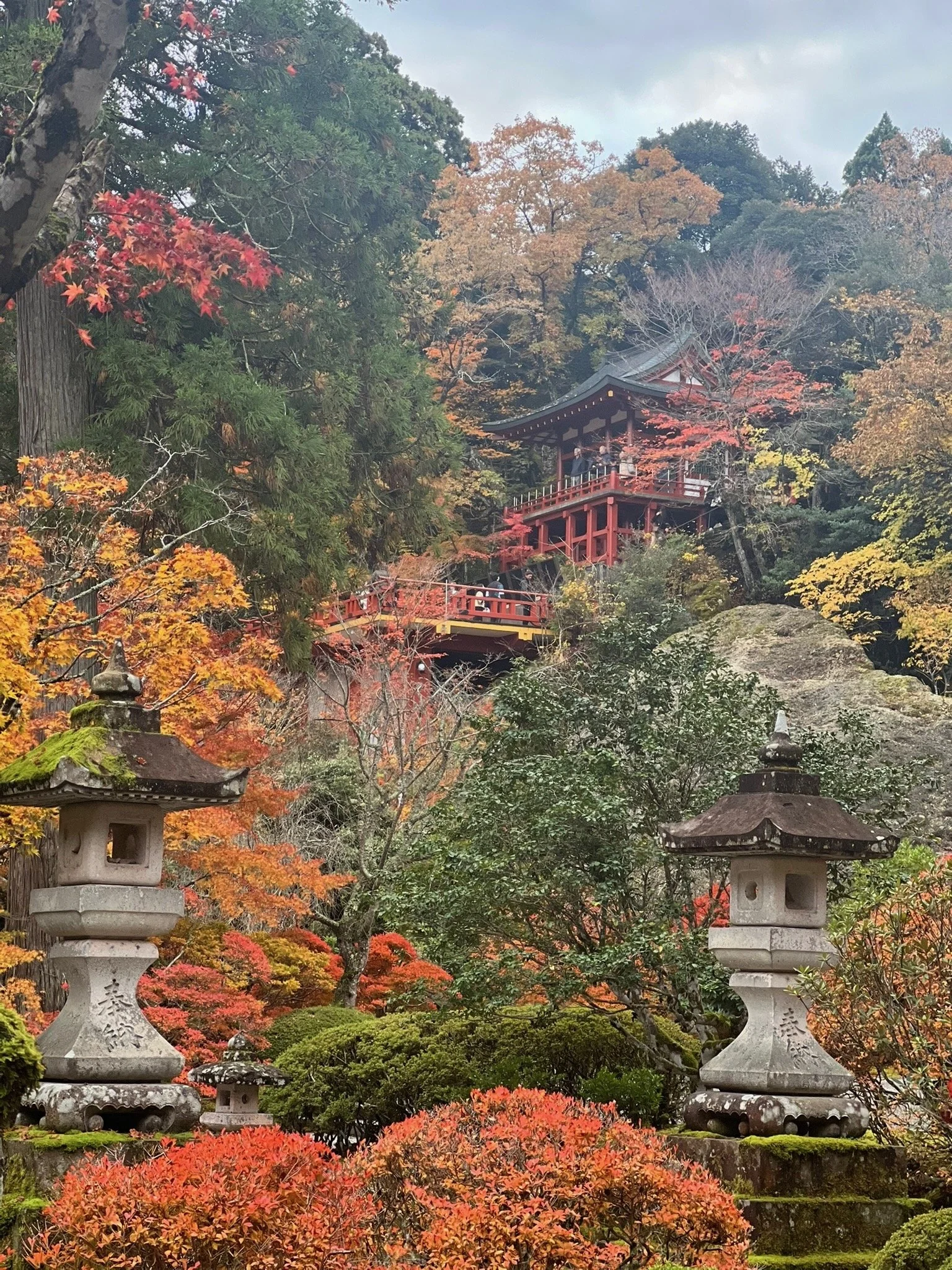
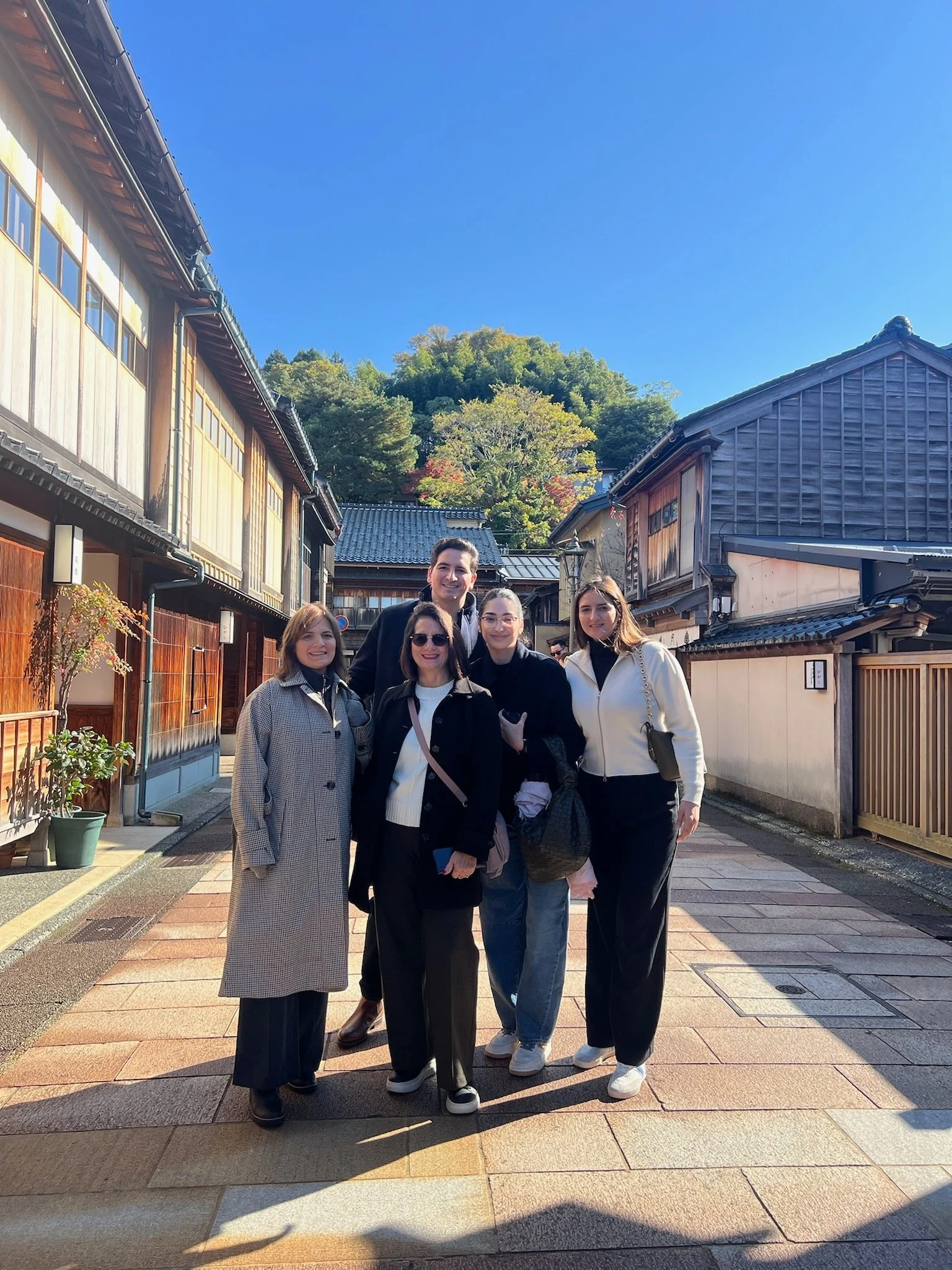
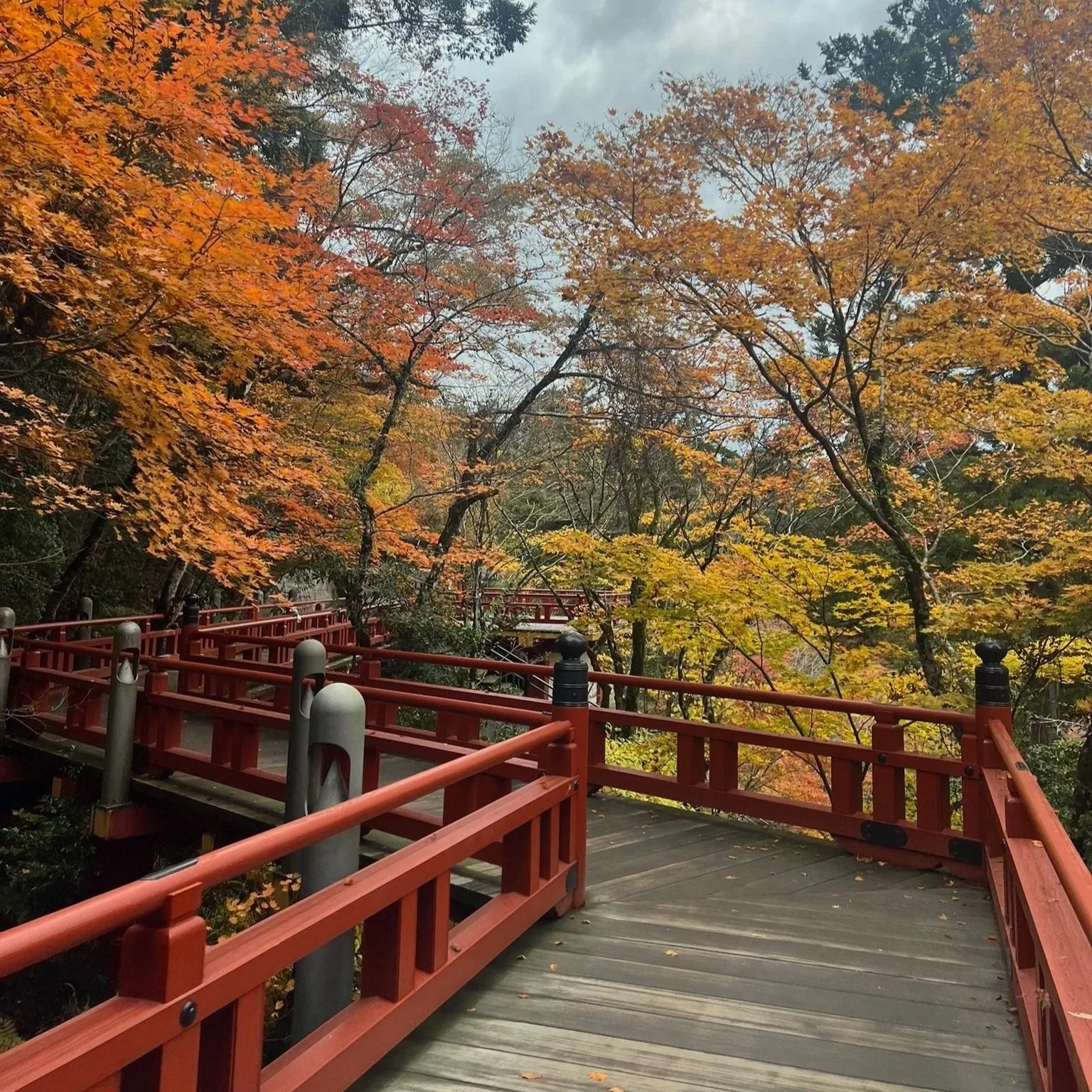
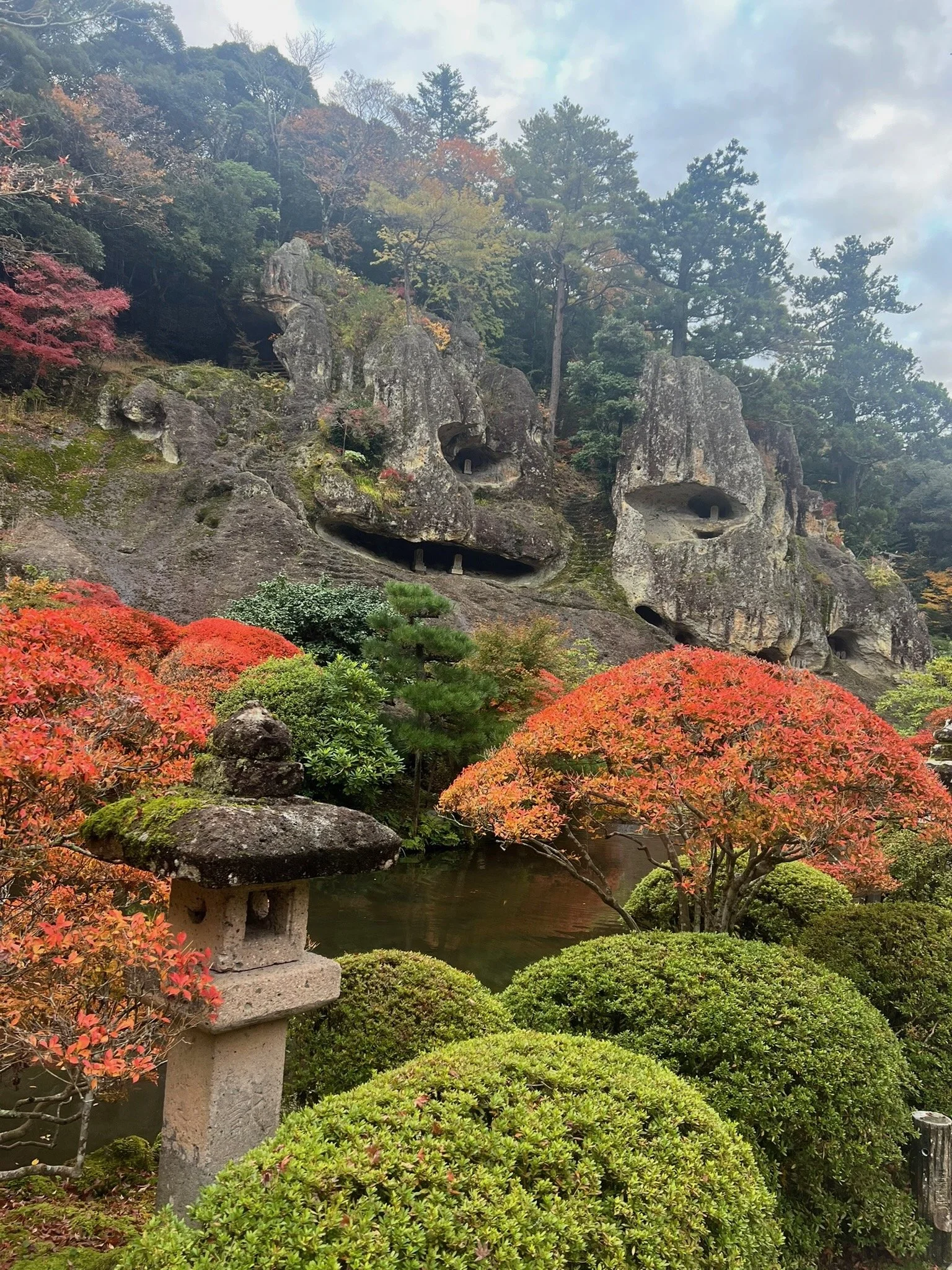
Kyoto is busy, and there is no way around that. Some iconic sites, including the Golden Pavilion and Arashiyama, felt more observational than immersive for me.
What worked best was historical context. Nijo Castle, built in the early 17th century, served as the residence of the Tokugawa shoguns and later became the site where power was formally returned to the emperor in 1867. It adds clarity to Kyoto’s role as a former center of power.
We also visited Fushimi Inari, Kiyomizudera, and walked through Gion. A private samurai lesson, arranged as a surprise for my brother’s birthday, added a physical dimension to what we had been seeing and was tremendous fun for everyone.
I loved Nara. As Japan’s first permanent capital, it holds some of the country’s most significant Buddhist sites. Todai-ji Temple and the Great Buddha are overwhelming in scale. While the deer draw attention, the temple itself to me is the reason to visit.
Naoshima: Japan Looking Forward
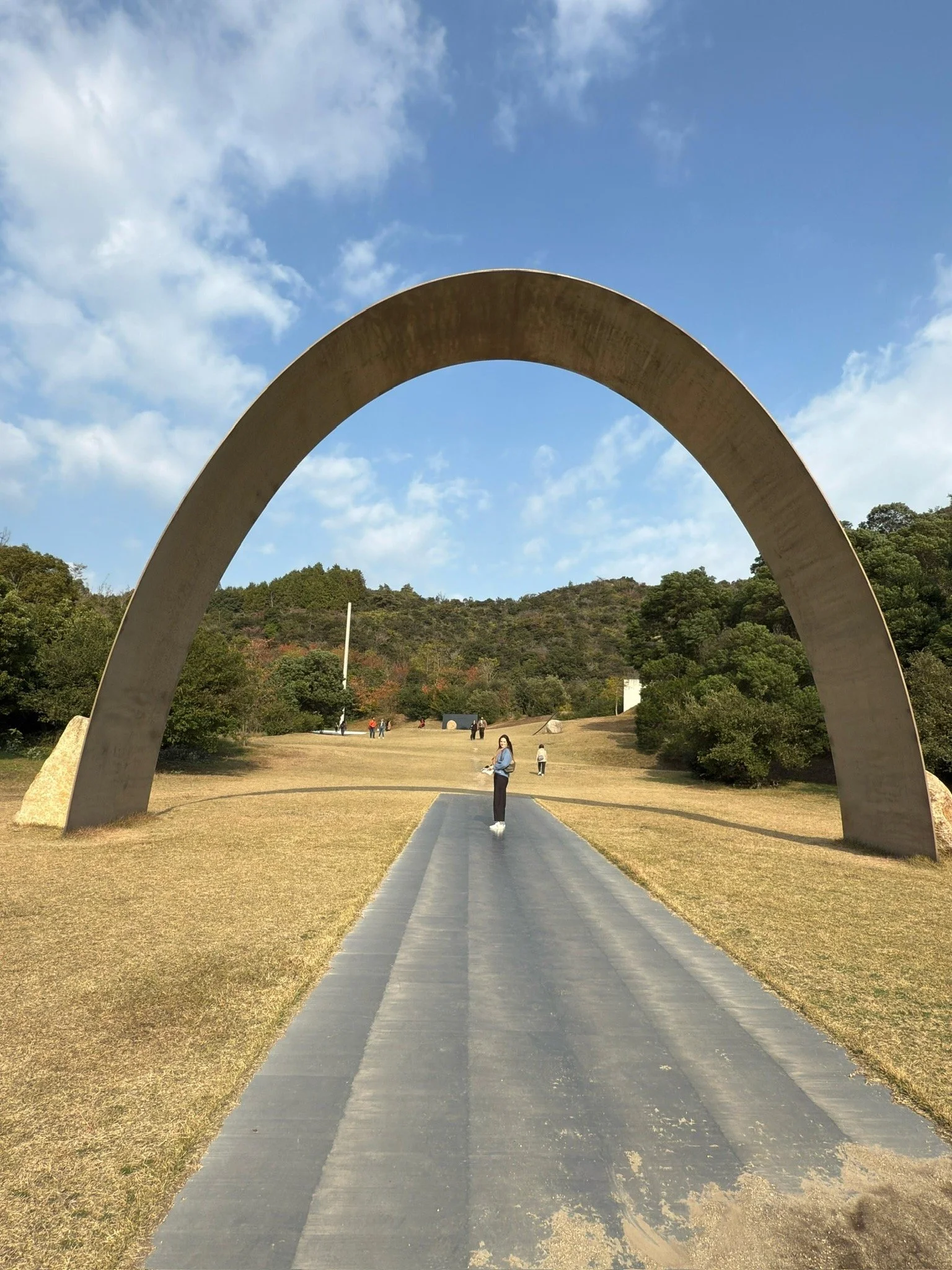
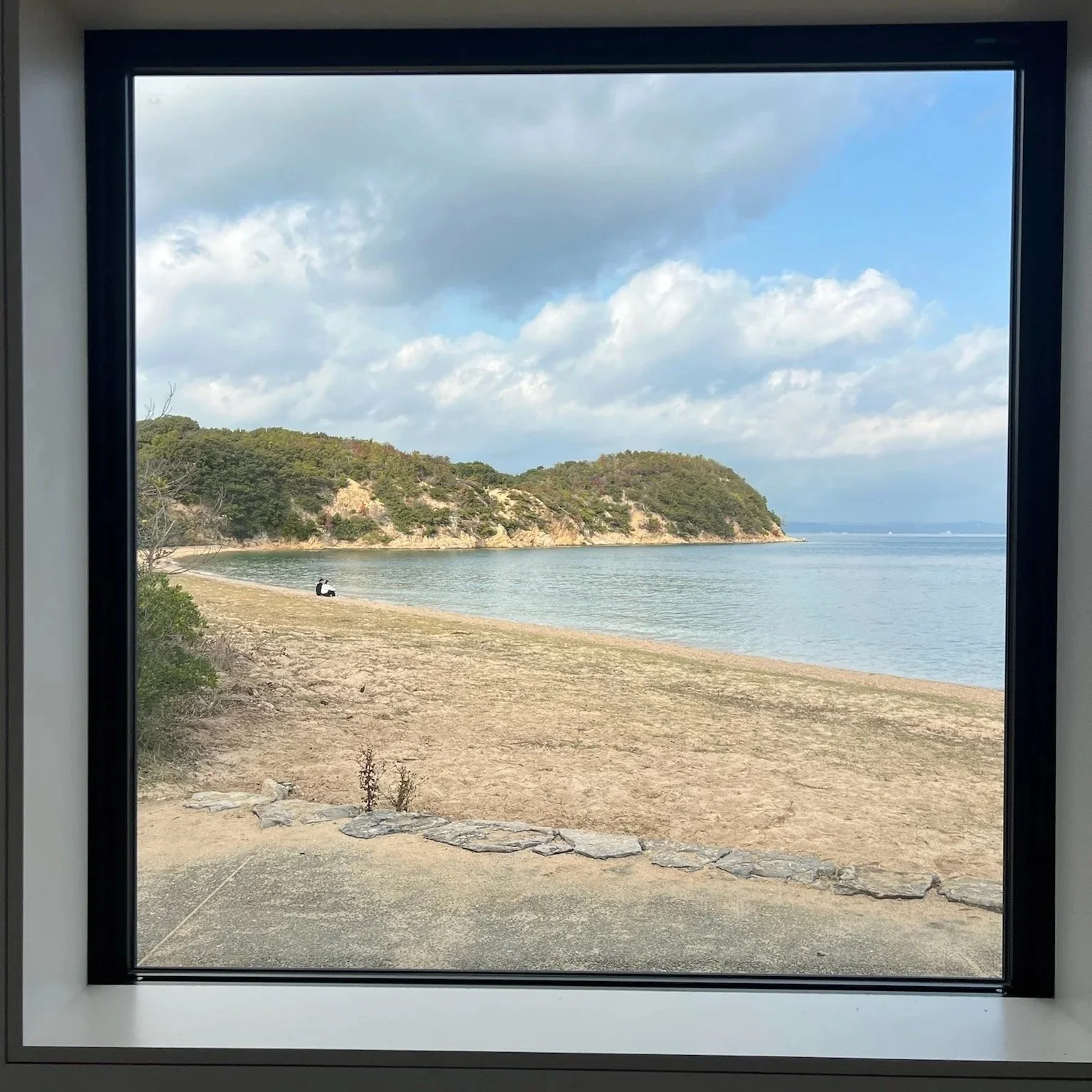
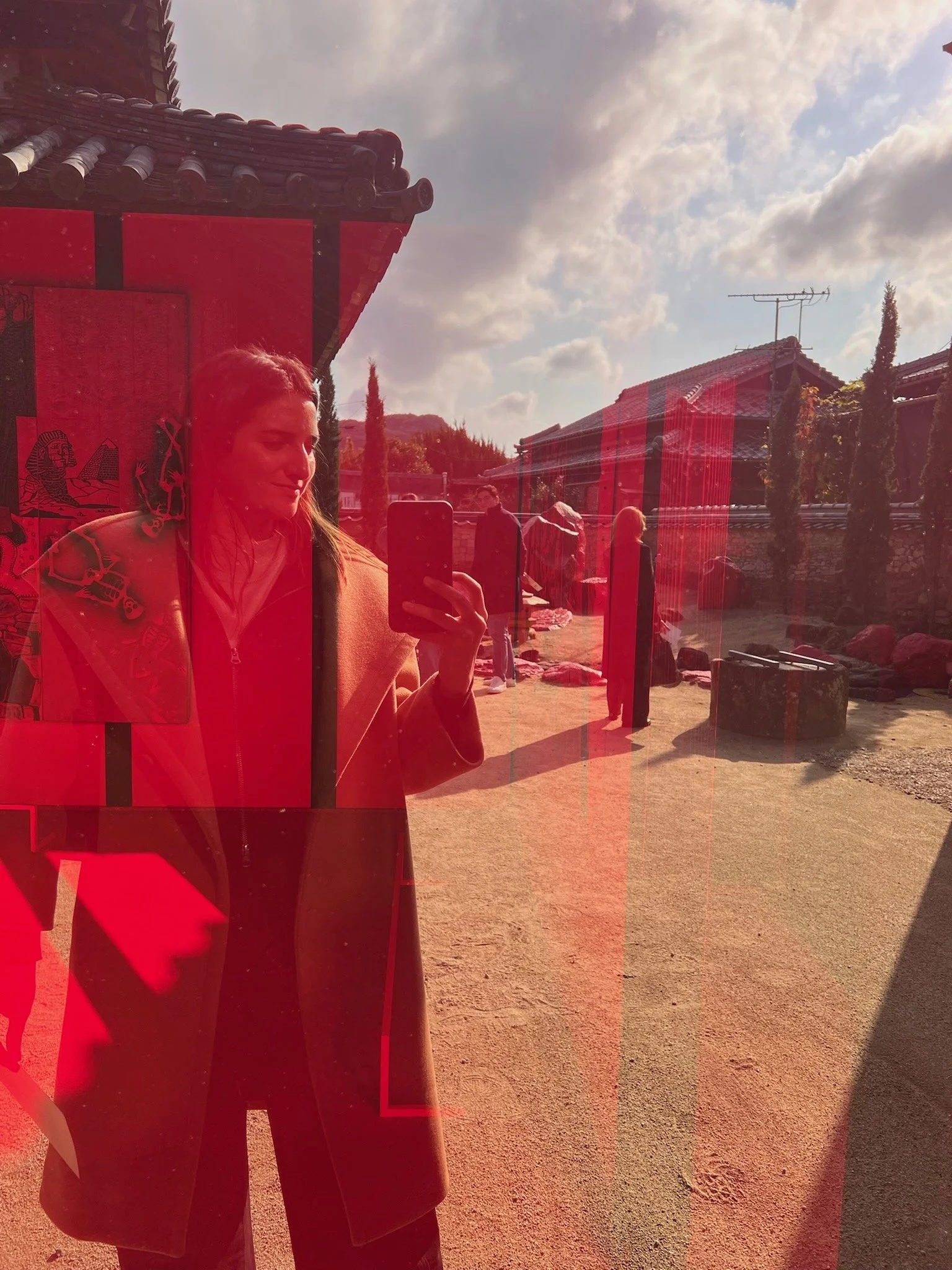
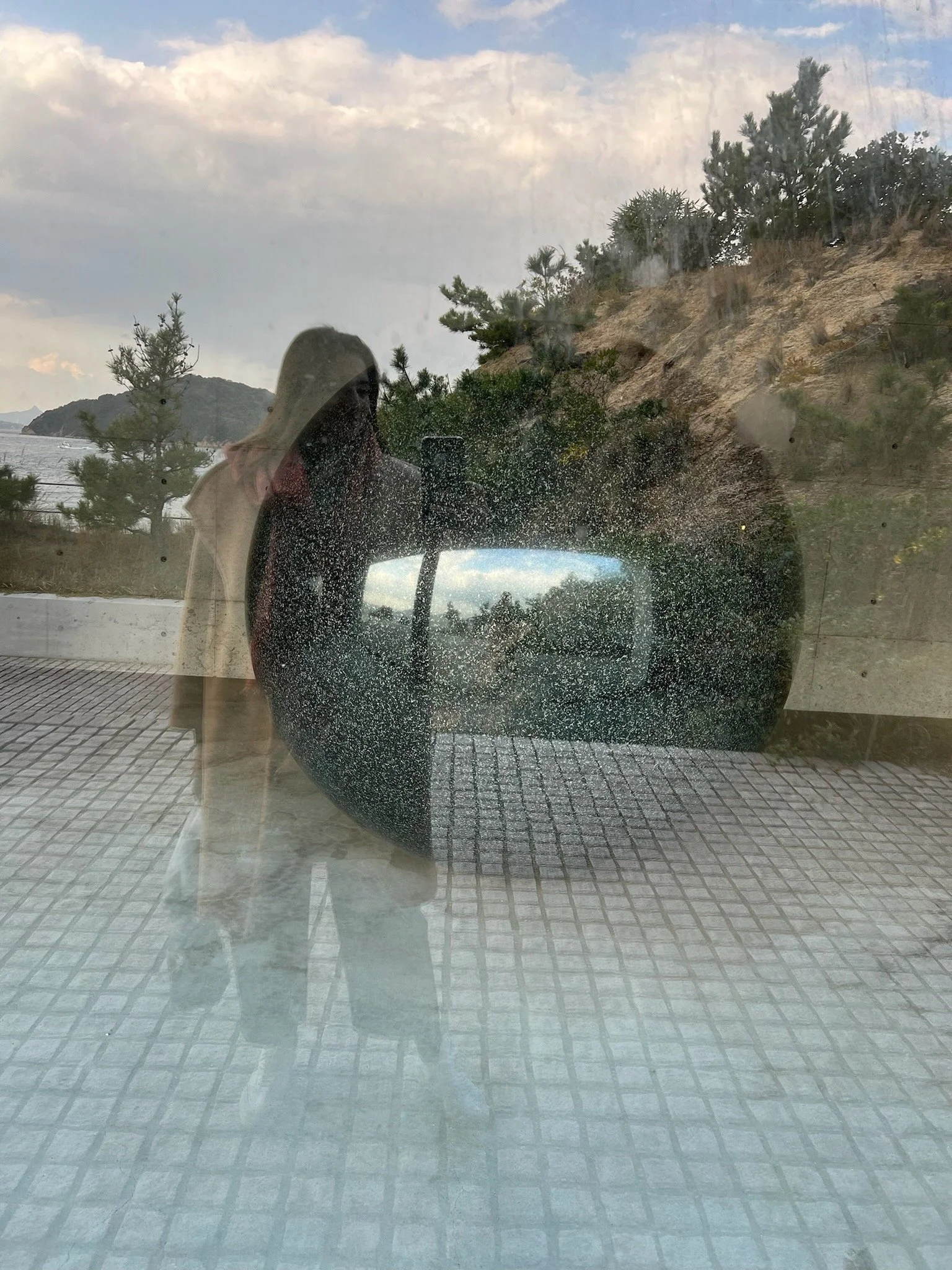
Naoshima is a small island in the Seto Inland Sea that has been reimagined as a destination centered on contemporary art and architecture, largely through the work of the Benesse Foundation and architect Tadao Ando.
Getting there requires commitment. From Kyoto, it involves a bullet train, ferry transfers, and limited transportation on the island. Accommodations are scarce and often booked many months if not a year in advance.
But for those interested in art, design, or architecture, Naoshima offers something rare: Museums by Tadao Ando house works by artists including James Turrell and Claude Monet, with photography often restricted. The focus is on experiencing space and you are surrounded by fellow design lovers.
Naoshima is not for everyone. But for travelers interested in how art and design can reshape a place, it is a very compelling way to end the trip.
Final Thoughts
Plan around interests, not landmarks
Fall is a strong alternative to the cherry blossom season
Balance experiences with temples and open time
Expect Japan to meet you on its terms
Plan a lot earlier than you think
Give yourself enough time
If Japan is on your radar and you want help planning a trip around your interests, don’t hesitate to contact us. We’d love to help you curate the perfect route for you and your family.